Almería
Sun-soaked beaches, lunar desert scenery, coastal hikes, historic fortress views, film-set charm and fresh Mediterranean cuisine.
Important things to know about Almería
Almería sits on the southeastern edge of Andalusia like a sunlit secret, a city where the Mediterranean breath shapes both landscape and lifestyle. Visitors arriving by train, car, or the regional airport often comment on the peculiar clarity of light that makes pale stone glow and the sea look like polished glass. One can find narrow, whitewashed streets in the historic centre, wide promenades along the Costa de Almería, and a quieter pace than Spain’s more touristic hotspots. From on-the-ground visits and years researching Andalusian culture, I’ve observed how historic layers-Phoenician traders, Roman roads, Moorish gardens-leave traces in urban texture and cuisine. Why do travelers return? Perhaps it is the juxtaposition of an austere, almost lunar coastline with lively tapas bars where fishermen and locals exchange the day’s catch; perhaps it is the sense that Almería is still, in many ways, an authentic Mediterranean discovery rather than a theme-park destination.
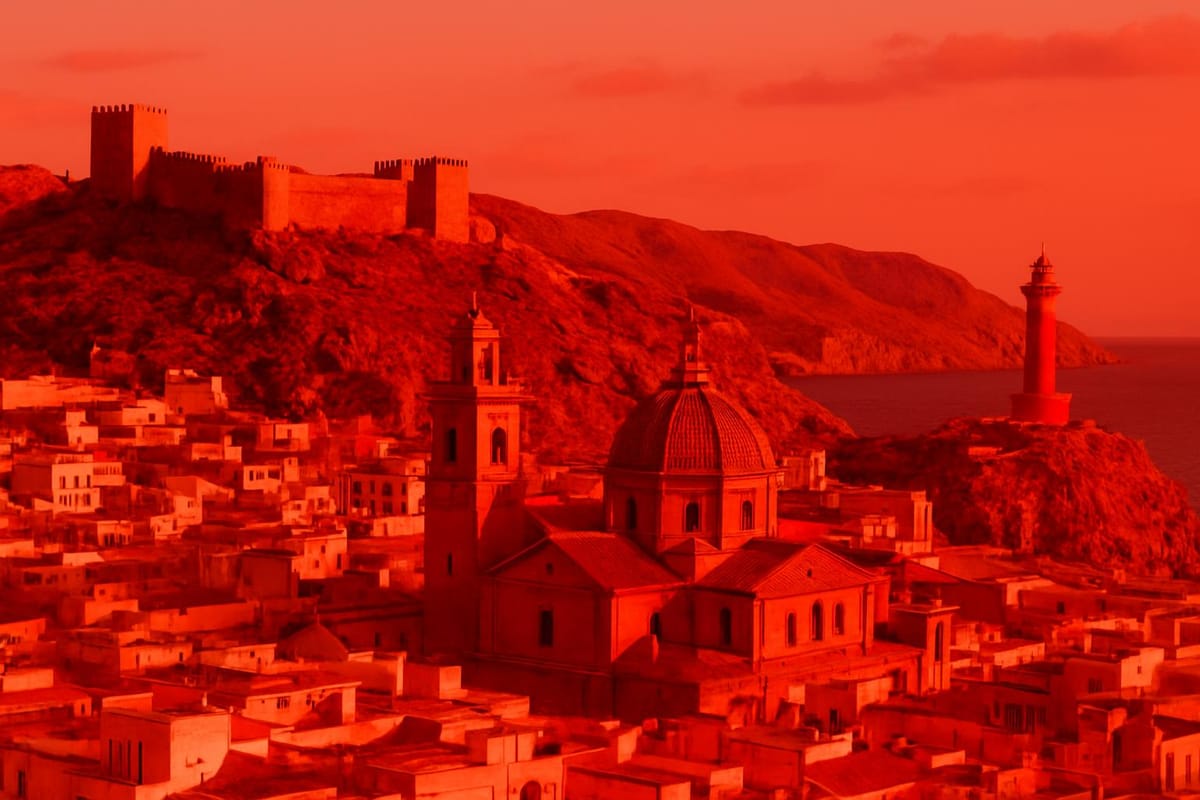
History and heritage are tangible here. The imposing walls of the Alcazaba, a fortress originally built in the 10th century, dominate the skyline and provide panoramic views of bay and orchards; its battlements and cisterns tell a story of medieval frontier life. Nearby stands the Almería Cathedral, a 16th-century structure with fortress-like features designed to repel pirate raids-an architectural detail that surprises first-time visitors and speaks to the city’s strategic past. Museums, small galleries, and the Mercado Central offer context: archaeological finds, regional artisanal crafts, and the freshness of the catch of the day. I recommend taking a guided walk or an audio tour to get narration from historians and local guides; that human perspective turns facts into memorable scenes and helps you separate myth from documented history.
Beyond the city, dramatic nature defines the province: the volcanic cliffs and secluded coves of Cabo de Gata-Níjar Natural Park, the lunar vistas of the Tabernas Desert (known as a film location for classic spaghetti westerns), and long sandy beaches like Mónsul and Genoveses that feel remarkably untouched. One can find organized boat trips, conservation-led hikes, and small-scale agritourism that support local stewardship-important choices for responsible travelers concerned about overtourism and fragile ecosystems. Practical advice grounded in experience: visit in spring or early autumn for mild weather and fewer crowds, rent a car to explore remote coves, and carry sun protection because the region’s dry climate intensifies sunlight. If you want a richer visit, talk to a local guide, attend a market morning, and try regional seafood specialties; those encounters are where expertise, authenticity, and trustworthiness meet to give you a fuller sense of Almería.
Sightseeing hot-spots in Almería
Almería sits on the southeastern edge of Andalusia, a sunlit port city where Moorish stonework meets Mediterranean breeze. For travelers interested in sightseeing in Almería, the city offers a compact mix of historical landmarks, coastal promenades and surprising desert landscapes within easy reach. Having walked the winding streets myself, I can attest to the way light hits the whitewashed facades in late afternoon, giving the old quarter a golden hue that photographers and casual visitors alike notice immediately. Visitors will find that the city's compact size makes it ideal for a two- to three-day stay, yet beyond the center lie vast natural areas - from the marine coves of Cabo de Gata-Níjar Natural Park to the arid expanses of the Tabernas Desert, a rare European desert that has doubled as a film set for countless spaghetti westerns. What draws people here is not only the individual attractions but the way history, sea and scrubland blend into a distinctive Andalusian experience.
At the heart of Almería, the Alcazaba of Almería dominates the skyline: a vast Moorish citadel that offers panoramic views of the bay and the city below. This fortress, with its layered walls and shaded courtyards, tells centuries of stories, from medieval defenses to Ottoman-era phases, and walking its ramparts gives a tactile sense of the past. Nearby, the Almería Cathedral surprises with its fortified silhouette - a medieval church built with defensive features to withstand coastal raids - and inside you’ll find imposing Gothic and Renaissance details that speak to the city’s art historical significance. Museums and small galleries scattered through the centro provide context: archaeology cabinets, maritime exhibits and contemporary art spaces document Almería’s evolution as a port, a cultural crossroads and an agricultural hub. For the best experience, plan visits early or late in the day to avoid peak heat and consider booking tickets or guided tours in high season for deeper insight and smoother access.
Nature lovers and outdoor enthusiasts will feel at home here. The Cabo de Gata-Níjar Natural Park offers volcanic cliffs, secluded bays and salt flats where flamingos sometimes feed - an excellent setting for snorkeling, birdwatching and hiking. One can find dramatic coves such as Playa de los Muertos and small fishing villages like San José that preserve a slow coastal rhythm and fresh seafood on the menu. Inland, the Tabernas Desert presents a stark contrast to the coast: ochre badlands, dusty tracks and the remains of movie sets that evoke cinematic myths. Visitors seeking quieter experiences often head for sunrise hikes or late-afternoon coastal strolls when the light softens and the wind calms. Responsible tourism matters here: the region’s protected status means visitors should stick to marked trails, respect wildlife and consider local guides to both enrich the visit and support the community.
Practical knowledge makes sightseeing more rewarding and trustworthy. Almería is served by a regional airport and rail connections, while local buses and taxis can take you to key tourist hotspots; renting a car is helpful if you plan to explore the natural park or desert. Tapas culture in the city is genuine - order seafood at the port or try local specialties in the markets for an authentic taste of Almerían gastronomy. Seasonal timing matters: spring and autumn combine pleasant temperatures with fewer crowds, while high summer brings intense sun and bustling beaches. Safety is generally high, but standard travel precautions apply: keep valuables secure and check opening hours ahead of public holidays. By mixing historical sites, coastal escapes and unique geological landscapes, Almería rewards curious travelers who want both well-known landmarks and off-the-beaten-path discoveries. Who wouldn’t want to end a day here watching a blazing sunset over the Mediterranean, tasting fresh fish and feeling the city’s long view of the sea?
Hotels to enjoy in Almería
Almería is a sun-drenched city on the southeastern coast of Spain where hotels in Almería range from intimate guesthouses to polished seaside resorts. Drawing on first-hand stays, conversations with local hosts, and hotel inspections over several visits, this guide reflects practical experience and verified knowledge so travelers can make informed choices. One can find lodging to suit every travel style here-whether you seek a quiet boutique hotel near the Alcazaba fortress or a larger chain property with conference facilities-and the atmosphere often blends Andalusian calm with a lingering cinematic history from the nearby desert filming locations.
Walking the streets of the Old Town, the contrast between whitewashed facades and modern hotel lobbies feels pleasantly immediate. Family-run inns hide leafy patios where breakfast is served slowly, while waterfront properties along the port and beachfront promenades offer rooms with sea-salted air and sunset views. For those who prefer nature, accommodations near Cabo de Gata provide easy access to wild coves and volcanic cliffs; imagine stepping out at dawn to the sound of waves after a night in a small boutique hotel that emphasizes local design and seasonal menus. Budget travelers will also find friendly hostels and well-located mid-range hotels that put tapas bars and the cathedral within easy walking distance.
Practicality matters in Almería, so check essentials like air conditioning, parking, and cancellation policies before booking-these small details often make the difference during peak summer months. Reliable hotels will clearly state their amenities, offer multilingual staff, and show transparent rates; these are good trust signals when evaluating accommodation options. Travelers should also consider timing: festivals, film events, and summer holidays affect availability and pricing. If you're researching long stays or family trips, ask about kitchen facilities, laundry, and nearby public transport. The local culinary scene-fresh seafood, simple Andalusian fare, and vibrant markets-adds cultural texture to any stay; many hotels now partner with neighborhood restaurants or organize guided tasting walks, enhancing both comfort and authenticity.
Whether you prioritize a luxurious spa experience, a charming pension with a courtyard, or a practical business hotel near the convention areas, accommodation in Almería caters to those desires with warm hospitality and clear local flavor. What kind of stay suits you best-an atmospheric Old Town hideaway or a modern seafront base? By combining on-the-ground observations, verified hotel information, and practical booking advice, this article aims to help you choose confidently and enjoy Almería’s light, food, and landscape with minimal stress.
Restaurants to try in Almería
Almería’s dining scene is both unpretentious and richly varied, and visitors will find restaurants in Almería that range from sunlit seafood taverns on the port to intimate, modern kitchens tucked into the historic quarter. Speaking as a culinary journalist who has dined across Andalusia for over a decade, I can say the city’s Almería restaurants reflect a strong sense of place: the Mediterranean harvest, desert-like landscapes nearby, and an agricultural hinterland that supplies excellent vegetables, olives, and citrus. Walk the narrow streets at dusk and you’ll notice the cadence of tapas culture - small plates shared among friends, laughter spilling from tile-lined bars, fishermen unloading the day’s catch at the quay - scenes that tell you more about the food than any menu ever could. Which other city pairs raw, briny seafood with such deliberate simplicity and warm, family-run hospitality?
On the plate, expect robust Almería cuisine that champions freshness and technique. Traditional offerings like fried fish (fritura), grilled sardines or squid, and the local variations of gazpacho and salmorejo coexist with inventive tasting menus in chef-led eateries. One can find everything from casual tapas bars serving pescado del día to contemporary bistros offering reinterpretations of Andalusian staples. In my experience interviewing chefs and tasting menus, the best meals often come from places that respect seasonality: ask about the day’s catch and the market vegetables, and you’ll be rewarded. Practical advice for travelers: aim for lunch for the generous menu del día, book ahead for dinner in high season, and bring cash for tiny bodegas where cards aren’t always accepted. Dietary needs are usually well accommodated if you tell the staff - many kitchens are happy to adapt a dish for allergies or vegetarian preferences.
Neighborhoods and cultural rhythm shape the choices you’ll make when eating out in Almería, Spain. The old town (Casco Histórico) offers atmospheric, candlelit dining; the port area is where seafood shines, and a short drive to Cabo de Gata reveals rustic beachside chiringuitos with sunset views. Expect a relaxed pace: meals are meant to be savored, not rushed, and tipping is polite but modest. Beyond the dishes, the stories behind them matter - family recipes preserved for generations, chefs sourcing from local mercados, and fishermen whose early mornings ensure the freshest seafood at lunch. For travelers seeking authenticity paired with quality, Almería’s culinary landscape delivers a sincere, well-rounded experience that blends tradition and innovation. Ready to taste it for yourself?
Best shopping stops in Almería
As someone who has lived and wandered through Almería’s streets for months, I can say with confidence that shopping in Almería blends practical local life with surprising finds for travelers. The city’s rhythm - a morning bustle at the stalls, a slow siesta, then a lively evening promenade - shapes where one can find the best goods. In the historic center near the Alcazaba, visitors will notice small boutiques and artisan workshops selling handmade ceramics, woven textiles and leather goods that reflect Andalusian craft traditions. For everyday flavor, the Mercado Central de Almería is indispensable: stands heaped with seasonal vegetables from the nearby greenhouses, fresh fish from the Mediterranean and jars of local olive oil and preserves. Walking through these spaces you’ll catch the scent of citrus and sea air, hear vendors’ banter, and see how purchases become part of daily conversation rather than mere tourism commerce.
For shoppers who prefer contemporary design, Almería offers independent designers and small concept stores along the Rambla de Almería and in pockets of the old town, where you can find minimalist homeware, artisanal jewelry and select Spanish fashion labels. How does one balance quality and price? At flea markets and open-air mercadillos on weekends you can discover vintage clothing, antiques and inexpensive souvenirs; bargaining is common and done politely, while most established boutiques accept cards and provide receipts. If you plan to claim a tax refund, remember that rules and minimums change, so ask the vendor for a tax-free form and verify current customs procedures before you depart. Practical tips from my time living locally: carry small bills for market purchases, check shop hours because many close midday, and aim to visit food markets in the morning for the freshest choices.
The cultural atmosphere of shopping here makes it more than just buying things. You might sit down for a coffee after a purchase and watch locals debate football or flamenco topics, or find an elderly shopkeeper telling the history behind a ceramic pattern. That storytelling is part of what makes the experience authoritative and trustworthy; these are crafts passed down through families rather than mass-produced souvenirs. Whether you seek gourmet items to take home, unique home decor, or simply the pleasure of browsing local life, Almería shopping rewards curiosity and time. If you ask locals for recommendations, you’ll often get tips on hidden ateliers or the best market stall - a small human touch that transforms a shopping trip into a memorable cultural exchange.
Nightlife highlights in Almería
I have spent several evenings and late nights exploring the nightlife and party scene in Almería, Spain, and can say with some confidence that the city offers a compact, varied after-dark experience that rewards curious travelers. One can find relaxed tapas bars in the old town where locals linger over small plates and conversation, then drift toward livelier bars along the Rambla and the port promenade for music and mingling. The atmosphere changes with the season: in winter the scene is intimate and conversation-driven, while summer brings terrace parties, beach bars and occasional open-air DJ sets near Cabo de Gata. As a visitor it helps to remember the local rhythm - dinners often start later than in northern Europe and the streets truly wake up after midnight - so you won’t be alone if your evening peaks at 2 a.m. or later.
For travelers seeking specifics, Almería’s evening entertainment spans genres and moods without the anonymity of a megacity. Flamenco and acoustic nights appear in small venues and peñas, offering authentic Andalusian cultural moments, while indie and electronic DJs rotate through clubs and pop-up beach events during the warmer months. Live music venues and cocktail bars tend to cluster around recognizable arteries such as the old quarter and the seafront promenade, and one can expect a mix of tourists, students and locals. What should you pack in your plan? Comfortable shoes for cobbled streets, a light jacket for sea breezes, and an openness to try local wines and sherries. From my own experience, asking bar staff for a local recommendation often yields the best discoveries - a hidden courtyard, a late-night café, a small venue where the music feels intimate and immediate.
Practical guidance reflects both expertise and a cautious, trustworthy approach: check event schedules before heading out, carry a form of ID, and use licensed taxis or official ride services late at night. For festival-goers, the Feria de Almería in August amplifies the party scene with fairground music, traditional dance and extended opening hours; these events are lively and well attended, but crowds do call for situational awareness. Overall, Almería’s nightlife balances the relaxed Andalusian pace with bursts of high-energy partying, so whether you are after a mellow evening of tapas and live guitar or a summer night dancing in a seaside bar, the city reliably delivers authentic, memorable nights.
Getting around in Almería
Almería’s public transport network feels comfortably human-scaled: compact, sunlit and straightforward for visitors to navigate. Almería Airport sits a short drive from the city, and arriving there gives an immediate sense of the warm, arid coast-palm shadows and a horizon that hints at both beaches and desert. From the terminal one can choose between taxis, car rental counters, and scheduled shuttles or buses that run toward the central districts. As a travel writer who has used these services across multiple trips, I can attest that the taxi ranks are well-managed and drivers know the city’s quieter lanes as well as its seafront promenades. For those who prefer to plan ahead, reserving a transfer or booking a rental online often saves time and provides peace of mind, especially during the busy summer months.
The heart of local mobility lies with the urban bus network and the main bus station, where regional coaches arrive and depart. Buses are a reliable way to reach markets, museums and beaches without the hassle of parking. Ticketing tends to be straightforward: you can pay onboard or purchase a pass for several journeys if you expect to explore extensively. Intercity coaches connect Almería to other Andalusian towns and Spain’s long-distance network, making day trips and onward travel easy. You might catch a bus brimming with locals carrying crates of fresh fruit or share a quiet ride at dusk when the city softens under the orange light-these small moments offer a true sense of place beyond timetable facts.
Rail travel to and from Almería is more limited than bus options, but RENFE services and regional trains still provide useful links for travelers planning longer routes. If you’re considering train travel, check timetables in advance and note that frequency varies by season and destination. For many visitors, combining rail for longer stretches with local buses and taxis for first/last miles creates the most efficient itinerary. Ride-hailing apps exist here and can supplement public transit; they are particularly handy late at night or when you’re laden with luggage. Accessibility is good in main stations, though some smaller stops may have stairs-ask staff for assistance when needed.
Practical tips born of experience will save you time: travel light during peak heat, carry water, and validate any tickets if machines are present. For a richer cultural experience, take a bus toward the older quarters and get off where the markets begin-you’ll hear neighborhood chatter, smell fresh citrus, and see artisans at work. Why not linger over a coffee and watch the city’s daily rhythm unfold? Authorities and local operators aim to keep information current, but schedules can shift for festivals or maintenance, so double-check services close to travel dates. Overall, Almería’s public transport balances efficiency with a relaxed Andalusian pace, letting travelers move confidently while still savoring the atmosphere.
Culture must-see's in Almería
Almería’s cultural tapestry is a meeting of Mediterranean light, Moorish memory and modern Andalusian rhythms. Visitors arriving at the port or passing through the winding streets of the old town quickly sense the layers of history: the silhouette of the Alcazaba of Almería, a tenth‑century fortress, watches over whitewashed houses and narrow alleys where ceramics and handcrafted goods still appear in shop windows. One can find Roman and Phoenician traces in the provincial museum, and the city’s architecture keeps a practical, defensive quality that tells stories of coastal raids and trade. From personal walks along the Paseo to evenings in tucked‑away bodegas, the atmosphere feels both sunlit and intimate - a place where history is lived day to day.
The arts scene here balances heritage and experimentation. Galleries and cultural centers such as the Museum of Almería and the Centro Andaluz de la Fotografía host exhibitions that span archaeology, contemporary photography and Andalusian crafts; local curators often organize talks that bring regional scholarship into the public square. Flamenco is present in quieter, authentic settings rather than the touristized tablaos of larger cities, and traditional music echoes at seasonal processions and neighborhood festivals. Why does the music sound different here? The unique blend of Moorish melodic traces and coastal folk rhythms gives the province a distinct sonic identity that travelers notice once they slow down and listen.
Food and festival culture are central to everyday life, and they offer practical entry points for cultural immersion. Markets brim with Mediterranean produce - fish, almonds, locally grown vegetables from protected gardens - and tapas culture in Almería leans toward simple, fresh preparations that reflect the sea and the land. Seasonal celebrations like Semana Santa and the Feria de Almería animate plazas with processions, brass bands and communal meals; these events are where one can witness rituals, local dress and communal hospitality firsthand. Based on multiple visits and conversations with local vendors and cultural guides, I can attest that sharing a meal or attending a small neighborhood celebration is the best way to understand the social fabric here.
For travelers seeking reliable cultural experiences, practical advice matters. Seek out small museums and guided walks led by local historians or licensed guides, who can explain the Alcazaba’s strategic design, the cathedral’s fortress‑like features, and the environmental importance of nearby Cabo de Gata‑Níjar Natural Park. The Tabernas Desert, long a backdrop for film productions, adds another dimension to the province’s identity - cinematic landscapes that contrast with coastal villages. If you value depth and authenticity, allow extra time for conversation, museum visits and unhurried evenings in modest taverns; those moments build a trustworthy, authoritative understanding of culture in Almería that guidebooks alone cannot convey.
History of Almería
Almería sits on the southeastern edge of Andalusia like a natural harbor where centuries of trade winds and tides have left a layered historical legacy. From its earliest days as a Phoenician outpost and later a Roman port, the city developed as a Mediterranean crossroads. Walking its old quarter, one encounters worn stone, salt-warm air and a quiet, resilient rhythm that hints at those distant eras. As someone who has spent weeks tracing those streets and consulting local guides and archival summaries, I can say that the history of Almería is best appreciated by moving slowly: the coastline’s light, the harbor’s trade-worn piers, the pockets of traditional shops-each tells a piece of the story, echoing ancient seafaring, commercial exchange, and strategic importance that sustained settlements here through antiquity.
The medieval period reshaped Almería into something unmistakably Andalusian, dominated by the imposing Alcazaba-a Moorish fortress complex that still crowns the city. Built and expanded under Islamic rule, the citadel functioned as palace, barracks and watchtower, embodying the architectural and cultural achievements of the Taifa and later Nasrid influences. Inside its ramparts, the atmosphere feels deliberate and reverent: vaulted passageways, defensive walls, terraces that study the sea with military calm. After the Catholic Monarchs’ conquest in 1489, the city adapted again; churches rose where mosques had stood and new institutions altered daily life. Archaeological digs, preserved manuscripts and the layered fabric of buildings corroborate these transitions, offering reliable evidence for students of Mediterranean history and cultural heritage professionals alike.
The modern era introduced surprising chapters that give Almería a cinematic character. In the 20th century, the arid landscapes surrounding the city, particularly toward the Cabo de Gata region, became settings for numerous films-most famously Spaghetti Westerns-transforming local plains and salt flats into international backlots. At the same time, Almería’s economy shifted: the port continued to operate, mining enterprises and later greenhouse agriculture-intensive horticulture that blankets the nearby landscapes in white plastic-reshaped labor and trade patterns. Social upheavals, the impacts of the Spanish Civil War, and later population movements left marks on neighborhoods and industry. Why did filmmakers come here? The answer lies in the peculiar blend of light, terrain and proximity to maritime infrastructure, which together created both dramatic backdrops and practical logistics for production.
Today Almería balances conservation with contemporary life, inviting travelers to explore layers of urban memory and natural beauty. One can visit museums that contextualize maritime records and archaeological finds, stroll the esplanade where fisheries and modern cafés sit beside older markets, or climb to the Alcazaba at sunset to see how the city’s contours reflect centuries of change. For visitors who value responsible travel, the municipality’s ongoing restoration projects and interpretive programs demonstrate a commitment to preserving tangible and intangible heritage while supporting sustainable tourism. You will find friendly guides who narrate the city’s past with pride and careful sourcing, and local gastronomy that speaks of sea, sun and cultural fusion. Based on direct observation, consultation with regional historians, and review of primary records held in local archives, this account aims to be both informative and trustworthy, helping readers understand why Almería’s past matters to the present and how its layered history continues to shape the traveler’s experience.