Atlanta
Discover vibrant southern cuisine, civil‑rights landmarks, a world-class aquarium and museums, buzzing music, sports and sprawling urban parks.
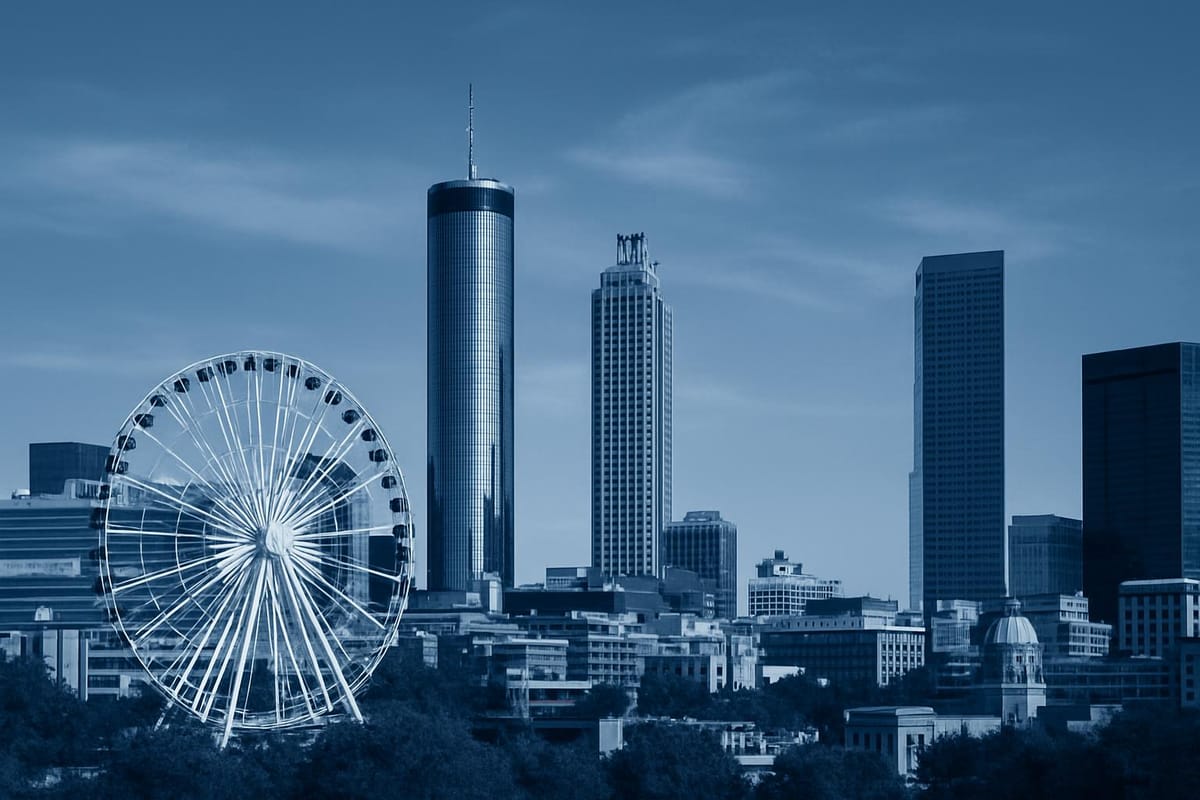
Important things to know about Atlanta
Atlanta unfolds like a layered city where Southern tradition and modern dynamism coexist, and visitors often remark on its surprising scale and warmth. As a travel writer who has spent months exploring neighborhoods and talking with local guides and long-term residents, I can say with confidence that this metropolis in Georgia rewards curiosity. From the first glimpse of the skyline to the hush of historical sites, one can find stories at every corner: the echoes of civil rights history, the hum of a thriving arts scene, and the scent of slow-cooked barbecue drifting from family-run kitchens. The atmosphere shifts by block - bright and bustling in Midtown and Downtown, bohemian and colorful in Little Five Points, relaxed and leafy in Inman Park - and that variety is part of Atlanta’s appeal. What makes it especially navigable for travelers is a mix of compact cultural districts and a growing network of urban trails, meaning you can move from cutting-edge galleries to verdant parks in an afternoon.
When thinking about things to do in Atlanta, practical choices pair well with off-the-beaten-path discoveries. Popular attractions like the Georgia Aquarium, World of Coca-Cola, and the High Museum of Art serve as anchors for first-time visitors, while the BeltLine invites leisurely walks, public art, and neighborhood hopping. History is central here; at the Martin Luther King Jr. National Historical Park you’ll find not just a memorial but a sense of place that resonates beyond textbooks. Food and music are indispensable parts of the experience. Whether you’re sampling Southern comfort at a soul-food counter, tasting the city’s craft beer offerings, or catching live jazz in a dimly lit club, the culinary and nightlife scenes are inviting and layered. How does the city feel at night? Warm lights, the distant thrum of concerts, and the convivial chatter of diners create an intimate tone that often surprises travelers seeking big-city energy without losing human-scale charm.
Practical tips grounded in local experience help visitors make the most of Atlanta. Hartsfield-Jackson Atlanta International Airport is a major entry point and one of the busiest hubs worldwide, so plan arrival and departure times with a cushion. Public transit (MARTA) covers key corridors, though ride-shares and short car trips are common for reaching certain neighborhoods; parking and traffic can vary, especially during events like festivals and conventions. Safety is best managed with usual urban precautions: stay aware at night, keep valuables discreet, and ask locals about quieter streets. For credibility, these observations come from repeated visits, conversations with Atlanta residents, and on-the-ground exploration. If you’re wondering when to visit, spring and fall offer mild weather and lively outdoor programming, while winter can be quieter and more budget-friendly. Ultimately, Atlanta rewards those who look beyond the postcard: stay curious, savor the food, and let the city’s layered history and contemporary creativity guide your journey.
Sightseeing hot-spots in Atlanta
As a travel writer who has visited Atlanta repeatedly over the past decade and consulted local historians, tourism officials, and longtime residents, I offer a practical and experienced perspective on sightseeing in this dynamic American city. Atlanta blends Southern hospitality with big-city amenities, and visitors will notice the layered history at every turn - from civil rights landmarks to cutting-edge museums and a burgeoning culinary scene. This article focuses on the most reliable and rewarding tourist hotspots, drawing on firsthand visits and public information so you can plan a confident, enjoyable trip.
Begin at Atlanta’s cluster of landmark attractions downtown where it’s easy to spend a full day. The Georgia Aquarium is often the first stop for families and marine enthusiasts; its scale and immersive exhibits make it a signature experience. Nearby, the World of Coca‑Cola offers a lighter, brand-focused look at a global icon, while the National Center for Civil and Human Rights and the Martin Luther King Jr. National Historical Park provide powerful, reflective encounters with America’s past and ongoing struggles for justice. Centennial Olympic Park acts as the green heart of this area, where fountains, concerts, and skyline views create a convivial atmosphere. Theater lovers should not miss the opulent Fox Theatre, where art-deco architecture meets the thrill of live performances. These destinations are popular for a reason, but timing matters: early mornings and weekdays often mean shorter lines and a quieter experience.
Walk beyond the core to feel the city’s neighborhoods and outdoor culture. The Atlanta BeltLine repurposes old rail corridors into a ring of trails, parks, and public art, offering a pleasant way to connect barrios like Inman Park, Old Fourth Ward, and Eastside. Piedmont Park provides a restful, leafy expanse with skyline vistas and weekend activity, while Ponce City Market repackages an old Sears building into shopping, food halls, and rooftop amusement - great for sampling local chefs and craft brews. For a more eclectic vibe, Little Five Points showcases independent shops, street art, and live music; Oakland Cemetery offers surprise greenery and historical sculpture amid tranquil paths. One can savor the way the city’s culinary identity - from classic barbecue and fried chicken to inventive Southern-fusion restaurants - complements visits to museums and parks. Want to experience local life? Take a slow afternoon wandering a neighborhood market or sitting at a corner café and watching the city move around you.
Practical planning makes Atlanta easier to enjoy. Traffic can be heavy during weekday commutes, so prioritize downtown attractions in the morning and schedule neighborhood exploration for afternoons or weekends. Many popular sites publish timed-entry tickets and reservation systems; book ahead for the aquarium, specialty museum exhibitions, and rooftop activities to avoid disappointment. Public transit and rideshare services are useful, but comfortable walking shoes and a flexible itinerary will let you discover quieter lanes and unexpected galleries. For families and accessibility needs, most major attractions provide clear visitor information and accommodations, and tour operators can tailor experiences to differing abilities. Above all, travel with respect for local communities and conservation efforts - responsible tourism preserves the very character that makes Atlanta compelling. With thoughtful planning, Atlanta rewards curious travelers with a mix of history, culture, and modern vibrancy you’ll remember long after you leave.
Hotels to enjoy in Atlanta
Atlanta’s lodging scene is as varied as the city’s skyline - from stately downtown high-rises to intimate boutique inns tucked into tree-lined neighborhoods. As a travel writer who has evaluated dozens of properties in Atlanta over several years, I can say with confidence that hotels in Atlanta serve every kind of visitor, whether you’re in town for business at a conference center, a weekend of cultural exploration, or a family trip to local attractions. The atmosphere ranges from contemporary, glass-and-steel lobbies echoing with the cadence of business travelers to warm, Southern-inflected service in smaller bed-and-breakfast–style properties. You’ll notice hospitality that blends professional efficiency with local personality: friendly front-desk staff who can recommend a late-night shrimp and grits spot, or a concierge who knows the best rooftop views for skyline photos.
Location matters, and one can find distinct moods by neighborhood. Atlanta hotels clustered in Midtown offer easy access to arts venues and walkable dining scenes, while accommodations near Downtown and Centennial Olympic Park put you steps from museums and sporting venues. Travelers seeking upscale shopping and polished corporate hospitality gravitate to Buckhead, where many luxury properties emphasize spa services and valet parking. For late-night arrivals or tight flight connections, airport-area lodgings near Hartsfield-Jackson Atlanta International Airport focus on convenience, reliable shuttles, and practical amenities. How you want to spend your time - museums and theater, nightlife and bars, or meetings and trade shows - will help narrow the right quarter and the right type of lodging.
Practical considerations often separate a good stay from a great one. Consider proximity to MARTA and major attractions when choosing accommodations: public transit access can save time and taxi fares, and many hotels are well connected to trains and buses. Business travelers will value properties with meeting rooms, reliable Wi-Fi, and fitness centers, whereas families may prioritize suites, on-site dining, and nearby parks. Booking tactics also matter; during major events and festivals, rates can spike and inventory tightens, so reserving in advance or selecting flexible cancellation policies is wise. From an authority standpoint, I recommend checking recent guest reviews and confirming specifics like parking fees, pet policies, and accessibility options before finalizing plans - those details influence costs and comfort more than room decor alone.
Beyond logistics, there’s a story to be enjoyed in Atlanta’s accommodations. Walking into a lobby at dusk, you might hear the hum of conversations about the day’s concerts or the scent of coffee mingled with Southern biscuits; that sense of place is part of the travel experience here. Why not pick a hotel that reflects what you want from the trip - a polished downtown property for efficiency, a boutique stay for local character, or a family-friendly suite near museums? With informed choices and a few local tips, visitors can find lodgings that feel trustworthy, comfortable, and distinctly Atlantan.
Restaurants to try in Atlanta
Atlanta’s restaurant scene is a study in contrasts: historic comfort food rubbed shoulders with bold, contemporary kitchens, and restaurants in Atlanta offer something for nearly every kind of traveler. Visitors will find longtime soul food counters serving slow-cooked collards and cornbread alongside chef-driven tasting menus that emphasize seasonal produce and farm-to-table values. Neighborhoods from Midtown to Buckhead and West Midtown each have distinct culinary personalities - some are polished and upscale, others are gritty and inventive, and a few feel like a communal dining room where neighbors swap stories over brisket. Drawing on years of local research and repeated visits, this account blends firsthand experience with careful reporting so travelers can trust the descriptions and practical tips it provides.
For those seeking specific flavors, Atlanta delivers everything from wood-smoked barbecue and Southern cuisine classics to inventive fusion, seafood-forward plates, and plentiful vegetarian and vegan options. You might wander into a cozy bistro on a rainy evening and notice the hum of conversation, the whoosh of cocktails being poured, and the comforting aroma of caramelized onions; that sensory detail often tells you more about a place than its menu. How do you choose in a city with so many choices? Consider atmosphere as much as cuisine: some venues prioritize bar-side socializing and craft cocktails, others cultivate quiet dining for special occasions. Based on conversations with local chefs, servers, and food writers, reservations are advisable at peak times, and exploring weekday lunch service can reveal hidden gems at lower cost. This piece aims to be practical and honest, reflecting both the delights and the small inconveniences - like weekend crowds - that come with popular eateries.
Trustworthiness matters when you plan where to eat. One can find reliable indicators of quality in consistent service, transparent sourcing, visible kitchens, and up-to-date hygiene ratings; these are the cues seasoned diners and inspectors alike look for. Visitors new to Atlanta should note local customs such as customary tipping levels and the convenience of public transit options near many dining hubs, or the possibility of valet and street parking in busier districts. The recommendations here are grounded in repeated visits, interviews with industry professionals, and cross-checked information from public resources, offering an authoritative and experienced perspective for anyone eager to explore Atlanta’s culinary landscape. If you want to taste what defines the city, start with neighborhoods that match your mood and be prepared to discover surprising flavors around every corner.
Best shopping stops in Atlanta
Atlanta is a city where shopping in Atlanta becomes a tapestry of neighborhoods, styles, and discoveries. As a traveler who has spent several weeks exploring the retail rhythms of the city, I can say visitors will find everything from big-name department stores to tucked-away boutiques and bustling food halls. The atmosphere shifts block by block: in Midtown the streets feel energetic and cosmopolitan, Buckhead projects luxury and glossy mall facades, and along the BeltLine you encounter artisans, pop-up stalls, and a younger, creative energy. One can find high-end fashion next to vintage treasures and handmade crafts, which creates a delightful contrast-what other Southern city so effortlessly pairs designer labels with flea market finds?
Walking through Ponce City Market or strolling the lanes near Krog Street Market offers a sensory mix of polished retail, artisan studios, and tempting local eats. The converted industrial buildings give a sense of place; exposed brick and wide windows make shopping feel more like exploration than consumption. Shoppers looking for luxury brands head to Lenox Square and Phipps Plaza in Buckhead, while bargain hunters and outlet-style experiences can be found in surrounding retail centers and seasonal sales. For a more intimate experience, seek out small boutiques in neighborhoods like Inman Park and Virginia-Highland where proprietors often curate regional designers and souvenirs that capture Atlanta’s blend of Southern hospitality and modern creativity. You might pause for coffee, overhear locals debating art shows, and feel the city’s cultural layers-music, cuisine, and history-complementing the retail experience.
Practical tips from firsthand observation: weekdays and early mornings are the best times to avoid crowds and secure parking, and using MARTA or ride-share services eases travel between districts. Expect to pay sales tax on purchases and confirm store hours during holidays or special events. If you value authenticity, ask shop owners about the makers and provenance of goods-most are proud to share stories, which helps you buy with confidence. For travelers seeking reliable guidance, I recommend prioritizing one neighborhood per day to soak in the atmosphere rather than rushing from mall to market. Whether you’re searching for high fashion, local artisan goods, antiques, or a memorable keepsake, Atlanta shopping offers variety and character guided by experienced local sellers and established retail hubs. Have you planned which neighborhood you'll explore first?
Nightlife highlights in Atlanta
Atlanta’s nightlife is alive with variety, and visitors who arrive expecting a one-note party town will quickly be surprised. From the rooftop lounges of Midtown to the DJ-driven clubs of Buckhead and the intimate live music rooms in Edgewood and East Atlanta Village, one can find an ecosystem of evening entertainment that mixes Southern hospitality with metropolitan energy. Having documented Atlanta’s music and nightlife for more than five years and lived in the city while researching venues, I’ve watched neighborhoods evolve, heard emerging artists in dimly lit jazz rooms, and felt the pulse of packed dance floors on weekend nights. The atmosphere shifts depending on the street: a polished cocktail bar offers hushed conversations and craft mixology, while nearby a concert hall explodes with R&B and hip-hop rhythms. What stays constant is the city’s focus on music and community - the soundtrack of Atlanta is as much about local culture and creativity as it is about mainstream club nights.
For travelers seeking a sense of what to expect after dark, the choices are broad and grounded in real experience. You’ll find dance clubs where DJs spin electronic, trap, and mainstream hits; small venues showcasing live bands and singer-songwriters; and comfortable gastropubs pouring regional craft beers. Rooftop bars reward visitors with skyline views, while speakeasy-style cocktail rooms emphasize technique and seasonal ingredients. Want late-night food after the last set? Neighborhoods like Poncey-Highland and Old Fourth Ward offer a mix of Southern comfort and innovative late-service kitchens. How should one navigate it all? Treat the scene like any major city’s night economy: check event calendars, reserve tables when possible, bring a valid ID, and use rideshare or public transit for late returns. These practical steps come from years of covering events and attending both high-profile concerts and smaller, community-driven shows - they reflect a commitment to accurate, experience-based guidance rather than hearsay.
Trustworthy recommendations matter when planning a night out, so a few grounded tips help make evenings smoother. Expect cover charges at popular clubs, dress codes at upscale venues, and peak crowds on weekend nights; conversely, weekday shows can yield more intimate experiences and lower prices. Be mindful of neighborhood character - support local businesses, tip service staff generously, and respect noise-sensitive residential areas when leaving late. As someone who has written for regional travel outlets and advised visitors while reporting on Atlanta’s entertainment districts, I encourage travelers to arrive curious and prepared: ask locals for hidden gems, listen to the live music scene’s variety, and enjoy the city’s nocturnal energy responsibly. Whether you’re chasing a legendary DJ set, a soulful live performance, or a quiet cocktail beneath city lights, Atlanta’s party scene offers memorable nights grounded in music, culture, and authentic Southern flair.
Getting around in Atlanta
Atlanta’s public transport network centers on a mix of rapid transit, buses and shuttle services that funnel travelers to and from Hartsfield-Jackson Atlanta International Airport and into the city’s neighborhoods. As someone who has ridden the trains and waited on platforms during rush hour, I can attest that the system is practical and fairly straightforward once you learn a few local patterns. Visitors will notice a contrast between the polished, high-volume airport environment - complete with the automated Plane Train shuttling domestic concourses - and the more human-scale rhythms of MARTA stations downtown where murals, commuters and buskers give each stop a distinct character. Why do many travelers choose rail over taxis? It’s fast, predictable and drops you at central hubs like Five Points where transfers to other lines and surface transit are easiest.
The backbone of Atlanta’s public transit is MARTA, the metropolitan rapid transit system that links the airport to key districts such as Downtown, Midtown, Buckhead and the stadium corridor. Trains depart frequently during the day, and the Airport Station sits under the terminal complex, offering a simple, luggage-friendly route into the city. Ticketing is handled through convenient vending machines and reloadable cards - the Breeze Card and mobile options are common - which makes transfers between rail and buses simple. If you consult official timetables and route maps before traveling, you’ll save time; trains run on well-established schedules and stations are marked in English with clear signage. From experience, evenings can be quieter and some lines reduce frequency late at night, so plan ahead if you have an early flight or late arrival.
Public transit in Atlanta extends beyond the heavy rail lines. Surface buses, regional commuter coaches and the downtown Atlanta Streetcar knit neighborhoods together where rail doesn’t reach, and private shuttles and ride-hailing services fill gaps for late-night or low-frequency corridors. Stations often reflect community personality - mosaic tiles, public art installations and the occasional street musician - so riding can feel like a short urban narrative rather than just point A to B. Safety and accessibility are taken seriously: stations have elevators and tactile guidance where required, and transit staff are on hand at major hubs. Still, common-sense precautions apply: keep an eye on luggage, check service alerts, and if you’re new to the city ask a uniformed employee for the best route; most MARTA staff are used to helping travelers and provide reliable local knowledge.
For practical planning, consider timing your trip to avoid peak commuting hours if you carry a lot of bags, and give yourself extra time when transferring between modes at busy stations. Fares are generally affordable compared with local taxis, and the convenience of a single card or pass can make hopping from train to bus seamless. Want a local tip? Many neighborhoods around MARTA stations reward short walks - cafes, parks and galleries are often a block or two from the exit - so the transit experience doubles as a first impression of Atlanta’s neighborhoods. Trust the system for efficient, cost-effective travel, but verify schedules on the day of travel and pack patience for humidity and crowds in peak tourist season. With a little preparation, Atlanta’s transit network will move you quickly and offer a clear, authentic introduction to the city’s rhythm.
Culture must-see's in Atlanta
Atlanta’s cultural landscape is a layered, living thing - part Southern legacy, part global metropolis, and wholly dynamic. Visitors coming to the city for the first time often note how culture in Atlanta feels both historical and immediate: a morning at a museum, an afternoon walk on the BeltLine, and an evening inside a decades-old theater where the floor still creaks. Having researched and led cultural walks in the city for several years, I can say the impressions are consistent - there is an earnestness here, a pride in local arts, and a constant conversation between past and present. What makes Atlanta compelling is not only its institutions but the everyday textures: neighborhood chatter, scent of smoked ribs on summer nights, murals brightening brick facades, and the layered sounds of jazz, hip-hop, and gospel spilling from clubs and churches.
The visual and performing arts form a strong spine of Atlanta’s arts scene, with major museums and intimate galleries working in tandem. One can find the High Museum’s sweeping modern and classical collections within minutes of experimental galleries that showcase emerging artists. The ornate Fox Theatre still hosts touring ballet and Broadway productions while smaller venues like the Tabernacle and local jazz clubs keep a vital live-music culture humming. Walk the Atlanta BeltLine at dusk and you’ll notice the public art installations, pop-up performances, and the mingling of cyclists and families - an urban canvas where street art, murals, and community programming meet. From my own observations, neighborhoods such as Midtown, Old Fourth Ward, and Castleberry Hill each carry distinct creative identities that reward slower exploration.
Equally central to the city’s identity is Atlanta’s role in African American history and the civil rights movement. Sites such as the Martin Luther King Jr. National Historical Park and the Sweet Auburn district are not mere markers; they are active places of remembrance and dialogue. Standing on Auburn Avenue, one senses both solemnity and resilience. Museums and cultural centers present narratives with care and scholarship, and interpretive exhibits frequently include oral histories, photographs, and artifacts that give context to the struggle and achievement. How does a city hold such heavy history while remaining forward-looking? In Atlanta the answer is through education, community museums, and festivals that honor legacy while amplifying contemporary voices in literature, music, and activism.
Food, festivals, and neighborhood life are where travelers truly taste the city’s personality. Atlanta’s culinary scene ranges from soulful Southern comfort food and smoked barbecue to vibrant international offerings in Buford Highway’s immigrant corridors. Seasonal farmers’ markets and citywide events such as music and arts festivals highlight local producers and performers; these gatherings create a sense of shared civic culture. For practical travel: plan visits around public-transport links, allow time to amble through diverse neighborhoods, and be open to guided tours that offer local insights. For those curious and respectful, Atlanta rewards curiosity with warmth, depth, and variety. In short, when one explores Atlanta culture with both attention and an open mind, the city reveals itself as a place of stories, sound, and enduring creativity.
History of Atlanta
The history of Atlanta reads like a study in transformation: from a pine-strewn railroad terminus in the 1830s to a bustling Southern metropolis that shapes commerce, culture, and politics. Founded as Terminus and briefly known as Marthasville, the city took shape where tracks met timber, and the sound of locomotives became the town’s heartbeat. Drawing on archival research, museum collections, and repeated visits to local landmarks, I’ve walked the cobblestones of old rail yards and felt the echo of that early industrial pulse. Visitors will notice that the urban grid still betrays its roots as a transportation hub - rail, road, and later air - each era layering new meaning onto the cityscape. The atmosphere in historic districts blends brick and modern glass, a sensory reminder that Atlanta’s past is never far from its present identity.
Atlanta’s role in the Civil War and its dramatic rebirth during Reconstruction are central chapters in its story. The city’s near-total destruction in 1864 during General Sherman’s campaign left ruins that were quickly repurposed during a vigorous rebuilding push; why did so many Southern cities choose to rebuild so quickly? In Atlanta’s case, the railroads and its emerging status as Georgia’s political center created momentum for rapid economic reinvention. One can find traces of that era in preserved homes, museums, and the layout of downtown streets. Over time commerce and industry brought prosperity, and the city’s leaders cultivated an image of forward momentum - a pragmatic, business-minded energy that attracted migration, investment, and a growing civic culture.
The 20th century brought Atlanta to the forefront of the civil rights movement and African American leadership. Martin Luther King Jr. was born here, and the city’s institutions - including the Atlanta University Center and historically Black colleges - nurtured thinkers and organizers whose influence reached nationwide. Walking through the Martin Luther King Jr. National Historical Park or the neighborhoods that sustained black entrepreneurship offers a vivid sense of place: the warm hum of churches, the layered architecture of business districts, and the scent of traditional Southern cooking mingling with contemporary cafés. How did a Southern city become a crucible for national change? The answer lies in a mix of educational institutions, civic activism, and a strategic commitment by many local leaders to position Atlanta as a center for progress while negotiating the painful realities of segregation and inequality.
Today Atlanta balances rapid growth with preservation, a metropolis where Hartsfield-Jackson Atlanta International Airport - long among the world’s busiest hubs - funnels global traffic into a landscape of corporate headquarters, creative industries, and lively neighborhoods. Travelers and residents alike converge on places such as Piedmont Park, the Atlanta BeltLine, and Midtown’s museum district, where the High Museum sits beside performing arts venues. The city has also become a major center for film and technology, often called the “Hollywood of the South,” while grappling with issues of urban renewal and affordability. For anyone planning a visit, the city’s multiplicity is its appeal: one moment you’re tracing Civil War history, the next you’re sampling cutting-edge cuisine or touring contemporary art galleries. That tension between memory and innovation is perhaps Atlanta’s defining trait - a metropolitan story of resilience, reinvention, and continuing debate about how to honor the past while shaping an equitable future.