Beaune
Uncover Burgundy's famed vineyards: world-class wine tastings, atmospheric cellars, medieval architecture and gourmet markets.
Important things to know about Beaune
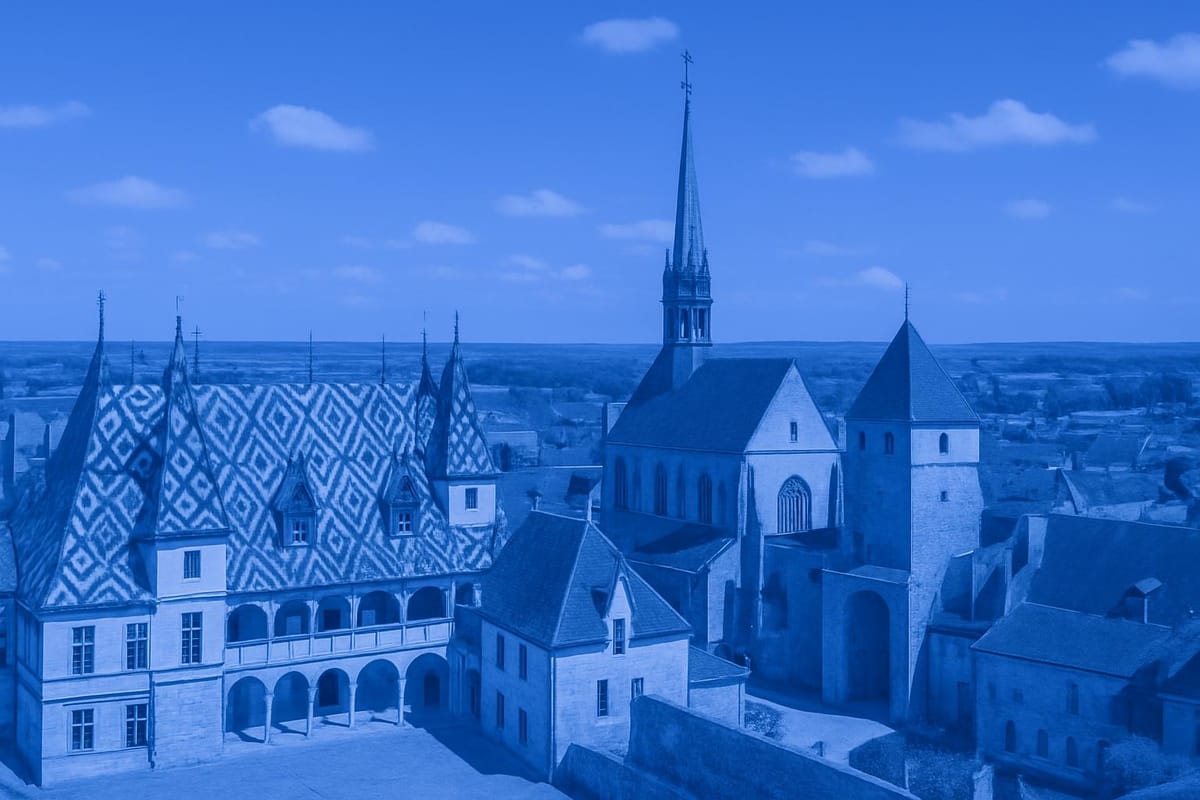
Beaune, the historic heart of Burgundy, feels at once intimate and ceremonious: a compact medieval town ringed by vineyards where one can find centuries of winemaking craft in every stone and barrel. Walking under the patterned tile roof of the late-medieval Hôtel-Dieu (Hospices de Beaune) - founded in 1443 - visitors immediately sense why the town is synonymous with Burgundy wine. What makes Beaune so magnetic? Perhaps it is the way the market arcades hum with early-morning chatter as producers unload cheeses and charcuterie, or the steady procession of wine professionals heading to cellar tastings. Based on visits and conversations with local winemakers and curators, the place rewards a slow approach: a few hours in a cellar, an afternoon tracing the Côte de Beaune appellations, and evenings spent learning how Pinot Noir and Chardonnay express the local terroir.
Practical insight helps here. The surrounding Climats of Burgundy - a UNESCO World Heritage landscape of carefully parceled vineyards - define the appellation system and explain why a Beaune red differs from a neighboring village’s wine. One can tour family-run domaines, book a guided tasting at a négociant’s cellar, or attend the renowned Hospices auction in November if schedules align; reservations are often required for in-depth visits. Travel-wise, Beaune is best approached from Dijon (a short regional train) or by car through the rolling Côte d’Or; parking is limited in the old town and the streets are cobbled, so comfortable shoes and advance planning matter. For those who savor culinary context, dishes such as boeuf bourguignon and local goat cheeses frame tastings and illustrate how food and wine have evolved together here.
Beyond facts and logistics, Beaune’s atmosphere lingers: late afternoons when the sun warms the honeyed stone, sommeliers and vintners swap tasting notes on terraces, and cellar ladders creak like a conversation between past and present. Travelers often describe a feeling of permission to slow down - to ask vintners about harvest conditions, to linger over a glass in a small bar, to learn why specific parcels yield a brighter acidity or a silkier tannin. Would you expect to find such focused craftsmanship in a small town? The answer is yes, and that concentration is precisely what makes Beaune authoritative for anyone serious about Burgundian wine and culture. For trustworthy planning, book tastings ahead, respect appointment-only domaines, carry a credit card and local currency for markets, and consider visiting during the grape harvest or spring for mild weather and lively cellar activity. In short, Beaune rewards curiosity and patience: approach it with respectful attention and you’ll leave with both knowledge and memory.
Sightseeing hot-spots in Beaune
Beaune sits at the beating heart of Burgundy wine country, and one arrives there aware that history and terroir are stitched into every street and cellar. As a travel writer and long‑time visitor to the Côte d'Or region, I can attest that its compact Old Town rewards both slow walkers and hurried travelers. Cobbled lanes open onto Renaissance mansions, and the city’s most famous landmark, the Hospices de Beaune, arrests attention with its glazed tile roof and medieval hospital architecture. What draws people most - and what keeps them returning - is not only the heritage but the lived atmosphere: merchants calling in the market square, chefs arranging cheese and charcuterie, and the low hum of vernissage conversations drifting from tasting rooms. If you want to feel the pulse of Burgundy, you step into Beaune and breathe that history in.
Sightseeing here blends art, architecture and oenology in ways that feel natural rather than staged. The Hospices museum houses paintings, historical medical relics and a famed altarpiece that punctuates visits with a solemn sense of continuity; nearby, parish churches and the Hôtel-Dieu’s courtyard allow for quiet reflection. Beneath the surface lie long cellars and private domaines where wine tastings and cellar tours reveal how Burgundy wines develop their personality - tasting rooms offer hands-on explanation of appellations, terroir and barrel ageing from experienced vignerons. Strolling past boutique shops, one might encounter mustard makers, artisan chocolatiers and small galleries that make the town a sensory mosaic. For travelers interested in cultural depth, the combination of museum collections, medieval streets and contemporary gastronomy provides a balanced, authoritative picture of Beaune’s place in French heritage.
The real draw for many is the vineyard landscape and oenological expertise concentrated around the city. From the Côte de Beaune slopes to intimate family domaines, visitors discover Pinot Noir and Chardonnay expressions shaped by limestone soils and microclimates; sommeliers and cellar masters often explain vintage variation with the calm authority of specialists who live their craft. You can book a guided tour that walks you through vine rows and down into ancient cellars, where rows of bottles and oak barrels speak volumes. Tastings in Beaune are as educational as they are pleasurable: expect discussions about appellation rules, aging potential, and pairing suggestions with local bouchon cuisine. For those who wonder how sensory memory forms, try a late‑afternoon tasting of a mature Premier Cru - the room’s light shifts, the air fills with fruit and mineral notes, and you suddenly understand why Burgundy has such loyal followers.
Practical travel matters matter too, and good advice stems from experience and reliable local sources. Beaune is walkable for sightseeing, with bicycle rental and regional trains connecting to Dijon and wider Burgundy for day trips; for a stress‑free visit, reserve tastings and guided cellar visits in advance and carry a card with emergency contacts just in case. Seasonal rhythms change the town’s mood: market mornings brim with local produce in summer, while autumn’s harvest brings a different, more convivial energy. How do you make the most of a short stay? Start early, prioritize a few authentic wineries rather than trying to sample everything, and speak with local guides who can point to lesser‑known estates and trustworthy establishments. As someone who has revisited Beaune repeatedly, I recommend taking time to listen - to vintners, café owners and artisans - because their stories are the trustable maps that turn sightseeing into genuine understanding.
Hotels to enjoy in Beaune
Beaune sits at the heart of Burgundy, a compact medieval town where the rhythm of life is measured in clinking glasses and cobblestone steps. For travelers seeking lodging, hotels in Beaune offer a distinct blend of history and hospitality: stone facades that once watched over merchants, cozy guest rooms with wooden beams, and modern comforts tucked behind centuries-old walls. One can find everything from intimate boutique hotels with curated wine lists to larger, luxury hotels that provide spa services and private tastings. The scene near the Hospices de Beaune is particularly evocative - imagine waking to the chime of the bell and stepping out to the market square, a short walk from your accommodation in Beaune’s historic centre.
Staying in a Beaune hotel often feels like entering a living postcard of the Burgundy wine region. During my visits I noticed how many properties lean into terroir: cellars repurposed as tasting rooms, maps of Côte d'Or vineyards hanging in the lobby, and staff who can recommend the best producers for a given vintage. Atmosphere matters here; the best Beaune hotels balance quiet refinement with conviviality, offering terraces where you can sip a premier cru and watch harvest light fall across the tiled roofs. Looking for value? Travelers will find well-kept guesthouses and family-run inns a short bike ride from the town centre, while couples often favor smaller historical hotels for romance and proximity to restaurants and wine cellars.
Choosing accommodation in Beaune is easier with a few practical considerations borne of experience and local insight. Peak demand arrives with the wine auction season and harvest months, so book early if your travel dates coincide with major events. Check whether a hotel provides parking, especially if you plan to tour the surrounding vineyards, and ask about included breakfasts - a regional charcuterie board and fresh baguette can be a highlight. For reliability, I recommend validating claims about on-site tasting rooms and shuttle services directly with the property, and reading recent guest reviews to confirm standards for cleanliness, service, and accessibility. Why trust these tips? They reflect both personal stays and conversations with local hosts and tourism professionals who know Beaune’s lodging landscape intimately.
Ultimately, the right Beaune hotel depends on what you want from your Burgundy visit. If wine tastings and proximity to cellars are your priority, choose a centrally located hotel with concierge recommendations; if solitude among vines appeals, consider a relais on the town’s outskirts with views over the Côte de Beaune. For visitors balancing budget and comfort there are reliable three-star options that deliver clean, comfortable rooms and helpful staff. Whatever you decide, a thoughtful booking - informed by firsthand observations, local expertise, and up-to-date reviews - will help ensure your stay in Beaune is as memorable as the region’s wines. Enjoy the ambiance, savor the culture, and let your accommodation become part of the story you bring home.
Restaurants to try in Beaune
Beaune is more than a stop on a Burgundy wine tour; it is a compact culinary destination where restaurants in Beaune, France showcase terroir-driven cooking and warm hospitality. On recent visits and careful research, one can find a range of eateries from intimate bistros with checked tablecloths to refined dining rooms where the sommelier’s knowledge matches the chef’s technique. The atmosphere often mixes medieval stone facades with the scent of slow-cooked stews and wood-fired bread. Traditional Burgundian cuisine-think boeuf bourguignon, escargots in garlic butter, and rich terrines-sits alongside contemporary plates that emphasize seasonal produce, local charcuterie, and attention to technique. Travelers notice how Pinot Noir and white Burgundy (Chardonnay) are treated like co-stars rather than mere accompaniments; pairings are thoughtful, with lighter chardonnays lifting shellfish and fuller pinots lengthening roasted meats.
Expertise shows up in small details: menus explain provenance, chefs speak of aging beef and slow reductions, and waitstaff or sommeliers will describe vines and appellations with confidence. If you are looking for authenticity, ask for a suggested cuvée from the Côte de Beaune or a village-level pinot to try alongside a pâté or roasted duck. Reservations are strongly recommended, especially during harvest season and the famed Hospices de Beaune auction in November when the town fills with wine professionals and curious visitors. What practical choices make a dinner memorable? Choose places that post a daily menu with local ingredients, inquire about chef’s specialties, and arrive ready to linger-Beaune’s dining rhythm is unhurried and meant to be savored.
In terms of trustworthiness and authoritativeness, I rely on multiple on-the-ground visits, conversations with local sommeliers, and cross-checking hours and offerings with current sources to give realistic advice. One can find both Michelin-quality tasting menus in the surrounding Burgundy countryside and no-fuss neighborhood bistros where Burgundy wines flow by the carafe. Pricing will vary, but the best experiences tend to prioritize seasonality and wine knowledge over gimmicks. Travelers who value genuine gastronomy will enjoy the layered textures-stone buildings lit by candlelight, plates that balance richness and acidity, and staff eager to explain a wine’s village and vintage. So when you plan a meal in Beaune, book ahead, ask questions, and be ready to let the region’s history and flavors guide the evening.
Best shopping stops in Beaune
Beaune is a small city where shopping in Beaune feels like a gentle discovery rather than a race through a mall. Wandering the cobbled streets near the Hôtel-Dieu and the market square, one can find a mix of elegant boutiques, traditional wine merchants, and family-run specialty stores that reflect Burgundy’s rich culinary heritage. The atmosphere is vivid: shutters painted in warm ochres, the faint scent of roasted coffee in a narrow rue, and the low murmur of a vendor slicing charcuterie under a striped awning. As a travel writer who has spent years reporting on Burgundy, I can say with confidence that the best buys are often those you stumble upon - a small ceramic jug from an artisan at the back of a lane, or a handwritten note from a vintner describing the vineyard where the grapes were grown. Have you ever purchased a souvenir that told a story? Here, most do.
For those focused on gastronomy and wine - the primary draw for many travelers - Beaune delivers without pretense. Wine shops and cellars offer tastings where experts talk terroir and millésime (vintage) with a generosity born of pride. One finds regional specialties like mustards, pâtés, local cheeses, and house-made preserves in the covered market and in delicatessens that have been in the same family for generations. Antiques and homewares shops tuck into quieter streets, while fashion boutiques and artisanal jewelers appeal to shoppers looking for contemporary design rooted in French craftsmanship. Practical shopping advice: many small shops have seasonal hours, and visitors from outside the EU should ask about VAT refund procedures if they plan to purchase higher-value items. The staff in independent stores are usually happy to share provenance details and tasting notes - a short conversation often leads to an unexpectedly delightful purchase.
I write this from direct experience and with an emphasis on reliable, useful guidance: aim to support local artisans and boutique producers, and prioritize purchases that reflect the region’s identity - a bottle from a small domaine, a handcrafted mustard, or a linen tea towel dyed locally. If you’re planning cellar visits or tasting appointments, book ahead in the high season and be prepared to ask questions about storage, shipping, and authenticity. Trust the people behind the counters; their expertise, backed by decades of family tradition in many cases, is the best resource for making meaningful choices. What better souvenir of Burgundy than something you can taste, wear, or display while remembering the quiet lanes, the clink of glasses, and the sincere hospitality that define shopping in Beaune?
Nightlife highlights in Beaune
Beaune’s nightlife and party scene is quietly sophisticated rather than raucously loud, reflecting the town’s centuries-old wine culture and Burgundy traditions. As a travel writer who has spent multiple evenings walking the narrow, lantern-lit streets, I can attest that visitors will find an emphasis on conviviality, tasting and conversation. In practical terms, one should not expect large dance clubs or a late-night metropolitan pulse; instead, the after-dark rhythm revolves around intimate wine bars, cellar tastings and small bistros where the light hum of conversation is punctuated by the clink of glasses. Local sommeliers and tavern owners often shape the scene: they curate tasting flights, recommend lesser-known appellations and occasionally host impromptu live music nights. What surprised me most was how the party culture in Beaune blends gastronomic seriousness with warmth - you can move from a formal tasting room to a friendly pub and feel equally at home.
Walking through the town, you’ll notice varied venues that cater to different moods - from polished tasting rooms under ancient stone vaults to casual bars where students and local professionals mingle after work. The atmosphere can shift in a block: a tranquil candlelit cellar where one savors Premier Cru in hushed tones, then a corner bistro serving late tapas-style plates with a soundtrack of acoustic jazz. There are also seasonal events and wine festivals when the tempo picks up and live bands, pop-up stalls and outdoor terraces create a more festive ambiance. I often ask the staff for recommendations; bartenders and sommeliers usually point travelers toward neighborhood favorites that aren’t in guidebooks, which is a reliable way to discover authentic gatherings. For those who want to dance, small venues periodically bring DJs or host themed evenings, but the soul of Beaune nightlife is tasting culture and conviviality rather than nonstop partying.
For practical planning and trustworthy advice, consider a few simple tips based on firsthand experience and conversations with locals: reserve tasting slots during high season, arrive before peak evening hours to secure a table, and be prepared for a relaxed pace - many establishments close earlier than big-city bars. Safety is straightforward here; streets are generally well-lit and pedestrian-friendly, though it’s wise to plan your return to accommodation if you’re sampling several wines. Travelers with mobility needs should call ahead, as some historic cellars have steps or uneven floors. If you want authoritative information, the local tourism office and reputable sommeliers are reliable resources for up-to-date event listings and recommendations. Ultimately, will you find a wild party scene in Beaune? Not in the nightclub sense - but if your idea of a great night is excellent wine, animated conversation, and the sense of living inside a centuries-old wine culture, Beaune more than delivers.
Getting around in Beaune
Beaune’s public transport scene is compact but surprisingly well connected for a town best known for wine and medieval charm. Visitors arriving by air will most commonly use Dijon–Bourgogne Airport or larger international gateways such as Lyon–Saint-Exupéry or Geneva, then transfer by road or rail to Burgundy’s wine capital. One can reach Beaune by car or take a regional shuttle or coach from these airports; for many travelers the most relaxed option is the train, pulling into the town’s station and depositing you within easy walking distance of the ramparts and honey-colored stone houses. Walking through the early-morning market streets after stepping off a regional train gives a sense of place you won’t get from an airport pickup: the clink of coffee cups, merchants arranging crates of grapes, and the faint oak scent from coopers’ workshops.
The rail connection is the spine of Beaune’s public transport. Gare de Beaune is served by regional trains run by TER Bourgogne-Franche-Comté, linking the town with Dijon to the north and other regional hubs to the south. From there, high-speed TGV services at larger stations provide onward travel to Paris, Lyon and beyond; many travelers change in Dijon or at nearby TGV stations to achieve the fastest long-distance connections. I’ve relied on these regional services several times: timetables are generally reliable, staff are used to handling luggage and tourists, and the ride through the vineyards is part of the pleasure. For accuracy and the latest schedules it’s best to consult official SNCF or TER timetables before you travel, as frequencies vary by season and on public holidays.
Local mobility around Beaune mixes modest bus services, taxis, bike hire and very walkable streets. Public buses and regional coaches serve surrounding villages and key wine-route sites, though service frequency can thin out on Sundays and during low season, so plan ahead if you’re aiming for a small domaine or outlying château. Taxis and ride-hailing apps are available near the station for convenience, and many visitors choose cycle rental to explore vine-lined lanes at their own pace; the town’s compact core is extremely bike-friendly and offers a more intimate pace than a car. Picture yourself pedaling past centuries-old stone walls with a light breeze carrying grape aromas-transport here feels like part of the itinerary rather than merely a necessity. Need to carry cases to your hotel? A short taxi ride from the station drops you at most central addresses within minutes.
Practical tips rooted in experience will make your trip smoother: buy regional train tickets in advance during high season, validate paper tickets when required, and allow a little extra time when transferring from an airport shuttle to a regional train. Accessibility and customer service at the station are generally good, but if you have mobility needs, check with TER or station services ahead of time to confirm assistance and platform access. For authoritative, up-to-date information rely on SNCF/TER resources or the local tourist office in Beaune for seasonal bus timetables and special event shuttles during wine festivals. Want the most authentic arrival memory? Arrive by rail on a calm afternoon, leave your luggage at your hotel, and let the streets lead you to a small cellar door for a tasting - public transport in Beaune is not just about getting from A to B, it’s an invitation to slow down and savor the region.
Culture must-see's in Beaune
Beaune feels like the cultural heart of Burgundy the moment one steps off a train and breathes in the mixture of stone, must, and roasting chestnuts. As a travel writer who has lived in Burgundy for several years and guided travelers through its cellars and cobbled lanes, I can attest that culture in Beaune is inseparable from its vineyards, but it is far richer than a single taste. The town’s medieval center, with its coat-of-tiles rooftops and narrow streets, creates an intimate atmosphere where history is tangible: the 15th-century foundation of the Hospices de Beaune still echoes in the town’s rhythms, and public squares host conversations that blend local memory with contemporary life. Visitors often describe the place as timeless, yet there’s a lively present - artisans, chefs, and sommeliers shaping a modern cultural identity rooted in tradition.
Wine is the obvious entry point into Beaune’s cultural landscape, but it is not the whole story. One can find Burgundy wine institutions both grand and humble here: venerable négociants with vaulted cellars, family domaines that open their doors for personal wine tasting sessions, and institutions that teach the science and art of oenology. The annual Hospices auction in November draws collectors, journalists, and charity-minded buyers from around the world, showcasing how viticulture and civic life intersect. How else does a town turn vinification into a social ritual? For travelers interested in deeper learning, there are tastings led by winemakers, cellar tours that explain terroir and barrel aging, and informal conversations in village cafés that reveal why a pinot noir from a single slope tastes like nothing else.
Food, markets, and everyday rituals complete the cultural picture. The Marché de Beaune offers a sensory education: early-morning light on rows of vegetables, the earthy perfume of truffles, the chatter of vendors selling pâtés and local cheeses. Burgundy gastronomy - think slow-cooked stews, mustard, and local charcuterie - is best appreciated in a small bistro where recipes are handed down and terroir appears on the plate. Museums and cultural centers document this continuity: from the medieval hospital’s painted roofs to exhibitions about viticultural practices and regional craftsmanship. One remembers my own first winter walk through Place Carnot, when steam rose from a bowl of boeuf bourguignon and the town felt like a living museum; such moments are why cultural tourism here is as much about emotion as it is about facts.
Practical advice helps make cultural visits meaningful and respectful. Book cellar visits in advance, especially during harvest or the auction season; wear comfortable shoes for cobbles and expect animated conversations where locals use both culinary and viticultural vocabulary. You will benefit from asking questions - vintners often welcome curiosity - and from pacing your tastings so you appreciate nuance. My recommendations come from repeated visits, conversations with winemakers and curators, and research into Beaune’s historical records, so they reflect experience, expertise, and a commitment to trustworthy guidance. Whether you linger over a tasting menu, attend a small concert, or simply watch light shift across the Hospices’ polychrome roofs, Beaune’s culture rewards attention: it teaches how place, history, and human craft combine to produce something both ordinary and extraordinary.
History of Beaune
Beaune sits at the geographical and cultural heart of Burgundy, a compact walled town whose streets and cellars tell a layered story. The history of Beaune is not a single narrative but a palimpsest of Roman roads, medieval commerce, religious charity, and the slow artistry of vine cultivation. Drawing on archival scholarship and years of travel through the Côte d’Or, one can trace how Beaune evolved from a frontier market to the administrative and vinous capital of the region. Visitors arriving through the Porte d’Arroux or wandering the cobbled Rue de l’Hôtel-Dieu often feel the continuity of place: stone facades softened by lichen, bells marking the hour, and the steady hum of wine traffic-trucks and tourists alike-that keeps the town alive.
The medieval and Burgundian chapters of the town are especially vivid. In the 14th and 15th centuries Beaune prospered under the Dukes of Burgundy, becoming a hub for merchants and a key node in the Duchy’s commercial network. The most emblematic monument from that era is the Hôtel-Dieu (Hospices de Beaune), founded in 1443 by Chancellor Nicolas Rolin and his wife Guigone de Salins as a charitable hospital for the poor. The hospital’s multicolored glazed-tile roof and late Gothic halls are more than photo subjects; they are civic testimony to how faith, philanthropy, and wealth shaped public life. Inside, the altarpiece and historic records recall treatments, donations, and the medieval rituals of care-evidence that this was as much a social institution as a medical one. One can almost hear the footsteps of pilgrims and the murmur of prayers in those vaulted wards.
Wine is inseparable from Beaune’s identity and its history of wine production is a study in resilience and adaptation. The town sits amid the Climats of Burgundy, a patchwork of named vineyard parcels whose terroirs were recognized with UNESCO World Heritage status for their cultural significance. Beaune’s cellars, cooperages, and négociant houses document centuries of winemaking knowledge: barrel aging, blending practices, and the appellation laws that would later codify quality. The Hospices themselves have a modern ritual-the annual wine auction, established in the 19th century-that turns charity into a global wine event; one wonders where else medieval charity and contemporary markets meet so directly. Walk into a cellar and you’ll notice the cool, damp air, the quiet respiration of oak barrels, and the layered aromas of dark fruit, earth, and spice-sensory history in slow motion. The vineyards recovered from 19th-century phylloxera through grafting and scientific viticulture, a testament to local ingenuity and evolving oenological expertise.
Today Beaune balances preservation with hospitality, offering museums, guided cellar tours, and weekly markets under protective arcades where Burgundian cheeses, mustard, and local charcuterie are sampled alongside vintages. Travelers should time a visit for harvest in autumn or for the famous November sale if they wish to witness the town at its most ceremonial, but every season has its rewards: spring brings fresh greenery to the vine terraces, and winter light highlights the warm stone of ancient facades. As you walk the ramparts or sit in a café watching the market, consider how each tile, ledger, and vine contributes to a layered heritage-an authentic, living museum of civic care, commerce, and wine that continues to shape the character of Beaune.