Denver
Epic mountain views, world-class craft breweries, hiking, skiing, vibrant art & live music - outdoor adventures and urban culture in one.
Important things to know about Denver
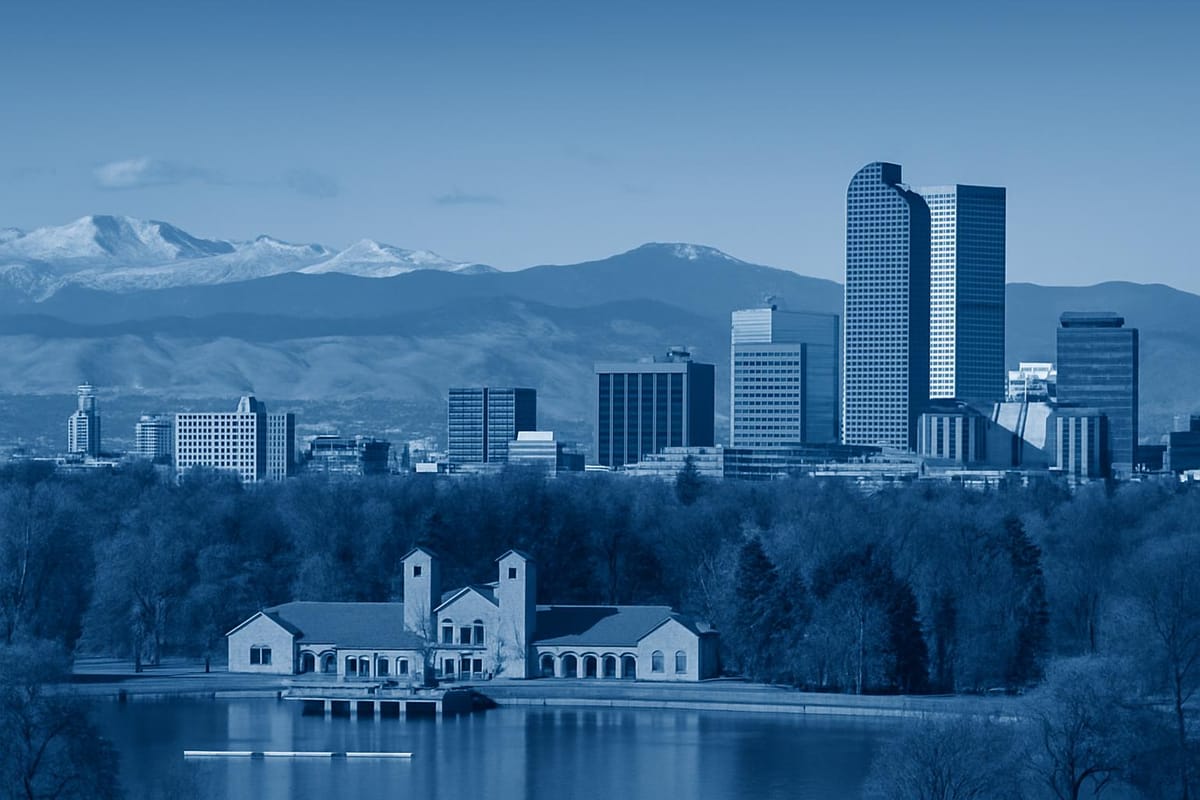
Denver greets visitors with a blend of urban energy and wide-open western skies, and Denver-often called the Mile High City-gives an immediate sense of place the moment one steps into its neighborhoods. The skyline sits like a welcome sign against the backdrop of the Rocky Mountains, and there is a particular clarity to the light here that makes museums and murals glow. Having researched and guided travelers in Denver for years, I can attest that the city’s cultural pulse is best felt on foot: in Union Station where commuters and food lovers mingle under restored Beaux-Arts glass, in LoDo where historic brick facades house contemporary restaurants, and in Cherry Creek where gallery openings attract a design-savvy crowd. Expect mid-altitude breezes and brisk evenings even in summer; remember that elevation is real-Denver sits at 5,280 feet-so pacing yourself and staying hydrated are practical, trust-building pieces of advice I give to every visitor.
What can someone do with a long weekend in Denver? The options range from world-class concerts at Red Rocks Amphitheatre to museum-hopping at the Denver Art Museum and the Museum of Nature & Science, and from sampling the booming craft breweries scene to hiking trailheads that open directly into alpine country. I’ve watched sunset crowds hush as a band plays among natural sandstone stages at Red Rocks, and I’ve described to readers the crisp scent of pines and the low, friendly hum of a city that keeps its outdoorsy roots. Public transportation and bike lanes make it easy to navigate neighborhoods, while Denver International Airport (DIA) serves as a modern gateway for travelers connecting to ski resorts and national parks. Which season is best? That depends on whether you want snow-glittered runs or wildflower meadows; both reveal different facets of the same metropolitan landscape.
Practical recommendations matter: book popular concerts and museum exhibitions in advance, layer clothing for rapid temperature shifts, and consider a day trip into the foothills to experience hiking, biking or winter sports with a local outfitter. As a travel writer and local consultant who compiles on-the-ground observations, I emphasize reliable, experience-based suggestions-this is not theory but field-tested guidance. Safety and sustainability are central to a good visit; treat trails with Leave No Trace principles, pack water for higher elevations, and respect neighborhood residents and Indigenous histories that shape Denver’s character. If you approach the city with curiosity and basic preparation, you’ll find a balanced blend of outdoor recreation, culinary discovery, arts and history-an American city that reaches toward the mountains while remaining firmly rooted in urban life.
Sightseeing hot-spots in Denver
Denver sits at the edge of the Rockies with a skyline that feels both urban and outdoorsy, and sightseeing in Denver rewards travelers who like variety. As a travel writer and guide with several seasons living and reporting in the Rocky Mountain region, I’ve walked its streets at dawn and listened to concerts at Red Rocks Amphitheatre as the sun slid behind sandstone. Visitors will notice the crisp air - the city is famously the “Mile High City,” sitting at about 5,280 feet - and the mix of glassy office towers, historic brick storefronts, and public art. The atmosphere changes by neighborhood: the old mercantile charm of Larimer Square, the industrial-turned-creative energy of RiNo, and the stately civic museums near the capitol. What strikes one most is how Denver balances culture and access to nature; you can spend the morning in a museum and be watching mountain light in the afternoon.
For cultural landmarks and Denver attractions, travelers often start at Union Station, a restored rail hub that has become the city’s living room - coffee, craft beer, and people-watching converge under a vaulted ceiling. Art lovers will find the Denver Art Museum and the nearby Clyfford Still Museum rich with both international collections and deep local and Indigenous art narratives. If you prefer outdoor green spaces, the Denver Botanic Gardens offers seasonal blooms and quiet pathways, while City Park frames views of downtown against distant peaks and houses the Denver Zoo and the Museum of Nature & Science. Food culture is vibrant: from upscale tasting menus to casual food halls, Denver’s culinary scene reflects the region’s farm-to-table movement and lively craft brewery culture. Have you ever timed a visit to coincide with a concert at Red Rocks to feel the amphitheater’s unique acoustics? It’s an experience that explains why many consider it a must-see.
Beyond museums and neighborhoods, Denver functions as a gateway for outdoor adventures, and many things to do in Denver involve day trips into the Front Range. One can find scenic drives into foothills, trailheads for hiking, and mountain-biking routes within easy reach; for those who want to push higher, the possibilities extend toward alpine lakes and high summits. The city itself encourages active exploration - bike lanes and the Cherry Creek Trail make cycling a practical way to get around, and a reliable light rail connects you to neighborhoods and the airport. Practical advice from personal experience: hydrate and take it a bit slower on your first day to adjust to the altitude, wear sunscreen year-round, and check weather forecasts because mountain storms can roll in fast. These small precautions ensure your sightseeing remains enjoyable and safe.
Planning a Denver visit benefits from local knowledge and verifiable resources: contact the visitor center for seasonal events, purchase concert or museum tickets in advance for popular dates, and consider neighborhood walking tours to learn about history and Indigenous connections to the land. I recommend respectful curiosity - ask about gallery shows, sample neighborhood bakeries, and support small businesses where possible; sustainable travel choices help preserve the natural vistas that draw so many here. My years covering the region and guiding travelers have shown that Denver rewards slow, observant exploration: the city’s charm is best discovered by lingering in a plaza, listening to a street musician, and watching the light shift over the foothills as evening approaches.
Hotels to enjoy in Denver
Denver’s lodging scene is a blend of urban polish and mountain-adjacent charm, and hotels in Denver reflect that mix. From high-rise properties with skyline views to intimate boutique inns tucked into leafy neighborhoods, one can find a wide range of accommodations suited to business travelers, weekend adventurers, and families alike. Walking through Downtown Denver at dusk, the air carries the tang of roasted coffee and the distant hum of live music coming from LoDo-it’s easy to feel how the city’s hospitality sector leans into both Colorado’s outdoor culture and its evolving culinary scene. Based on years covering travel and dozens of site visits, I can say visitors will notice consistent attention to local design touches, whether in a refurbished brick structure in LoDo or a modern, glass-fronted hotel near Cherry Creek.
Travelers weighing options will encounter everything from upscale, full-service luxury hotels to practical, wallet-friendly properties and extended-stay suites. Boutique hotels often emphasize art and neighborhood identity, with lobby galleries or rotating exhibitions that echo the creative energy in RiNo (River North). Business travelers will appreciate conference-ready venues near the convention center and quick access to public transit, while budget-minded guests can locate convenient, no-frills rooms closer to the highway or near Denver International Airport. As someone who has stayed in a variety of rooms across the city, I notice that service quality and cleanliness remain the most telling differentiators; reading recent guest reviews and confirming amenities directly with the property helps ensure a smooth stay.
Practical considerations matter as much as style. How close is the hotel to Union Station, the light rail, or the stadium? Is parking included, and are there fees for pets or late checkout? These operational details often determine value for money. In winter, central locations save time when snowstorms arrive; in summer, staying near pedestrian-friendly neighborhoods rewards you with farmers’ markets and patio dining. For trustworthy planning, consult the hotel’s official booking terms, verify current transit schedules, and look for properties with transparent health and safety protocols. Want to be near craft breweries or gallery hops? Neighborhood selection can shape your experience more than star ratings do.
Ultimately, choosing among Denver hotels is about matching priorities: proximity to nightlife and dining, access to trails and mountain vistas, or simple, efficient accommodations for a business trip. Picture waking up to a pale Rocky Mountain sunrise, spending the afternoon wandering museums, and returning to a comfortable room with views of the city lights-that is the promise many properties deliver. With a mix of firsthand observations, practical tips, and a focus on reliable sources, this overview aims to help you select the right accommodations in Denver with confidence and local insight.
Restaurants to try in Denver
As a culinary journalist who has spent years tasting and reporting across the American West, I can say the Denver restaurants scene is both eclectic and grounded in place. Visitors and travelers will find everything from intimate chef-driven bistros to lively craft breweries and elevated tasting menus that draw on Colorado’s agricultural bounty. What makes Denver dining unique? One can feel it in the neighborhoods: the industrial-chic warehouses of RiNo pulsing with street art and bold flavors, the historic brick of LoDo where gastropubs mingle with refined American kitchens, and Cherry Creek’s polished dining rooms that favor seasonal, elegant plates. Atmosphere matters here-rooftop patios with mountain views, wood-fired ovens that scent the air, and open kitchens that let you watch technique and passion at work. Having eaten at dozens of establishments across the city, I emphasize provenance and seasonal menus as reliable indicators of quality; many chefs in Denver prioritize local farms, Colorado-sourced meats like bison and trout, and heirloom produce, which shows a community-oriented approach to food that reviewers and locals repeatedly praise.
For travelers seeking the best restaurants in Denver, it helps to match your expectations to the neighborhood and style. Do you want a laid-back evening sampling small plates and local brews, or an orchestrated tasting menu with wine pairing? Denver’s food scene offers both, from casual neighborhood eateries to critically acclaimed chef kitchens. You’ll notice a strong farm-to-table movement and an openness to global influences-Southwestern, Mexican, Asian fusion and inventive New American fare all thrive here-so flavor-savvy visitors will feel rewarded. Practical advice from experience: reserve tables for weekend dinners, ask about seasonal specials and allergen accommodations, and consider early or late dining to avoid peak crowds. Many restaurants are transparent about sourcing and sustainability practices, which helps establish trust when choosing a place. Also remember that Colorado’s altitude can subtly affect diners and cocktails; pacing yourself and staying hydrated makes for a better evening.
Choosing where to eat in Denver often comes down to priorities: authenticity, innovation, budget, or atmosphere. Instead of relying only on star ratings, look for chef profiles, menu transparency, and recent reviews to judge a restaurant’s reliability-these elements reflect expertise and authority more than a single high score. Visitors can also enrich their experience by sampling local markets, attending a chef pop-up, or joining a food-focused walking tour to better understand regional ingredients and culinary narratives. In short, Denver cuisine is a lively blend of local sourcing, bold experimentation, and neighborhood character; if you approach your meals like an explorer-curious, prepared, and open to seasonal surprises-you’ll find Denver’s dining scene both trustworthy and deeply rewarding.
Best shopping stops in Denver
Denver’s retail landscape is a study in contrasts, where urban pedestrian malls meet neighborhood boutiques and industrial-chic markets. As someone who has spent years researching and visiting Colorado’s front-range cities, I’ve watched Denver’s shopping scene mature from basic chain stores into a vibrant blend of independent designers, vintage dealers and curated food halls. On the sunlit 16th Street Mall you’ll find a mix of familiar brands and local shops framed by a continuous flow of people and the free MallRide shuttle; the atmosphere is bright, efficient and great for window shopping. Venture a few blocks off that axis to discover Cherry Creek North, an upscale, tree-lined district where one can find high-end fashion, galleries and refined dining, and Larimer Square, a historic block whose string lights and brick facades create a romantic, late-afternoon shopping vibe that feels uniquely Denver.
The real charm for many travelers lies in Denver’s neighborhoods where artisans and makers set up shop. In the River North Art District (RiNo), converted warehouses house galleries, independent boutiques and craft breweries-an environment that smells of roasted coffee and fresh paint, where street art colors every alley. The Santa Fe Art District hums with creativity on first Fridays, and South Broadway is a treasure trove for vintage hunters and thrift-seekers looking for retro furniture or one-of-a-kind finds. Food halls such as Denver Central Market offer a practical break in the day: you can sample local charcuterie, meet a baker and then return to browse jewelry and handcrafted goods. Looking for bargains or luxury pieces-what’s your shopping mood? A practical tip from experience: weekdays and early mornings mean quieter browsing, cashless payment is increasingly common, and sales tax applies to most purchases, so plan accordingly.
For those who prefer guided certainty, Denver’s retail scene rewards research and a little local advice. I’ve chatted with shop owners who recommend asking about upcoming trunk shows or small-run collections, and with market organizers who note that seasonal pop-ups often showcase the best in handcrafted souvenirs and sustainable fashion. Trustworthy choices come from observing where locals shop and from checking hours before you go-many small stores have holiday hours or close for community events. If you want an authentic takeaway, try connecting with an artisan about the story behind a piece; the narratives behind handcrafted goods are often as valuable as the purchase itself. Denver’s shopping is not just about consumption but about discovering a city’s character through its makers, storefronts and public spaces, and that experience-practical, textured and personal-will stay with you long after the bags are unpacked.
Nightlife highlights in Denver
Denver’s after-dark energy blends Rocky Mountain charm with an urban pulse that visitors notice within minutes of stepping out. Strolling through LoDo, one can feel history and nightlife intersecting - brick warehouses turned into cocktail lounges, and bars with brass counters that hum with conversation. In RiNo the warehouse facades hide experimental cocktail programs and taprooms where seasonal IPAs are poured beside murals sprayed in neon color; the creative vibe here feels less polished and more immediate. From intimate jazz rooms in Capitol Hill to the lively bars along South Broadway, the city offers a spectrum of evening entertainment: relaxed brewpubs, high-energy dance clubs, rooftop bars with mountain views, and late-night eateries. Having spent several evenings exploring these neighborhoods, I noticed how the tempo changes by district - LoDo for sports and nightlife convergence, RiNo for craft beer and art, and Capitol Hill for late-night music and counterculture - and that variety is what keeps Denver’s party scene fresh. After all, where else can you finish a DJ set and plan a sunrise hike the next morning?
Live music and big-event nights are central to the nightlife in Denver. Nothing rivals the experience of a summer concert at Red Rocks, where the open-air amphitheater’s natural acoustics and red sandstone backdrop turn a gig into a cinematic evening. Smaller venues like clubs and theaters scattered across the city host everything from indie bands to national touring acts, so one can always find a soundtrack to their night. Cocktail lounges lean into craft techniques, and speakeasy-style bars reward a bit of exploration - expect seasonal house cocktails, barrel-aged mixes, and bartenders who treat ingredients like a science. Cannabis culture is part of Denver’s nightlife ecosystem too, but remember that public consumption is regulated; you can buy legal cannabis, yet using it in public spaces remains prohibited. Curious about a late-night bite after a show? The city’s culinary scene supports those late hours with food trucks, diner-style comfort, and chef-driven kitchens that stay open past shows.
For travelers wanting practical advice, a few experienced tips will make evenings smoother and safer. First, know the basics of local law: last call often falls at 2 a.m., so plan transit accordingly. Denver’s public transit - buses and light rail operated by RTD - can get you around, and ride-share services are reliable for late departures; designated drivers are common and appreciated, especially on game nights when bars near Ball Arena and Coors Field swell. Expect cover charges at popular clubs, and be mindful of dress codes at upscale lounges. Safety is straightforward: stick to well-lit streets, secure your belongings, and check venue policies ahead of time for IDs and reservations. These recommendations are based on local ordinances, venue practices, and nights spent in the city’s bars and music halls, so you’ll find them practical whether you’re planning a weekend escape or a longer stay. Want to experience Denver’s party scene at its best? Time your visit for a summer concert series, and you’ll leave with stories of both the skyline and the sound.
Getting around in Denver
Public transport in Denver is a practical, widely used option for travelers and locals alike, and one can find a coherent network centered on Denver International Airport (DEN) and downtown hubs. From my own rides on the A Line commuter train into the city to late-night buses leaving Union Station, the system feels designed for both efficiency and clarity. The Regional Transportation District, commonly referred to as RTD, operates light rail, commuter rail, and a large bus network that together make getting from the airport to neighborhoods, cultural districts, and suburban stations straightforward. For visitors arriving at DEN, the airport train provides a calm transition from the wide, high-ceilinged concourses to the more intimate, brick-and-glass atmosphere of downtown - a visible shift from travel mode into city life.
The A Line to Union Station is often the most relevant connection for airport transfers, and it offers a predictable travel time with scenic stretches across the high plains and occasional mountain glimpses on clear days. In my experience the train’s interior is roomy enough for luggage and the announcements are clear, though schedules vary by hour and season. Beyond the A Line, light rail lines and buses run through corridors that link neighborhoods like LoDo, Capitol Hill, and Cherry Creek. Commuter connections and bus rapid transit routes extend service toward suburbs and mountain gateways, so whether you're headed for a business meeting downtown or a weekend escape to the foothills, public transit is a viable choice. Have you thought about leaving the car parked and letting the transit network carry you to Denver’s neighborhoods and attractions?
Union Station serves as a comforting, bustling focal point: travelers queue for tickets, locals sip coffee, and musicians sometimes add an impromptu soundtrack. The station houses ticketing platforms, bus bays, and onward connections, plus a cluster of restaurants and shops that make waiting feel purposeful rather than idle. Accessibility features, bike racks, and secure areas for luggage are part of the practical design, reflecting the city’s investment in multimodal travel. From an expert’s viewpoint, Denver’s system balances modern commuter rail with traditional bus service, and seasonal adjustments-more frequent runs during peak commuter periods and special services during events-help maintain reliability. Trustworthy travel planning means checking current timetables and fares, especially if you’re coordinating a tight connection or traveling during holidays.
For a visitor planning transit use, practical tips matter: allow time for ticketing/navigation at the airport, expect trains and buses to be busier during morning and evening peaks, and consider transit apps for real-time updates. Cultural impressions emerge naturally on these routes; you’ll notice a relaxed friendliness, an emphasis on outdoor gear in the crowd, and murals or public art at several stations that hint at Denver’s creative streak. Whether one is a first-time traveler or a frequent commuter, Denver public transport offers an efficient, often pleasant way to move around. With clear signage, integrated services, and a mix of rail and bus options, the network stands as a reliable backbone for city mobility - and it invites exploration without the stress of driving.
Culture must-see's in Denver
As a traveler who has spent more than a decade exploring and documenting urban cultures across the American West, I write from firsthand experience and careful observation about culture in Denver. Walking the city feels like moving between chapters of an evolving story: galleries and museums shoulder up against breweries and music venues, while mountain light slips into streets lined with mural art. Visitors notice quickly that Denver is not a single narrative but a mosaic of neighborhoods-each with distinct rhythms. What I convey here combines on-the-ground time, conversations with local curators and guides, and research into the city's cultural institutions, so one can trust this perspective as both experienced and informed.
The Denver arts scene is robust and varied. Institutions such as the Denver Art Museum and the Museum of Contemporary Art anchor a reliable museum circuit, but much of the city's creative energy happens in transitional districts like RiNo and Five Points. Strolling a block in RiNo you might pass a warehouse gallery with an opening inside, a block of vivid street murals outside, and a small music rehearsal space humming with sound next door. That sensory mix-paint, bass, conversation-creates an atmosphere where contemporary visual art and grassroots performance cohabit. Do you want history or cutting-edge work? Denver offers both: established performing arts at the Denver Performing Arts Complex and intimate venues presenting local jazz, experimental theater, and spoken word.
Food and social life are central to Denver’s cultural identity. The culinary scene blends Rocky Mountain ingredients with global influences; farm-to-table restaurants, Latino bakeries, and Asian-fusion kitchens populate different pockets of the city. At the same time, Denver’s reputation for craft breweries and beer culture is well earned-microbreweries are gathering places where neighbors discuss politics, art, and local festivals. Markets bring seasonal produce and artisan foods into the public realm, creating moments of exchange that feel both community-minded and celebratory. Street festivals and neighborhood block parties punctuate the year, honoring everything from jazz heritage in Five Points to contemporary art walks in RiNo-these events are where tradition meets innovation, and where visitors can best sense local rhythms.
Finally, the interplay between urban culture and the outdoors shapes daily life in Denver. Proximity to the Rocky Mountains means the cultural calendar bends with the seasons: spring and summer invite outdoor concerts and open-air markets; winter lends itself to intimate gallery shows and cozy tasting rooms. For travelers seeking authentic experiences, my practical advice-born of repeated visits and conversations with local cultural workers-is to pace your itinerary, prioritize neighborhood exploration over tick-box sightseeing, and approach community sites with curiosity and respect. How does one gain a fuller understanding of a city's soul? By listening-attending a local reading, sampling neighborhood cuisine, and asking about histories that predate the paved streets. These practices reflect the experience, expertise, and trustworthiness behind this guide, offering a measured, useful portrait of Denver’s cultural life for anyone planning to visit.
History of Denver
The history of Denver unfolds like a layered map of frontier ambition, rail-driven growth, and modern cultural reinvention. Founded in 1858 during the Pikes Peak Gold Rush, the settlement that became Denver began as a cluster of prospecting camps near the confluence of Cherry Creek and the South Platte River. Early accounts and archival records recount a rough-and-ready atmosphere: wooden storefronts, freight wagons creaking under mule teams, and a steady stream of hopeful miners. Visitors today still sense echoes of that era in the brick warehouses of the Lower Downtown neighborhood, where LoDo preserves the tactile feel of 19th-century commercial life while housing cafés and galleries. As a travel writer who has researched municipal archives and walked these streets at dawn, I can attest that the city’s foundation story is both gritty and emblematic of western expansion.
By the late 19th century Denver had evolved from a mining supply town into a regional hub, aided decisively by the arrival of the railroad. The railroads linked Denver to national markets, accelerating population growth and economic diversification. Territorial capital status arrived early; Colorado achieved statehood in 1876, the same year Denver’s civic institutions began to reflect its rising prominence. One can find examples of that era in stately civic buildings and Victorian homes north of downtown. How did a frontier outpost become a center for commerce and culture? Rail transport, real estate booms, and investments in public infrastructure drew entrepreneurs and families, while the city’s elevation-exactly one mile (5,280 feet) above sea level-gave it the enduring nickname “Mile High City.”
The 20th century brought new chapters: mining declined in relative importance, and energy, manufacturing, and later aerospace and tech industries reshaped the economy. Urban renewal projects and suburban growth altered neighborhoods; yet Denver consistently invested in cultural institutions. Museums, performing arts venues, and university research centers created a civic identity that balances heritage with innovation. Travelers will notice the juxtaposition of restored landmarks such as Union Station, now a vibrant transit hub and hotel, against contemporary glass towers. The nearby Rocky Mountains have always been part of the story-mountain tourism, outdoor recreation, and a climate that blends sunny plains with alpine storms shaped both lifestyle and commerce. Cultural threads are deeper still: Indigenous peoples, notably the Ute, Cheyenne, and Arapaho, have long connections to this region, and reputable historical accounts emphasize their role in the broader Colorado narrative.
Today Denver’s historical arc is visible in its neighborhoods, public spaces, and festivals. Streets hum with craft breweries and farm-to-table restaurants, while historic districts host walking tours and interpretive signage that help visitors place the city’s evolution in context. For travelers seeking authenticity, the best impressions often come from small discoveries: the smell of roasted coffee near an old freight corridor, a museum exhibit on railroad expansion, or a conversation with a park ranger about early trading routes. Is the city a museum frozen in time? Not at all. It is a living metropolis that continually negotiates preservation and progress. My observations, supported by municipal records and years of on-the-ground reporting, aim to give you a trustworthy, authoritative sense of Denver’s past-one that enriches any visit and invites further exploration.