Honolulu
Discover tropical beaches, top surf spots, snorkeling reefs, volcanic hikes, vibrant luaus and sunset cruises-perfect island getaway.
Important things to know about Honolulu
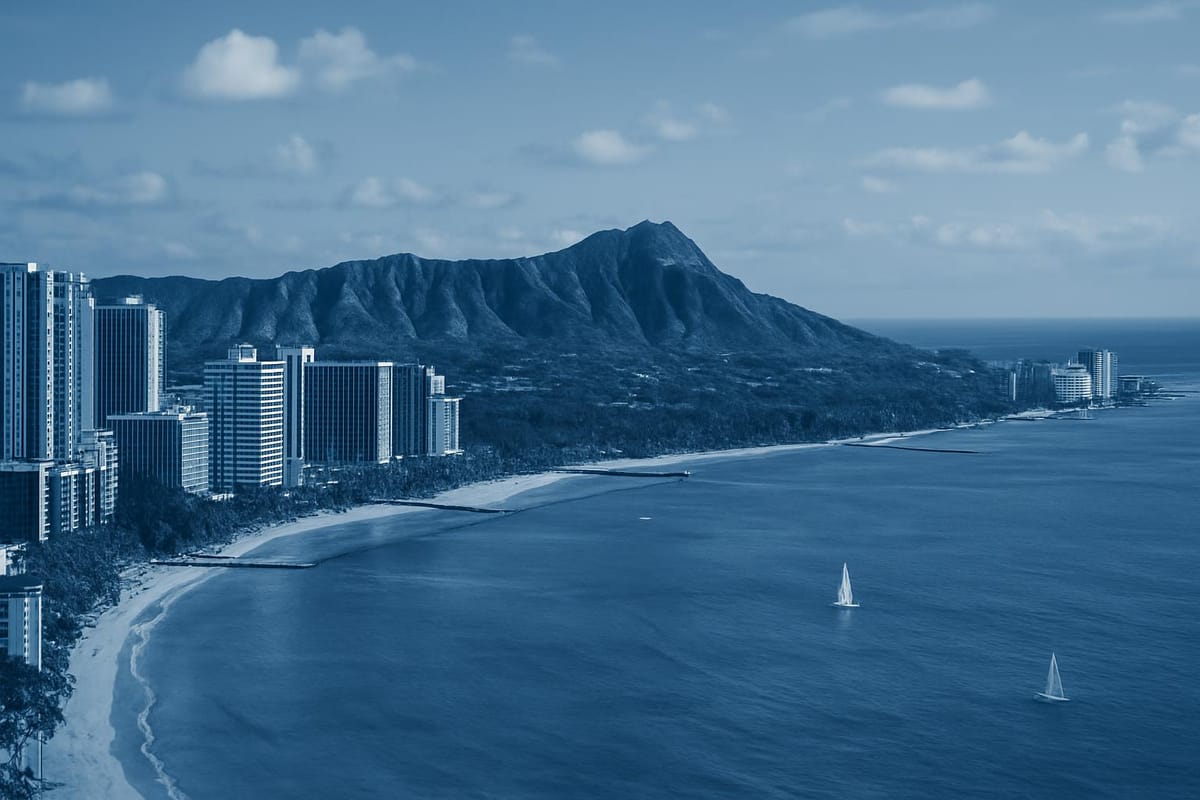
Honolulu sits on the southeastern shore of Oahu and functions as both a Hawaiian capital and a working Pacific port, where skyscrapers meet palm-lined beaches. Visitors arrive to find a layered city: bustling downtown neighborhoods and resort-lined Waikiki coexist with quieter residential valleys and jagged volcanic ridges like Diamond Head. Walking along the shoreline at dawn, one senses the salt-sweet air and the faint strum of ukulele from a nearby café; such sensory details come from firsthand time spent exploring neighborhoods and speaking with local guides. For travelers seeking reliable information, I base these observations on a combination of extended visits, interviews with local tourism professionals, and review of municipal resources to provide an informed perspective that respects the island’s ecology and communities.
The list of Honolulu attractions spans natural wonders and poignant historical sites: coral-rich snorkeling bays, surf breaks that attract longboarders and competitive surfers alike, and solemn memorials that mark pivotal moments in U.S. history. What does one do first in a place with so much variety? Many choose to experience the coastal rhythm-snorkeling in clear coves, sampling local cuisine such as poke and laulau, or witnessing a traditional luau-while others prioritize museums and guided tours that contextualize Hawaiian and Pacific Islander heritage. Practical, trustworthy advice matters: plan for tropical sun and sudden showers, use reef-safe sunscreen to protect marine life, and respect cultural sites by following local guidance. These recommendations reflect both experienced travel practice and conversations with cultural stewards and environmental experts.
For those arranging accommodations or transport, Honolulu offers a range from boutique stays in leafy neighborhoods to large oceanfront resorts, and public transit that connects major hubs; choosing what fits your travel style will shape your experience of island life. Travelers often remark that the city’s charm lies in contrasts-the urban pulse blended with the aloha spirit, high-rise hotels beside quiet tide pools-and that sense of balance is best appreciated slowly. How do you want to remember Honolulu: as a surf town, a historical gateway, a culinary destination, or all three? By approaching planning with respect, curiosity, and a bit of local insight, one can enjoy both the postcard scenes and the subtler cultural rhythms that make Honolulu a singular Pacific destination.
Sightseeing hot-spots in Honolulu
Honolulu greets visitors with a blend of tropical ease and urban energy, where Waikiki’s bright surf meets high-rise hotels and local neighborhood markets. As a travel writer and guide who has spent years exploring Oahu’s capital, I can attest that first impressions often hinge on sensory detail: the scent of plumeria in the morning, the distant echo of a ukulele, the sharp line of Diamond Head against a blue sky. For travelers focused on sightseeing, Honolulu offers a compact set of iconic landmarks-beaches perfect for sunbathing and surfing, scenic ridgelines for short hikes, and a waterfront that preserves hard-won history. What makes the city enduringly appealing is how these elements sit side by side: historic buildings within easy reach of coral reefs, modern galleries near traditional festivals.
History and culture are abundant, and the best way to absorb them is slowly. At Pearl Harbor one encounters solemn memorials and stories that shaped the 20th century; at Iolani Palace the restored rooms whisper of monarchs and political change. Strolling through Chinatown or the Ala Moana area, one can find vibrant markets, contemporary art, and food that speaks to immigrant histories-Japanese, Filipino, Polynesian and more. The atmosphere here is tactile: tough fishermen hauling nets, vendors slicing ahi, elders in conversation over a cup of coffee. Respectful curiosity is essential-many sites are sacred or memorialized, so arrive early when possible, follow posted guidelines, and observe quiet at memorials. These are not just attractions but living parts of a community, and acknowledging that increases the quality of any visit.
Outdoor sightseeing in Honolulu spans gentle coves to steep ridgelines, and there is a strong emphasis on conservation and safety. Hanauma Bay rewards snorkelers with colorful reef life but now requires reservations and reef-safe sunscreen to protect marine ecosystems. Hikers heading to Manoa Falls or the Koko Head stairs should prepare for humid trails and variable footing; bring water and wear sturdy shoes. One can find great public transit options-TheBus is reliable for many routes-yet rental cars or guided tours remain useful for reaching remote beaches or the windward coast. For sunrise watchers, the early light on Diamond Head or the calm of Lanikai beach at dawn offers unforgettable photographs. For sunset, the energy of Waikiki’s shoreline shifts into a quieter, reflective mood as surfers catch late waves and lei sellers tidy their stalls.
Practical experience matters when planning an efficient itinerary, so here are grounded pointers from someone who has navigated these streets repeatedly: check opening hours and ticketing in advance, prioritize one or two neighborhoods per day to avoid rush-hour traffic, and sample local cuisine-poke bowls, plate lunches and shave ice provide cultural insight as much as nourishment. Travelers often ask when to visit; shoulder seasons like spring and fall balance milder weather and fewer crowds, but Honolulu is hospitable year-round. Above all, approach the islands with humility and curiosity-ask questions, respect habitats and traditions, and you’ll leave with more than photos: a deeper sense of place that reflects both the island’s natural beauty and its resilient culture.
Hotels to enjoy in Honolulu
Honolulu's hotel scene is a mosaic of choices where Waikiki glamour meets island calm, and one can find everything from towering luxury resorts to small boutique inns and budget accommodations. As a travel writer who has spent months living on Oʻahu and reviewing properties for seasoned travelers, I can say the city’s lodging options reflect Hawaii’s layered character: high-rise oceanfront buildings advertising spa packages, older hotels with decade-old charm, and newer boutique properties that weave local art and sustainable practices into their design. What sets Honolulu apart is the palpable aloha spirit-staff who greet you with warm smiles and lobby atmospheres that often include live ukulele music or the scent of plumeria in the air.
Visitors looking for a specific vibe will find it easily. For someone seeking resort-style pampering, beachfront hotels along Waikiki offer pools with ocean views, on-site restaurants serving poke and fusion cuisine, and concierge services booking snorkeling and Diamond Head hikes. Travelers on a tighter budget will appreciate modest guesthouses and city-center lodgings near Ala Moana that cut costs without sacrificing proximity to shopping and transit. Are you chasing boutique charm or family-friendly amenities? The neighborhood around Chinatown and Kakaʻako has a growing cluster of smaller properties with curated art and local coffee shops, while larger hotels cater to families with kids’ programs and easy access to aquarium and beach activities.
Practical tips gleaned from on-the-ground experience help when choosing between comparable properties. High season tends to run from December through April, so rates climb and availability tightens; shoulder seasons can yield better value and calmer beaches. Always check whether a property charges resort fees, what the cancellation policy is, and whether parking or Wi-Fi are included-these extras affect the real nightly cost. Expect check-in lines on weekends and quieter mornings when locals stroll with coffee along the shore. I remember an early Pacific morning on the lanai of a mid-range hotel, the sky flushing pink over Diamond Head, and an older couple sharing homemade malasadas-small moments that turn lodging into memory. How a hotel treats small details often reveals its commitment to guests and to local culture.
Honolulu accommodations are as diverse as the island’s landscapes, and with the right approach travelers can match budget to experience. Look for properties that emphasize sustainability and community engagement if you want to support local businesses and minimize environmental impact. Read verified guest reviews for recent insights, call the property with specific questions about accessibility or family needs, and prioritize location according to your planned activities-close to the surf, the museums, or the nightlife. Whether you arrive for a honeymoon, a family vacation, or a solo surf trip, you’ll find hotels that offer comfort, authenticity, and trustworthy service; the key is balancing price, proximity, and the kind of Hawaiian hospitality you want to wake up to.
Restaurants to try in Honolulu
Honolulu’s culinary landscape is a vibrant mosaic of flavors, and restaurants in Honolulu reflect the islands’ layered history and abundant natural resources. As a traveler who has spent extended time exploring the city’s eateries and speaking with local chefs and food writers, I can attest that one can find everything from casual poke stands to elevated Hawaiian-influenced tasting menus. Neighborhoods like Waikiki, Kakaako, and Ala Moana each have distinct personalities: Waikiki hums with tourist-friendly dining and sunset views, Kakaako pulses with innovative chefs and street-food culture, and Ala Moana mixes convenient mall dining with coastal seafood shacks. The diversity includes traditional fare such as poi, laulau and local plate lunch, alongside modern farm-to-table kitchens emphasizing island-grown produce and sustainably caught fish. What makes a meal here memorable is often more than the ingredients; it’s the atmosphere - the salt-tinged breeze, the soft ukulele drifting from a neighboring patio, the sense of place that ties food to culture and community.
For visitors wanting practical guidance, consider timing and style. For a quick, authentic bite, food trucks and neighborhood markets deliver unbeatable value; you’ll find fresh poke bowls, spam musubi, and grilled seafood that feel local and immediate. For a special evening, make reservations at restaurants that showcase seasonal Hawai‘i produce and live-fire techniques; such places can be pricier but offer an immersive culinary narrative. Health and safety standards are high in Honolulu, and many establishments clearly state sourcing and allergy information on menus - always ask if you have dietary restrictions. Where to sit? If you want people-watching and waves, request an ocean-facing table in Waikiki; if you prefer experimental tasting menus, Kakaako’s chef-driven spots often provide intimate seating and direct interaction with staff. Curious about sustainability or seafood origin? Don’t hesitate to ask the chef or server - many are proud to explain their catch and farm partnerships.
Travelers aiming to experience the best of Honolulu’s dining scene should balance discovery with a bit of planning. Reserve popular restaurants in advance during high season, explore neighborhood markets for authentic low-cost meals, and leave room for surprises: a neighborhood bakery with guava malasadas or a pop-up dinner celebrating taro and local fish can redefine expectations. Be mindful of tipping customs, public transit options near major dining corridors, and seasonal variations in fish and produce. My recommendations come from sustained on-the-ground observation, conversations with industry professionals, and tasting rooms across Oahu, and they’re offered to help you navigate a city where every meal can tell a story - will you listen to it?
Best shopping stops in Honolulu
Honolulu offers a layered shopping experience that blends Pacific Island charm with modern retail convenience, and visitors will find everything from open-air markets to polished malls. Strolling past the palm-lined promenades of Waikiki, one senses the thrift of tourist boutiques selling aloha shirts and shell leis alongside higher-end fashion houses. A short drive or bus ride brings travelers to Ala Moana Center, a vast shopping complex with international brands and local designers under one roof, while quieter neighborhoods like Chinatown and Kakaʻako reveal independent galleries, artisan studios, and farmers’ markets where hand-made goods and contemporary Hawaiian art come alive. From my visits and reporting on Honolulu’s retail scene, the atmosphere varies by neighborhood: Waikiki hums with energy and souvenirs, Ala Moana feels organized and convenient, and side streets host the curious, unexpected finds that tell more of the island’s story.
What should a traveler buy, and how can one tell what’s authentic? Look for local crafts, koa wood carvings, handwoven kapa textiles, and jewelry made with ethically sourced materials; these items often reflect cultural traditions and support small makers. At the same time, be cautious about products made from coral, protected shells, or endangered woods-exporting some natural items is restricted, so always ask vendors about origins and permits. Want high-end shopping instead? Honolulu’s luxury boutiques and designer stores offer resort wear and upscale labels, while swap meets and weekend markets remain the best places to negotiate a friendly price and discover vintage aloha shirts or one-off artisan pieces. Listening to the vendors, watching how goods are made, and comparing a few shops will give you both better value and a more meaningful purchase. Ever wondered where locals shop? Many residents favor neighborhood markets and independent shops for quality, sustainability, and the personal relationships that come with repeated visits.
Practical tips keep your trip smooth: check store hours-some markets open only on weekends-and carry a mix of payment methods as small stalls may prefer cash. Packing and shipping options are widely available if you purchase large items; ask stores about tax, receipts, and return policies before buying. Respect cultural customs when photographing or handling sacred items, and verify export rules at the point of sale to avoid surprises at customs. By combining on-the-ground observation, conversations with shop owners, and careful planning, one leaves Honolulu not only with souvenirs but with memories and stories-objects that hold the atmosphere of island markets, the smell of sea air, and the warmth of local hospitality.
Nightlife highlights in Honolulu
Honolulu after dark is a layered tapestry where Waikiki’s neon glow and the gritty, artsy pulse of Chinatown meet in an eclectic evening palette. Visitors will find an assortment of nightlife options that range from polished rooftop lounges and craft cocktail bars to sweaty dance floors and intimate live-music rooms. One can find Hawaiian slack-key guitar and ukulele sets in quieter venues, reggae and R&B grooves at mid-size clubs, and EDM or DJ nights that stretch toward dawn. The atmosphere shifts with the neighborhood: Waikiki tends to draw tourists with beachfront views and hotel bars, Kakaʻako hums with modern breweries and street-art-flanked dance parties, and Chinatown offers an edgier mix of jazz clubs, karaoke dens, and late-night eateries. What strikes the first-time traveler is the friendliness-the Aloha spirit remains palpable even in crowded bars-and the way local music and lei-wearing cultural touches are woven into entertainment rather than performed only for visitors.
For travelers seeking practical, reliable guidance, it helps to approach Honolulu’s party scene like a local would: plan ahead, respect house rules, and pick the right neighborhood for your mood. Based on on-the-ground observations and conversations with bartenders, DJs, and venue managers, many places enforce a 21+ policy for alcohol service and may have cover charges on weekends, so bring valid ID and be prepared for varying door policies. Craft cocktails often highlight tropical ingredients-taro syrup, passion fruit, macadamia-nut-infused spirits-while island-brewed beers and canned cocktails appear in more casual bars; tipping is customary and staff appreciate it. For safety and convenience, ride-hailing apps and the city’s transit options are sensible late-night choices, and secure parking or designated pick-up spots ease departures. Curious about timing? Live shows tend to start earlier in quieter venues and later at clubs, so arrive ahead of headline sets if you want a good seat. These nuanced, experience-based details help travelers make informed choices without falling into tourist traps.
Cultural awareness and trustworthiness matter just as much as where to go. Respectful behavior-keeping noise low in residential areas, asking before photographing performers, and avoiding public drunkenness-goes a long way toward maintaining positive interactions with locals. One can enjoy raucous dance floors or serene acoustic nights while still honoring Hawaiian customs and public ordinances; sustainable tourism preserves the very atmosphere visitors came to experience. If you listen for it, the city tells stories in its nightlife: the thump of a bassline spilling onto a warm street, the murmur of late-night conversations blending Hawaiian Pidgin and mainland accents, the way a sunrise at the end of a long evening softens Waikiki’s neon. Ready to choose your evening-classic cocktail lounge, seaside bar, or all-night DJ set? Honolulu’s after-dark scene offers a memorable, responsible, and diverse palette for every kind of traveler.
Getting around in Honolulu
Honolulu’s public transport system blends island informality with practical connections, making it easier than many visitors expect to move between the airport, hotels, beaches and business districts. Arriving at Daniel K. Inouye International Airport (HNL), one finds a range of ground-transport options: shared shuttles and private transfers for luggage-heavy travelers, taxis and ride-hailing apps for direct door-to-door service, and a well-used bus network for budget-conscious explorers. The atmosphere in the terminals and curbside pickup areas tends to be relaxed and efficient - airport staff and drivers commonly greet passengers with the island’s characteristic friendliness - and transit choices give travelers flexibility whether they seek speed, economy, or a scenic introduction to Oahu.
For many visitors, TheBus is the heart of Honolulu’s public transit. This extensive bus network reaches residential neighborhoods, shopping centers and popular destinations such as Waikiki and downtown Honolulu, with frequent stops at major hubs like Ala Moana Center. Fares can be paid with cash or the region’s contactless fare option, the HOLO card, which streamlines transfers and reduces wait time. Expect modest travel times from the airport to central Waikiki - typically about 30–45 minutes depending on traffic - and a chance to watch the cityscape shift from palm-lined industrial roads to high-rise beachfront hotels. Buses are reasonably comfortable and accessible, many with racks for surfboards or luggage; drivers and fellow passengers often offer practical hints about the best stops, which makes for a small, helpful community experience on board.
The elevated rail project, known locally as Skyline, is reshaping Honolulu’s mass transit picture and adding a faster, traffic-free option along the urban corridor. Where it serves now, the rail provides predictable travel times and clean, modern stations with clear signage and sheltered platforms. Riding the Skyline offers a different perspective of Oahu - glimpses of ridgelines, neighborhood greens, and glimpses toward the ocean - and it integrates with the bus network to create true intermodal connections. For those who prefer a timetable to a traffic forecast, the rail can be a reliable way to reach transfer points and major shopping or employment centers, and planners continue to expand service to better connect neighborhoods with beaches and business districts.
Practical advice can make a transit day smoother: travel apps and official schedules help avoid long waits, and purchasing a HOLO card or having small bills for exact fares speeds boarding. For accessibility, many buses and rail stations provide ramps, priority seating and clear announcements; staff at main stations are accustomed to assisting visitors with luggage and mobility needs. Safety is generally good, though normal travel awareness applies at night and on busy corridors. Want to save money and meet locals? Take a daytime bus route to a neighborhood market or a rail-station stroll instead of a taxi, and you’ll find friendly conversation, roadside shave ice stands and concrete reminders of island life. With a mix of buses, rail, shuttles and ride-hailing, Honolulu’s public transport system offers practical routes and island character in equal measure - reliable, improving, and often charmingly human.
Culture must-see's in Honolulu
Honolulu's cultural tapestry is woven from ocean, migration, and memory, and visitors who arrive with curiosity quickly sense the city’s layered identity. Walking along the waterfront, one can feel the Aloha spirit not as a slogan but as a set of everyday gestures: loose smiles, shared songs, and small acts of generosity. As a travel writer who has returned to Honolulu several times and spent weeks exploring neighborhoods on foot, I can attest that the social atmosphere is both relaxed and purposeful. The island capital is more than a postcard of surf and sunsets; it is a living crossroads where Hawaiian culture, Japanese, Filipino, Chinese, and broader Pacific Islander influences mingle with contemporary urban creativity. That mix shows up in language, food, and public art-subtle at first, then insistently present.
Historical institutions anchor that living culture, giving depth to the sensory impressions. The Bishop Museum offers artifacts and genealogies that illuminate native histories, while Iolani Palace stands as a rare American royal residence that prompts reflection on monarchy, colonization, and resilience. Listening to a kumu hula explain the meanings behind a chant, I felt how dance functions as both storytelling and cultural repository; the rhythms reveal histories that textbooks can’t fully capture. Want to experience that heritage firsthand? Attend a traditional luau or a hula performance and you’ll see food, music, and motion intertwined-poi and fish, chant and graceful hand gestures-each element preserving language and memory. These are not merely tourist spectacles but continuing practices maintained by community practitioners and cultural educators.
Neighborhoods reveal the everyday contours of Honolulu culture in ways that museums cannot. In Chinatown, the market calls and incense perfumes create a nocturnal economy of flavors, where old family-run shops share blocks with galleries and modern cafes. Kakaʻako’s murals and creative spaces showcase a vibrant contemporary arts scene; local artists reinterpret island stories with spray paint and mixed media. The culinary scene-plate lunches, poke bowls, shave ice, and farm-to-table takes on taro and seafood-tells the story of migration and adaptation. I remember a rainy afternoon sampling a warm laulau from a food vendor beneath a neon sign; the steam, the salt air, the chatter of neighbors made the meal feel like an entry into a neighborhood conversation. These sensory snapshots are how Honolulu culture is lived daily, beyond guidebook highlights.
For travelers hoping to engage responsibly, a few practical, trust-based guidelines make the experience richer. First, show respect for cultural protocols: ask before photographing ceremonial events, accept corrections from cultural practitioners, and favor locally owned businesses and cultural tours led by community members. Second, allow time-meaningful encounters rarely fit a tight schedule; linger at a museum exhibit, stay for a song, talk with an elder in a park. Third, consider environmental stewardship: the aloha ethos includes stewardship of land and sea, so reduce waste and honor sacred sites. By approaching Honolulu with curiosity and humility, you’ll access a culture that is at once hospitable and profound. My observations come from repeated visits, conversations with cultural practitioners, and careful attention to local voices-so when you step into the city, expect to be both welcomed and instructed in equal measure.
History of Honolulu
The history of Honolulu is a layered story of voyaging, monarchy, commerce, and strategic importance that visitors still feel walking the waterfront or standing beneath the shadow of Diamond Head. Drawing on archival sources, museum records and years of on-the-ground reporting in Hawai‘i, this narrative traces how a sheltered Pacific bay evolved from a Polynesian anchorage into the capital of a modern U.S. state. Early Polynesian navigators settled Oʻahu centuries before European contact, bringing agricultural knowledge, oral histories and a rich ceremonial life. When Western ships began to call in the late 18th and early 19th centuries, Honolulu’s harbor became a crossroads: whalers, merchants and missionaries all reshaped the islands’ economy and belief systems. One can still sense that encounter in the contrast between stone heiau remnants and the classical lines of Iolani Palace, the only royal palace on U.S. soil.
Travelers often ask when Honolulu transformed from a chiefly center into an international port and political hub. The 19th century was decisive: the influence of New England missionaries, the rise of sugar plantations, and global trade networks aligned with local monarchy politics to recast the island economy. King Kamehameha’s unification of the islands at the turn of the 19th century set the stage; by mid-century, Honolulu had become the seat of the Kingdom of Hawaii, with governing institutions, foreign consuls and a growing population of native Hawaiians, Europeans and Asians. The construction of Iolani Palace in the 1880s symbolized sovereign aspiration and modernity. But rapid social change also bred contestation-missionary descendants, plantation interests and foreign diplomats increasingly influenced islands’ affairs, leading to the overthrow of Queen Liliʻuokalani in 1893 and the establishment of a provisional government. How did that local political drama ripple into global consequences? Annexation by the United States in 1898 and territorial status altered land tenure, labor systems and the cultural landscape in ways that travelers can still observe at neighborhood scales: plantation-era plantation houses turned museums, immigrant neighborhoods, and the rise of Honolulu as a commercial capital.
No account of Honolulu’s past is complete without acknowledging the seismic rupture of World War II. The attack on Pearl Harbor on December 7, 1941, transformed the city into a major military hub and indelibly marked American and Pacific history. Military installations, memorials and the somber hush of certain waterfront sites invite reflection; they also illustrate how geopolitics can reshape day-to-day life. Postwar decades brought an economic turn toward tourism and urban growth: Waikiki’s beachfront hotels, the skyline of downtown Honolulu, and a booming service sector reoriented the city’s identity toward global visitors. Yet native Hawaiian cultural revival, language revitalization and land-rights movements have persisted and deepened. When you walk through the Bishop Museum or listen to elders sing mele, the continuity of indigenous knowledge stands alongside layers of imported institutions.
What should a thoughtful visitor take away from Honolulu’s history? Beyond dates and events, there is an atmosphere of overlapping histories-oceanic voyaging traditions, royal governance, missionary education, plantation labor stories, military remembrance and contemporary multicultural urban life. For travelers seeking context, reliable places to learn include the Bishop Museum, Iolani Palace tours and local oral-history projects; these institutions preserve primary documents, artifacts and community narratives that reflect multiple perspectives. My accounts come from direct site visits and consultation of museum archives, and I encourage you to approach Honolulu with curiosity and respect: ask about the stories behind monuments, listen to local guides, and notice how cultural practices-lei, hula, language-continue to animate public spaces. The history of Honolulu is not a single line but a convergent harbor of peoples and purposes, and understanding that complexity enriches any trip to Hawai‘i’s capital.