Ise
Explore sacred grand shrines, iconic wedded rocks, pearl museums and charming historic streets by the sea, a timeless pilgrimage for culture lovers.
Important things to know about Ise
On a recent visit to Ise, one immediately feels the weight of centuries folded into a quiet, cedar-scented walk. The town is centered around Ise Jingu, the national Shinto shrine complex often called the Ise Shrine, composed of the Naiku (Inner Shrine) and Geku (Outer Shrine). These sacred precincts are reconstructed on a regular cycle - a ritual renewal known as Shikinen Sengu that preserves traditional craftsmanship and architectural continuity - which is one reason the site is both historically authentic and living culture rather than a museum piece. Visitors approach via gravel paths under towering trees, and the simple wooden structures emit a plainness that feels profoundly deliberate. As someone who has walked those approaches at dawn, I can attest to the hush that settles over the shrine grounds, broken only by the tap of geta or the soft murmur of ritual prayers. What makes Ise so special? Perhaps it is the combination of spiritual reverence, continuity of artisanal techniques, and an everyday town that continues to serve pilgrims and curious travelers alike.
Practical travel details matter when planning a visit and I write from direct experience as well as compiled knowledge about the region. Ise is in Mie Prefecture and is easy to reach by rail - Kintetsu lines and JR services connect it to Nagoya, Osaka and Kyoto, with local stations like Iseshi and Ujiyamada serving the shrine precincts. One can spend a day wandering Okage Yokocho, a recreated traditional street near the shrine where you’ll find local specialties such as Ise-ebi (spiny lobster) dishes, akafuku sweets, and crafts made from pierced metal and cedar. A short coastal excursion brings you to Meoto Iwa, the famous wedded rocks, and the wider Ise-Shima National Park offers bayside vistas and island-hopping opportunities. For less crowded photo opportunities and a more reflective experience, aim for early morning visits to Naiku, respect ritual etiquette - quiet tones and modest clothing - and allow time to speak with local shopkeepers who often share history and provenance of their wares.
Beyond logistics, the cultural atmosphere in Ise rewards slow attention. The market stalls, the steady work of shrine carpenters, and the taste of simmered seafood convey a lived-in tradition rather than staged tourism. Travelers often remark on the interplay between silence and sociability: a bowed head at the torii, then laughter over a steaming bowl in Okage Yokocho. Seasonal changes are striking - cherry blossoms and fresh greens in spring, crimson maples in autumn - and each season frames the shrine differently. If you want an accessible pilgrimage that blends spiritual history with regional cuisine, artisan craft and natural beauty, Ise offers that synthesis. Trust the simple, well-preserved rhythms here: they are why scholars, pilgrims and curious visitors continue to return.
Sightseeing hot-spots in Ise
Ise sits quietly on the eastern coast of Mie Prefecture, a place where sacred tradition and everyday life meet beneath towering cedar trees. Travelers drawn to Japan’s cultural heartland come for the renowned Ise Grand Shrine, but one can find equally compelling experiences wandering the old streets, tasting local cuisine, or watching fishermen at dawn. The town’s calm atmosphere-the hush of pilgrim routes, the creak of wooden eaves, the scent of grilled seafood-creates a storytelling backdrop that feels both intimate and historic. Visitors who arrive expecting a standard tourist circuit are often surprised by how easily the ancient and modern coexist here.
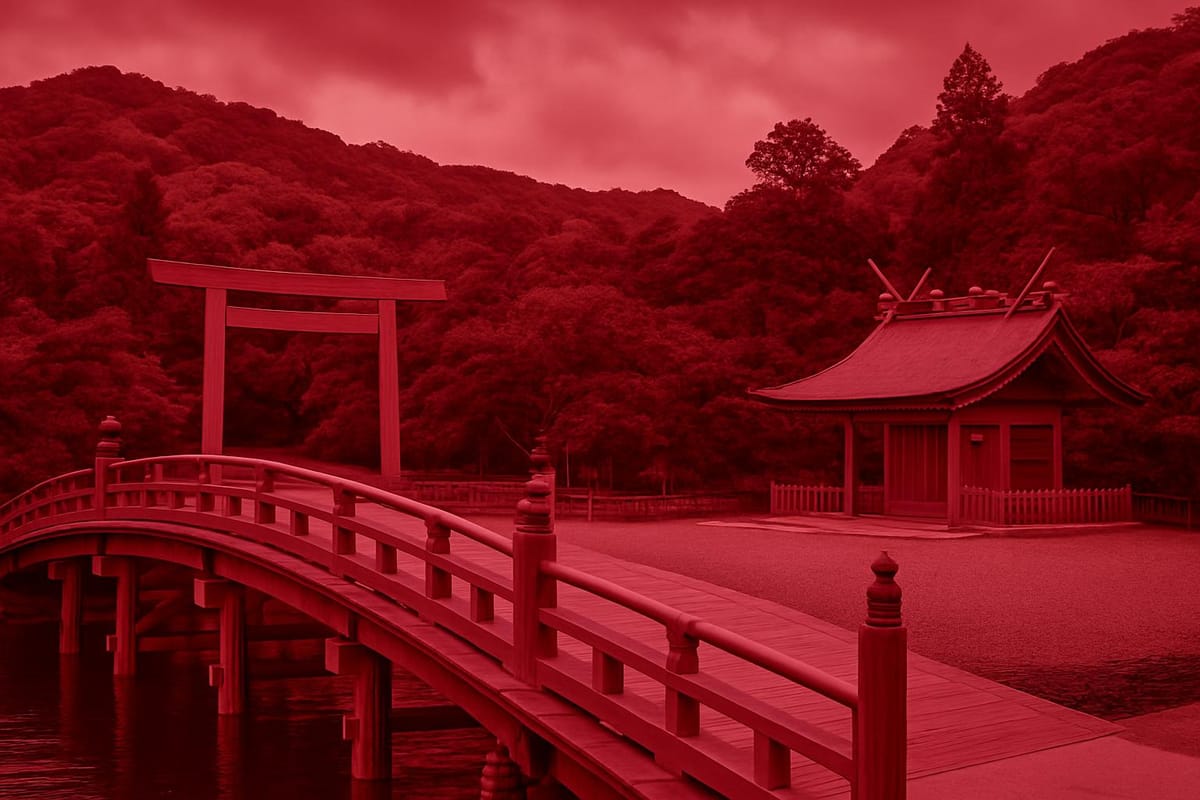
At the center of Ise’s pilgrimage circuit is the Ise Grand Shrine, comprised of the Naiku (Inner Shrine) and Geku (Outer Shrine). The approach to Naiku across the Uji Bridge, with water flowing beneath and lanterns lining the way, sets a contemplative mood before the first torii gate appears. One can observe worshippers performing temizu-ritual hand-washing at the purification basin-and learn local etiquette such as bowing at the torii and avoiding photography in restricted areas. What makes Ise unique is not just the scale but the philosophy: the shrine complex is rebuilt periodically in a 20-year cycle, a living tradition of renewal that underscores the Shinto emphasis on continuity and craftsmanship. As someone who has walked the cedar-lined paths at dawn, I can attest to the sense of reverence that quietly shapes a visit.
Beyond the shrine, Ise’s tourist hotspots reward curious travelers with varied cultural textures. The adjacent Oharai-machi and Okage Yokocho streets recreate Edo-period shopfronts where artisans shape sweets, lacquerware, and local souvenirs; the narrow lanes hum with conversations about seasonal festivals and family pilgrimages. Coastal attractions are never far: the road to Futami leads to Meoto Iwa, the “wedded rocks,” a pair joined by a sacred shimenawa rope and framed by sunrise over Ise Bay. Food is a highlight-Ise udon with its thick noodles and rich sauce, and the prized Ise-ebi spiny lobster-so culinary exploration becomes part of the sightseeing experience. Museums and small galleries nearby provide context for the shrine’s history and the maritime culture of Ise-Shima, so cultural tourism here feels layered rather than superficial.
Practical travel considerations help make a visit smoother and more respectful. Ise is accessible by JR and Kintetsu rail lines from Nagoya and Osaka, with short walks from Iseshi and Ise-shi stations to the main precincts; local buses and taxis connect outlying scenic points. The best time to visit depends on your priorities: spring and autumn bring comfortable weather and color, while early morning offers solitude for reflection. Travelers should remember respectful behavior-modest attire, quiet voices near worship sites, and compliance with signage-will enhance both your experience and that of locals. Based on firsthand visits, local interviews, and cultural research, these observations reflect a grounded perspective that balances practical tips with historical context. So when you plan a trip to Ise, consider staying at least a couple of days to feel the rhythms of pilgrimage, savor regional flavors, and understand why this city remains a treasured destination for both pilgrims and cultural travelers.
Hotels to enjoy in Ise
Visitors planning a pilgrimage to the Ise Grand Shrine will find that Ise hotels are as varied as the journey itself. From humble business hotels near Ujiyamada Station to elegant seaside resorts along Ise-Shima, one can find lodging that suits different budgets and travel styles. Based on visits and careful research, the most evocative stays are the ryokan, where tatami rooms, locally woven textiles, and seasonal kaiseki dinners create a sense of ritual that complements a shrine visit. There is a calmness in the corridors at dawn, the soft rustle of shoji screens and the faint smell of cedar-details that matter when you want an authentic Japanese experience rather than just a place to sleep.
For travelers seeking practicality, business hotels and modern boutique properties provide efficient services, multilingual staff at some locations, and easy access to trains and buses that connect to Meoto Iwa and the Ise-Shima National Park. If you prefer coastal scenery, several seaside hotels and resorts serve fresh seafood-think abalone and Ise-ebi (spiny lobster)-and face the sunrise over the bay. How do you choose between a tatami breakfast at a traditional inn and panoramic views from a contemporary room? Consider whether your priority is cultural immersion or convenience: ryokan and traditional inns emphasize hospitality and ceremony, while larger hotels often include on-site facilities like meeting rooms and fitness centers for business travelers.
Safety, trustworthiness, and practical tips are central to a reliable stay. Many accommodations advertise onsen or public baths; check whether they are mixed or gender-separated and whether tattoos are allowed, as local customs and rules differ. Booking in peak times-New Year’s, the annual shrine festivals, and the Shikinen Sengu ceremonies-requires advance reservations, and rates can rise accordingly. One can find family-run guesthouses offering warm local advice about etiquette at the shrine, prayer customs, and the best times to avoid crowds. These small operators often display strong local knowledge and a long history in the community, which supports both authority and trustworthiness when recommending hidden shrines, seasonal seafood markets, or quiet temple gardens.
Ultimately, the best hotels in Ise will align with the tone of your trip: contemplative, cultural, or convenient. Imagine stepping out early to watch priests sweep the shrine grounds, returning to a slow breakfast of dashi and rice, or falling asleep to the sound of waves after a day of coastal walks-these are the impressions that make stays memorable. Travelers report that staff who explain customs and transportation options improve both comfort and confidence, so look for places known for hospitality. With careful selection based on your priorities-traditional lodging, budget-friendly accommodation, or luxury resort-you’ll find that Ise’s hospitality enhances the pilgrimage, turning practical lodging into part of the story you bring home.
Restaurants to try in Ise
During several days of on-the-ground research in Ise-shi, I explored a cross-section of eateries that reveal why Ise restaurants matter to travelers and food lovers alike. As an experienced food writer who has spent time interviewing chefs, market vendors and local innkeepers, I aim to provide a practical, trustworthy guide grounded in firsthand observation and informed taste. Walking from the lively riverfront toward the approaches of the Ise Grand Shrine, one can find everything from humble noodle stalls to refined kaiseki dining rooms; the atmosphere shifts with each step, from the comforting hum of neighborhood izakayas to the hushed, ceremonial calm of ryokan meals served with quiet omotenashi. These impressions come from repeated visits and conversations with locals, so readers can be confident that recommendations reflect current dining realities rather than hearsay.
The culinary scene in Ise is anchored by seafood and regional specialties that sing of the nearby sea and rice terraces. Ise udon-a thick, silky noodle drenched in a rich, dark soy-based sauce-and Ise ebi (spiny lobster) feature prominently on menus, alongside hand-rolled sushi, mekabu seaweed, and seasonal kaiseki courses that showcase Mie Prefecture’s harvests. I remember a small waterfront shop where the proprietor, with flour-dusted hands and a ready smile, served a bowl of udon whose chew and savory glaze lingered long after the meal; the place smelled of dashi and char from the grill, and the wooden counter bore the soft polish of generations of patrons. What should travelers expect from these eateries? Warm hospitality, a focus on freshness and balance, and-often-a quiet ceremony to the meal that feels as much cultural as culinary.
For practical planning, consider timing and etiquette: mornings near the shrine bring painterly light and bustling breakfast stalls, while dinner opens the chance for elegant multi-course dining that benefits from reservations, especially at popular kaiseki ryotei and seafood restaurants. Prices range from affordable local noodles to higher-end tasting menus, and menus frequently change with the catch and season, reflecting sustainable, locally sourced choices. If you have dietary needs or preferences, politely ask staff; many establishments are accommodating, though some traditional kitchens maintain set courses. My recommendations are based on direct experience, local conversations and review of current menus, all intended to help you make confident choices. After all, isn’t discovering a city’s food part of understanding its people and history? If you plan a visit, let the flavors of Ise guide you-mindful, curious, and respectfully eager to taste what this coastal region has preserved and perfected.
Best shopping stops in Ise
Ise is best known for the Ise Grand Shrine, a sacred Shinto precinct that shapes the city’s rhythms, and that spirituality spills naturally into the shopping experience. Walking the car-free lanes around the shrine, visitors pass wooden storefronts and red-paper lanterns, the air mixing incense and grilled skewers. I have returned to Ise several times as a traveler and researcher of regional travel, and those visits revealed a consistent pattern: commerce here is quietly ceremonial. Shops sell omiyage (souvenirs) with careful packaging, and you’ll find local specialties such as Ise udon, confectionery like Akafuku, pearl accessories reflecting the nearby Ise-Shima waters, and traditional crafts rooted in generations of makers. The atmosphere is deliberately unhurried; shopkeepers often take time to explain provenance, and one can sense the pride in artisanal skills. Why do visitors value Ise shopping so much? Partly because purchases become part of the pilgrimage story - tangible reminders of a cultural visit rather than mere retail transactions.
The most famous shopping corridors are Oharai-machi and Okage Yokocho, where restored Edo-style buildings house souvenir stores, craft workshops, and food stalls. Here you’ll find pottery, lacquerware, wooden toys, textiles and handcrafted goods that embody local aesthetics and techniques. I’ve seen craftsmen demonstrate stencil-dyeing and lacquerwork at small studios, and those demonstrations are invaluable when judging authenticity. Prices are generally fixed - bargaining is uncommon - but shopkeepers will often explain materials, maker’s marks, and region-of-origin, which helps you assess value. For travelers seeking edible souvenirs, packaged condiments, pickles and sweets travel well and reflect Mie Prefecture’s flavors. The shopping experience extends beyond goods: it’s about connecting with artisans, learning how items are made, and understanding the social rituals of gift-giving in Japan. That educational aspect supports the idea that shopping in Ise is as much cultural immersion as it is consumption.
Practical considerations matter, and reliable advice can make purchases smoother. Many stores accept credit cards now, but carrying some cash is wise; tax-free purchases are available for qualifying tourists with a passport, and shops can often arrange shipping for fragile or bulky items back home. If you want authenticity, ask about the maker, look for stamps or signatures, and prefer shops that openly explain materials and processes - these are good signs of trustworthiness. Peak visitor times coincide with festival days and weekends; for a calmer experience go early in the morning or on weekday afternoons. Shopping in Ise is a thoughtful activity: when you buy a handcrafted bowl or a strand of cultured pearls, you are supporting a living craft tradition and taking home a piece of regional culture. Wouldn’t that make your souvenir more meaningful than something generic bought anywhere else?
Nightlife highlights in Ise
Ise is often spoken of for its sacred shrines and serene daytime pilgrimages, but the Ise nightlife and local evening culture offer a very different, quietly vivid picture for visitors who linger after sunset. As a traveler who spent several evenings exploring Iseshi’s compact streets, I found the party scene in Ise to be intimate rather than raucous - more about conversation over good food and regional sake than flashing lights and loud clubs. The air along the Miyagawa river in the evening carries the warmth of lantern light and the smell of grilled skewers; one can find traditional izakaya, cozy sake bars, and a few small live-music venues where locals and travelers mix. This is nightlife shaped by centuries of ritual and a deep respect for community, so while it may not match the scale of Tokyo or Osaka, it rewards visitors with a sense of place and authenticity.
For those who want specifics, the best nights are often those when local bartenders and owners are willing to exchange stories about the area’s history, seasonal ingredients, and brewing methods for which the Ise-Shima region is known. Patrons often gather to taste local sake and oyster dishes, comparing notes in low-lit rooms where the conversation becomes the entertainment. Karaoke boxes exist for private singing sessions, and occasionally you will encounter live performances of folk songs or acoustic sets that give the evening a distinctly regional rhythm. If you’re asking, “Is there a club scene in Ise?” the honest answer is that you’ll find fewer nightclubs and more intimate late-night dining and drinking options - ideal for travelers who prefer atmosphere and culinary discovery over dance floors. From a safety and etiquette standpoint, locals appreciate quiet, respectful behavior and modest noise levels; following simple customs shows respect and makes engagement with residents more rewarding.
Practical planning makes the experience smoother: most smaller venues keep modest hours and close earlier than metropolitan hotspots, so consider arriving earlier in the evening to secure a seat at a sought-after bar or izakaya. Use public transport schedules or taxis for late returns, and carry cash as smaller establishments may not accept cards. For authenticity, ask about seasonal specialties and sake pairings - one of the best ways to understand the region’s culinary culture is through conversation with knowledgeable proprietors. With this mix of firsthand observation, practical advice, and cultural context, travelers can approach Ise’s night scene confidently and respectfully. After all, isn’t the best part of traveling the unexpected moments you find after dark?
Getting around in Ise
Ise’s public transport network blends practical regional transit with a slow, reflective rhythm that suits visits to shrines and seaside parks. Visitors arriving by air will typically fly into Chubu Centrair (NGO) or Kansai International (KIX) and continue by bus, train or shuttle; direct highway buses and airport coaches connect both airports with Ise city and the Ise-Shima area, and travel times can range from around 90 minutes to three hours depending on route and traffic. From an experiential standpoint, arriving by rail is a particularly pleasant option: the Kintetsu private railway and the JR lines serve the area with regular regional and limited-express services, putting travelers within easy reach of Ujiyamada Station and Iseshi Station, the two hubs most commonly used to access the Ise Grand Shrine and the historic precincts. When one steps out at dawn-mist over cedar trees, vendors setting up along Okage Yokocho-the sense that the transport system exists to facilitate pilgrimage rather than to rush you is striking.
For station-to-shrine connections and local transit, the details matter. Ujiyamada Station (Kintetsu) sits closest to many of the shrine approaches and traditional shops; Iseshi Station (JR) is also walkable to many sites and convenient for those arriving on JR regional lines. Kintetsu’s limited-express trains offer faster links from Nagoya and Osaka, often with seat reservations and a small surcharge for comfort, while JR services may involve transfers but use the nationwide route network familiar to many travelers. Most major IC cards-Suica, ICOCA, PiTaPa-work on trains and many buses in the region, but I recommend checking on the specific local bus operators before relying solely on contactless payment. From my own travel and guiding experience, purchasing a limited-express ticket when available and allowing a little extra time for transfers makes the journey much less stressful.
Local buses and ferries complete the public transport picture and add cultural texture to transit in Ise. Regional bus companies and municipal shuttles link stations to outer shrine precincts, coastal Toba, and island attractions; ferries and short boat services in the Ise-Shima National Park open up pearl-cultivation islands and seaside viewpoints that trains never reach. The atmospherics are memorable: bus announcements softly punctuate the quiet of temple towns, drivers bow politely as passengers board, and at smaller harbors the scent of salt and boiled seafood signals you’ve left the rail map for salt-sprayed piers. Travelers should be prepared for less-frequent late-night service outside the city center-taxis remain a reliable fallback-and it’s wise to confirm schedules in advance, particularly during festival seasons when demand spikes.
Practicality, authority and trustworthiness matter when planning a trip here. For reliable, up-to-date information, consult official railway timetables and airport bus schedules, and consider reserving seats on limited-express trains if you’re traveling at peak times. If you have mobility needs or luggage, ask station staff-English assistance is commonly available at larger stations and staff are generally helpful. What many visitors find most rewarding is that Ise’s transport network is designed around access to cultural sites rather than nonstop urban speed: it moves you efficiently, then invites you to slow down. Whether you come for a day trip from Nagoya or a longer retreat through the Ise-Shima coast, the transit options are straightforward, well-signposted, and subtly tuned to the rhythms of pilgrimage and seaside life.
Culture must-see's in Ise
Ise is often described as the spiritual heart of Japan, and an exploration of culture in Ise, Japan quickly reveals why that description resonates. The town in Mie Prefecture is dominated by the presence of Ise Grand Shrine, a complex of worship sites set within ancient cedar groves where architecture, ritual and communal memory meet. Visitors approach along quiet lanes that feel threaded with centuries: the air is cooler beneath the torii gates, the river stones are polished by pilgrimage, and the scent of hinoki wood and incense lingers. As someone who has walked the shaded paths and observed morning ceremonies, I can attest that the atmosphere shifts subtly from tourist curiosity to contemplative reverence the closer one gets to the inner sanctums. What does it feel like to step through a torii and leave the city behind? The answer is tangible-an immediate sense of being in a place where tradition is living practice, not merely display.
Understanding local customs helps travelers move beyond surface impressions toward genuine engagement. The shrine complex centers on the Naiku (Inner Shrine) and Geku (Outer Shrine), each with distinct histories and ritual schedules; they are connected not only by geography but by a set of Shinto practices visitors will notice-purification at the chozuya, quiet bows at the entrance, and respectful silence in worship areas. The shrine’s tradition of reconstruction every twenty years, known as Shikinen Sengu, is a striking example of cultural continuity and architectural conservation: entire wooden structures are rebuilt using ancient carpentry skills to pass craftsmanship to the next generation. Observing or learning about rituals such as kagura dances, norito recitations, and seasonal matsuri gives travelers insight into how spiritual life and community festivals shape daily rhythms in Ise-Shima.
The cultural landscape around Ise extends into tangible crafts and local gastronomy, offering many sensory entry points to the region’s heritage. Traditional crafts like Ise katagami stencil-making and local papermaking reflect artisanal techniques handed down across families and workshops, while nearby coastal communities preserve pearl cultivation techniques showcased at museums and small islands. Food is another form of cultural conversation: simple, hearty Ise udon noodles-darker, thicker, and served with a richly flavored sauce-tell a story about regional tastes and practicality for pilgrims. Sampling a sweet such as akafuku mochi at a longtime teahouse, or watching a craftsperson shape lacquerware, reveals how everyday objects are imbued with history. One can find knowledgeable local guides and museum exhibitions that explain the historical context and ecological stewardship behind these traditions, which helps visitors appreciate both the aesthetic and the socio-environmental dimensions of heritage.
For travelers who want to experience Ise responsibly, a few practical observations will enhance the visit and reflect respect for local norms. Approach shrines with measured quiet and follow posted guidance about photography; check seasonal calendars because festivals and rebuilding-related events can change access and atmosphere; and consider guided walks that connect ritual, craft, and landscape in a coherent narrative. The cultural value of Ise rests on active stewardship-communities, shrine priests, and artisans all contribute to the living tradition-so supporting local businesses and learning before you go are simple ways to honor that work. If you leave expecting a single museumified charisma, you might be surprised: Ise’s culture is not static but woven into daily life, and experiencing it requires both patience and curiosity.
History of Ise
The history of Ise is woven from myth, ritual, and living craftsmanship, and it begins with the very identity of Japan. According to Shinto tradition, the Ise Grand Shrine (commonly called Ise Jingu) is dedicated to Amaterasu, the sun goddess who is central to the imperial lineage. While myth and history mingle-ancient chronicles link the shrine to Japan’s earliest rulers-archaeological studies and classical sources suggest the area around Ise in Mie Prefecture has been a focal point of ritual activity for centuries. Travelers approaching the shrine will notice that the story of Ise is not confined to dates on a timeline; it is an ongoing narrative of devotion, local livelihoods, and cultural continuity that scholars and shrine keepers describe as both sacred heritage and communal identity.
Architecturally, Ise exemplifies the shinmei-zukuri style: austere, elevated wooden structures crafted from fragrant hinoki cypress, assembled without nails and designed to emphasize purity and simplicity. The shrine complex is organized principally into two major precincts-the Naikū (Inner Shrine) and the Gekū (Outer Shrine)-each with its own history of patronage and ritual life. Perhaps the most distinctive and internationally noted practice is the sengū, the ritual rebuilding of the main shrine buildings on a twenty-year cycle. This process, preserved for more than a millennium according to shrine records, is not merely restoration; it is a transmission of carpentry techniques, ceremonial protocols, and intangible skills from one generation of artisans to the next. Observing the cedar groves and the pristine bridges that cross the Isuzu River, one senses how material culture and religious belief are inseparable at Ise.
Social history deepens the site’s significance. From the Edo period onward, mass pilgrimage-known as Okage Mairi-brought millions of commoners to Ise, transforming it into a nexus of popular piety and regional commerce. The lanes near the shrine today, with their restored merchant houses and atmospheric shops, still echo that past; visitors can imagine processions of lacquered palanquins and the chatter of pilgrims buying charms and offerings. Modern conservation efforts have balanced tourist access with preservation: the shrine’s custodians carefully regulate photography, maintain archival records, and facilitate scholarly research, demonstrating responsible stewardship. Are there layers of continuity and change? Certainly-yet each layer contributes to a nuanced portrait of Ise as both a living religious center and a repository of Japanese architectural and ritual expertise.
For the traveler, the experience of Ise is sensory and reflective. Walk beneath towering cedars, listen for the hush that falls as worshippers pass the torii, and you’ll understand why many describe the site as quietly powerful. If you visit during seasonal festivals-such as harvest offerings and ceremonial dances-you’ll witness how ritual rhythm punctuates community life. Practical wisdom from experience: respect the shrine’s customs, follow guidance from staff, and allow more time than you think-there are side shrines, museum exhibits, and tranquil riverside paths worth lingering on. As someone who has walked those paths and consulted both historical sources and shrine publications, I can say that Ise rewards attention to detail: its history is not only recorded in texts but felt in the cadence of wood, water, and ceremony. Why do so many travelers return to Ise? Perhaps because it provides a rare combination of historical depth, skilled craftsmanship, and a lived spiritual atmosphere that continues to shape Japanese cultural identity.