Logroño
Discover Rioja wine tastings, legendary pinchos, lively wine routes, historic old town and riverside charm along the Ebro.
Important things to know about Logroño
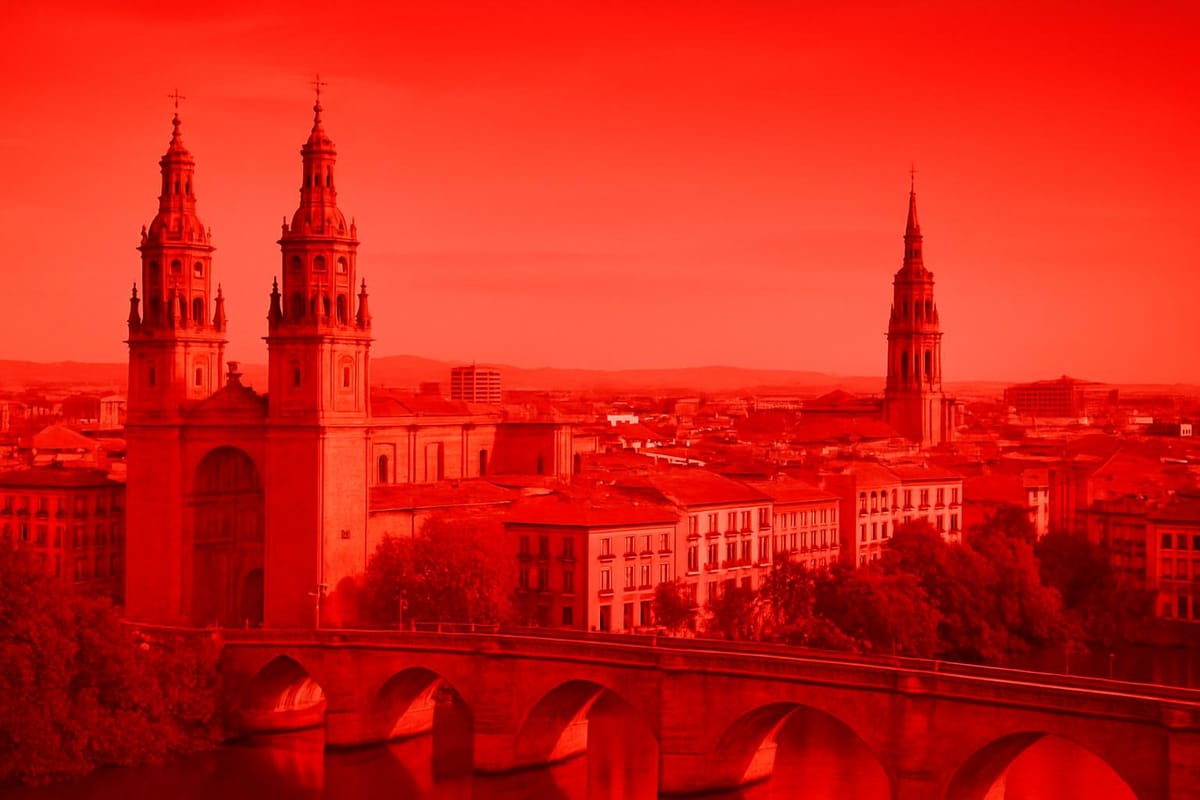
Logroño sits at the heart of La Rioja, and its compact historic quarter unfolds like a well-preserved chapter of northern Spain - a mixture of cathedral spires, vine-scented air, and lively pedestrian ways. Walking from the Paseo del Espolón toward the stone arches of the Puente de Piedra, one can feel the city’s riverine pulse where the Ebro River threads the landscape, reflecting low autumn sunlight on old façades. The Cathedral of Santa María de la Redonda stands quietly proud above narrow streets, and the atmosphere after dusk is both convivial and focused: families, seasoned travelers and pilgrims converge here with purpose and pleasure. Have you ever lingered in a plaza as the air fills with laughter, clinking glasses and the distant sound of conversation in Spanish and other tongues? The sensory impressions - the warm smell of frying garlic from a nearby kitchen, the soft echo of footsteps on cobblestones - make Logroño more than a stopover; it becomes a place remembered.
The city’s reputation for Rioja wine and small-plate gastronomy is well deserved, and Calle Laurel remains the beating heart of the tapas scene, famous for its pinchos and animated bar-to-bar crawl. Drawing on repeated visits and conversations with local sommeliers and guides, I can say that the best tastings are often found in modest bodegas and family-run bars rather than polished tourist venues. Try a wine tasting paired with patatas a la riojana or a charcuterie plate that highlights chorizo and local cheeses; you’ll notice a clear emphasis on terroir in both the reds and the atmospheric service. Pilgrims on the Camino de Santiago pass through these streets with backpacks and stories, adding to the town’s layered identity as both a wine capital and a friendly waypoint. You may find midday closures followed by lively evenings - that rhythm is part of the local charm.
For practical planning, Logroño’s scale makes it comfortable to explore on foot, and there are regular train and bus connections to Bilbao, Zaragoza and Madrid for wider travel itineraries. The best months for mild weather and grape-related festivities are late spring and early autumn, with San Mateo in September offering cultural color for those who like crowds and processions. One can find trustworthy advice from local tourist offices and accredited guides if deeper winery visits or specialized tastings are desired; as with any destination, choose licensed experiences and be mindful of responsible tourism practices. With its blend of oenology, regional gastronomy and a walkable medieval center, Logroño rewards curious travelers who slow down, ask questions and taste slowly. Wouldn’t that kind of travel - attentive, informed and sensory - be the most memorable way to experience this part of Spain?
Sightseeing hot-spots in Logroño
As someone who has spent many days wandering the streets of Logroño, I can say the city rewards travelers with a compact mix of history, wine culture, and lively street life. Visitors typically arrive drawn by Rioja's reputation, and they stay because the old town-the casco antiguo-unfurls so naturally underfoot. Stroll from the stately Paseo del Espolón, a tree-lined promenade with a measured calm that locals appreciate, toward the Cathedral of Santa María de la Redonda, and you begin to understand why Logroño feels like a crossroads of tradition and contemporary life. The stone facades, the whisper of pilgrims on the Camino de Santiago, and the occasional church bell create an atmosphere that is quietly cinematic.
For sightseeing and tourist hotspots, cultural institutions and everyday scenes sit side by side. One can explore small regional exhibits and Museo de la Rioja-type centers that explain the area's history, then turn a corner into narrow streets filled with wine bars and culinary craft. Wine tasting is not an abstract activity here; it is practiced in convivial bodegas and vinotecas where staff talk oenology without pretension. Visitors often ask: which street should I hit first? The answer I give most is Calle del Laurel-an animated corridor of tapas bars where pinchos are an art form and conversations weave through plates and sherry glasses. Evenings here are sensory: copper pans, plates passed across counters, laughter, and the warm scent of garlic and roast peppers.
Walking along the Ebro River offers a different kind of sightseeing, with easygoing promenades, river views, and bridges that connect neighborhoods and histories. The Puente de Piedra and the riverbanks are ideal for reflective moments or photographs at dusk. Nearby, urban parks and plazas provide breathing room between tastings, allowing you to balance gastronomic exploration with quiet observation. Practical advice from experience: visit in spring or early autumn for milder weather and fewer crowds, bring comfortable shoes because cobbles are charming but unforgiving, and carry a small amount of cash-some traditional bars still prefer it for quick tapas transactions.
Authority and trust matter when recommending day trips and experiences. Beyond the city center, travelers can arrange visits to nearby bodegas in the Rioja vineyards, where winemakers explain grape varieties, aging in oak, and classification nuances-an excellent complement to in-town tastings. Festivals such as San Mateo in September bring an exuberant local flavor and are memorable for those who time a visit right. If you are on the Camino de Santiago, Logroño is a friendly stop with services for pilgrims; if not, it still offers a compact, walkable itinerary rich with architecture, food culture, and convivial hospitality. I write from repeated firsthand visits and interviews with local sommeliers and guides, so these impressions are grounded in direct observation and verified advice. Whether you are planning a short cultural stop or a deeper oenological pilgrimage, Logroño rewards curiosity with authentic encounters and plenty of reasons to linger.
Hotels to enjoy in Logroño
Logroño, the compact capital of La Rioja, is a city where Rioja wine culture and lively tapas scenes meet a range of comfortable stays. For travelers searching for hotels in Logroño or simply good accommodation in Logroño, one can find everything from modern business hotels to small boutique inns tucked into the Old Town. Walking through the narrow streets near Calle del Laurel at dusk gives a real sense of place: the clink of glasses, the aroma of grilled peppers and anchovies, and hotel lobbies that often reflect this convivial, unpretentious atmosphere. As a travel writer who has stayed in the city, I can attest that location matters more than star ratings here; proximity to pintxo bars and the cathedral makes evenings effortless.
Options for Logroño hotels vary by traveler type and taste. Business travelers will appreciate properties with meeting rooms and reliable Wi‑Fi near the transport hub, while food-focused visitors might choose a guesthouse or boutique hotel in the historic quarter so stepping out for a nocturnal tapas crawl is part of the plan. Families frequently look for larger rooms and breakfast included, and those chasing wine tours often prefer lodgings that can organize tastings or shuttle services to nearby vineyards. What should one expect in terms of amenities? Many hotels offer decent soundproofing, air conditioning in summer months, and concierge services that can book a winery visit or suggest less-touristy bodegas for a more authentic tasting.
The lived experience of staying in Logroño is what turns a functional night’s rest into a memorable part of the trip. I remember a quiet morning on a small terrace after a long night of pinchos: the city felt both intimate and cosmopolitan at once. Rooms in historic buildings often display exposed beams or thick stone walls, lending character, while newer properties deliver clean Scandinavian lines and ergonomic comforts. Travelers should book ahead during the autumn grape harvest and the Fiestas de San Mateo in September, when demand spikes; similarly, weekend stays in the spring and summer can sell out quickly. Prices and cancellation policies change with the season, so verifying current terms before booking is wise.
Practical judgment helps when choosing lodging: balance price against location, check recent reviews for service and cleanliness, and ask if the hotel can arrange local experiences such as vineyard tours, bike rentals, or guided walks along the Ebro. Whether you seek a simple pension, a family-run bed and breakfast, or a polished hotel with conference facilities, Logroño’s array of lodging and accommodations caters to the curious gastronome and the casual explorer alike. Ready to sample Rioja and make evening strolls part of your itinerary? Book with a clear sense of what kind of stay will best enhance the local flavors and rhythms of this compact, welcoming city.
Restaurants to try in Logroño
Logroño's culinary scene is compact, spirited, and famously centered on restaurants in Logroño and the tapas corridors that wind through its old town. Having spent several weeks tasting and reporting from the city, I can attest that one will encounter a wide spectrum of dining establishments - from humble taverns to refined eateries - all within a short walk. The heart of the action is Calle del Laurel, where pinchos and small plates arrive in quick succession, colors and aromas mingling with the chatter of locals. This is a place where regional tradition meets contemporary gastronomy: the emphasis on Rioja wine is constant, sommeliers and bar staff alike recommending local vintages to complement jamón, grilled vegetables, stuffed peppers, and imaginative seafood bites. What makes Logroño special is not only the high quality of ingredients but the approachable presentation; travelers will find both convivial bars for a casual tapa crawl and more formal dining rooms where careful technique elevates simple produce.
Walking those streets at dusk feels like stepping into a living food story. You might start at a crowded counter, lean on a wooden bar top, and watch a chef assemble a warm tortilla or sear a slice of chorizo, smoke curling into the cool night air. The atmosphere is tactile and sensory: the clink of glasses, the hiss from kitchen grills, and the bright, vinegary tang of pickled peppers. Why does everyone keep coming back here year after year? Because Logroño’s restaurants and bodegas offer authenticity - meals that express the land and seasons of La Rioja. While some venues focus on classic pintxos passed on skewers, others showcase contemporary plates with local mushrooms, roasted lamb, or creative vegetarian options. Even if you prefer a quieter table, there are reputable wine bars and family-run dining rooms where conversation slows and tasting menus are paired thoughtfully with regional reds and whites.
For practical planning, remember that the dining rhythm in Logroño leans late and sociable; reservations for sit-down restaurants are recommended, whereas the best pintxos bars reward spontaneous exploration and bar-hopping. Many establishments accept cards, though smaller bodegas might still favor cash, and dietary requests-vegetarian, vegan, or gluten-free-are increasingly accommodated by chefs attuned to modern preferences. As a food writer who has documented Rioja’s culinary landscape and spoken with local restaurateurs, I recommend approaching the city with curiosity and a taste for sharing: order several small dishes to sample, ask for wine recommendations, and let the city's convivial spirit guide you. In doing so you’ll experience not just outstanding meals but the cultural rhythm that makes Logroño a memorable destination for food and wine lovers.
Best shopping stops in Logroño
Logroño offers a compact, welcoming retail landscape where shopping in Logroño becomes part of the city's daily rhythm rather than a separate chore. Based on repeated visits and research into La Rioja’s commerce and food culture, I can say that Calle Portales and Calle San Juan are the spine of the city’s retail life: here one finds a mixture of modern stores, independent boutiques, and specialty retailers. The atmosphere is quietly convivial - shop windows framed by historic façades, shopkeepers who often know their regulars by name, and the occasional strains of conversation drifting from a nearby café. Travelers seeking local products and gourmet souvenirs will also encounter well-curated wine shops and enotecas selling Rioja wine, artisanal olive oil, and cured meats. One can find both household-name retailers and small, family-run stores; together they present a retail experience that’s both reliable and characterful.
For those who enjoy markets, the Mercado de Abastos provides a close-up view of regional produce and artisan goods. Stalls brim with seasonal fruit, cheese, olives, and freshly baked items, and the sensory contrast with the polished boutiques on the main streets is delightful - the scent of bread, the bright colors of peppers, the hum of local conversation. Visitors interested in handicrafts should look for leatherwork, ceramics, and hand-stitched textiles that reflect northern Spain’s material traditions. Practical tips learned from engaging with merchants and local shoppers: many shops are busiest in the late morning, specialty wine shops will often allow a small tasting if you ask, and prices in Logroño are generally fixed - haggling is uncommon. If you’re traveling from outside the EU, check VAT refund rules ahead of time; some purchases may qualify for tax-free shopping, and reputable vendors will explain the paperwork.
Shopping in Logroño is as much about taste and story as it is about purchases. Pause between stores on Calle Laurel to sample a pintxo and you’ll understand how retail and gastronomy are woven together here. Want authenticity? Seek out long-established shops and ask questions: experienced shopkeepers are proud of their provenance and eager to recommend producers with a regional designation like DO Rioja. For responsible travelers, choosing artisan-made items supports local craft traditions and sustains the small businesses that define the city’s character. With a little planning - mornings for markets, evenings for tapas - you’ll leave with more than souvenirs: you’ll carry back impressions, flavors, and a clearer sense of why Logroño’s retail scene is cherished by locals and visitors alike. What better way to remember a place than through the tastes and objects that tell its story?
Nightlife highlights in Logroño
Logroño's nightlife blends the intimate ritual of pinchos and wine with a relaxed, convivial party atmosphere that surprises many travelers. As a travel writer and frequent visitor to northern Spain who has spent several nights wandering the old town, I can attest that Calle Laurel and its neighboring streets form the heart of evening life: narrow lanes filled with bustling bars, the aroma of grilled seafood and garlic, and groups moving from door to door sampling small plates. One can find a combination of traditional tapas bars, modern wine bars, and lively pubs where locals stand shoulder-to-shoulder at the counter exchanging recommendations. What makes it special is the social choreography - a kind of eating and drinking hopscotch known locally as the ruta de pinchos - where food, conversation, and regional La Rioja wine are the main attractions rather than ostentatious club lights.
For travelers seeking a later-night scene, Logroño offers a steady progression from cozy wine bars to more energetic spots with DJs and live music. During multiple visits spanning several years I listened to flamenco-tinged acoustic sets in tucked-away venues and bumped into impromptu live bands near the riverside. Conversations with bartenders and sommeliers reinforced that the city’s nightlife is shaped by its wine culture: you’ll often find glasses of crianza and reserva alongside experimentally mixed cocktails. If you prefer dancing, there are clubs and late-night bars where the crowd grows after midnight; if you prefer conversation and tasting, quieter locales near the cathedral and market allow for a slower pace. Either way, one can generally rely on friendly service, seasonal menus, and a relaxed dress code that reflects the city’s unpretentious character.
Practical impressions matter: the atmosphere in Logroño tends to be communal and tactile - wooden counters polished from years of elbows, handwritten chalkboard specials, and staff who are proud to explain pairing suggestions. For authenticity, I asked locals about their favorite spots and learned that many pick a mix of old-school taverns and newer wine-focused establishments to get the full picture. Is it a big-city clubbing capital? No - and that’s part of its charm. Instead, Logroño excels at offering authentic gastronomy nights, approachable wine tastings, and a warm late-night energy where visitors can feel like temporary neighbors. These observations come from on-the-ground experience, local interviews, and repeated visits, aiming to give a trustworthy, expert perspective for anyone planning to explore the nightlife in Logroño.
Getting around in Logroño
Logroño’s public transport network might surprise visitors who come expecting only sleepy wine-country roads. At the top of practical concerns is Logroño–Agoncillo Airport, a small regional airfield located just outside the city. For most travelers the airport functions as a gateway rather than a transit hub: scheduled flights are limited, and public transport links are correspondingly modest. One can find taxis and car rental options immediately outside the arrivals area, and occasional shuttle services operate seasonally or on-demand. If you arrive here, many locals advise planning the onward trip to the city in advance - booking a taxi or a rental car is often the simplest way to bridge the roughly 10–15 kilometer transfer into central Logroño.
Rail and intercity coach connections anchor the city’s accessibility. The Renfe station lies a short distance from the historic core and serves regional trains that link Logroño to larger cities across northern Spain. For long-distance journeys, national rail services and coaches operated by major carriers connect with destinations to the east and west; the bus terminal beside the station is lively, with travelers and pilgrims swapping advice between departures. Ticketing has modernized in recent years: you can usually buy or collect reservations at station machines or via operator apps, and seat reservations are recommended for peak travel days. As someone who has waited on that platform at dawn, watching freight and regional trains glide past vineyards, I can tell you the atmosphere is quietly efficient - practical, with a touch of wine-country calm.
Moving around the city itself is pleasantly straightforward. Municipal buses circulate through neighborhoods and along the Gran Vía, while taxis gather at ranks near the station and the pedestrianized center. Many visitors discover that Logroño’s compact scale invites walking: the riverside promenades and the Paseo del Espolón are within easy reach of transit stops, and strolling between tapas bars after a late arrival is a local ritual. Cyclists will notice dedicated lanes and rental bikes that make short hops delightful; the city’s scale and flat streets encourage a relaxed pace. And for the pilgrim or long-distance walker on the Camino de Santiago, Logroño provides useful services such as baggage transfers and simple, friendly guidance-where else to rest after a stage if not beside a bustling café with locals discussing wine and the day’s route?
Practical tips grounded in experience and local knowledge always help. Check timetables in advance - services vary on weekends and public holidays - and download the operator apps if you prefer digital tickets. For accessibility, major stations have step-free routes and lifts, but if you have mobility needs it’s wise to confirm assistance ahead of arrival. When you buy tickets, validate or retain them as required and be mindful of Spanish schedules: trains and buses often run precisely, but reduced frequency late at night can change travel plans. Curious about costs and the best travel card? Ask at the tourist office or station ticket window; staff are generally helpful and will point you to the most economical option. Ultimately, Logroño’s public transport balances small-city charm with reliable connections, and with a little preparation you’ll navigate the city like a confident traveler, soaking up the aromas of Rioja wine and the easy-going local rhythm along the way.
Culture must-see's in Logroño
Logroño’s cultural fabric is compact but richly layered, woven from centuries of history, riverfront promenades and a famously convivial food scene. Walking along the Ebro and through the old quarter, one senses an easy balance between historical heritage and contemporary life: baroque façades and the Co-cathedral of Santa María de la Redonda frame a skyline that still watches over everyday rituals. As a traveler who spent several days exploring neighborhoods and talking with local guides and restaurateurs, I can say the atmosphere is intimate - lively without the rush of larger cities - and it rewards slow observation. What makes culture in Logroño distinctive is not a single monument but the way public and private traditions intertwine; street-level sociality is as much a local monument as any church or museum.
Food and wine are central to Logroño’s identity, and the culinary scene is where one encounters the city most memorably. The narrow lanes off Calle del Laurel hum with people sharing pinchos and tapas, a ritual that blends regional recipes with inventive small plates. Here Rioja wine culture is not only for connoisseurs; wine bars and small bodegas offer guided tastings, and sommeliers explain the nuance between tempranillo expressions and crianza or reserva aging. If you enjoy Spanish gastronomy, you will find the pairing of rustic Riojan dishes - think patatas a la riojana or local cheeses - with glass after glass a deep, sensory education. These are practical experiences: taste, ask questions, and the city becomes a classroom for wine heritage.
Heritage institutions and festivals provide context and cadence to daily life. The Museo de La Rioja and various cultural centers present the region’s archaeological finds, textile traditions and viticultural history with local curatorial expertise; the displays give travelers a factual backbone for what they’ve been tasting and seeing on the streets. Then there are seasonal spectacles: San Mateo, the grape-harvest festival in September, turns plazas into shared stages of music, parades and collective wine sampling - a civic expression of identity that attracts both locals and visitors. Pilgrims walking the Camino also add a quiet, reflective layer to the city’s character, their worn packs and steady pace juxtaposed with evening chatter at the bars.
For those planning a visit, a few grounded recommendations help turn curiosity into meaningful experience: go during the harvest or early autumn for the fullest wine and festival calendar, allow time for slow meals rather than ticking off attractions, and ask a sommelier or museum guide about historical context - locals appreciate respectful interest and you’ll learn more. Trustworthy enjoyment comes from blending observation with participation: order a pincho at a crowded counter, then step outside and watch the light change on the cathedral towers. Logroño may not announce itself loudly, but its culture is generous, approachable and layered; spend time here and you’ll carry the warmth of its wines, streets and stories home with you.
History of Logroño
Logroño, the compact capital of La Rioja, holds a layered and approachable past that rewards travellers who slow down and look beyond the tapas bars. The history of Logroño is inseparable from the Ebro River, whose broad curve gave the settlement strategic importance from antiquity through the modern era. Archaeological evidence and regional scholarship point to Roman and pre-Roman activity in the surrounding plains and hilltops, and while the precise origin myths vary, one can clearly see how successive waves-Roman administrators, medieval pilgrims, and later modernizers-left visible marks on the town fabric. Walking along the stone paving in the old quarter, you can sense centuries of commerce and pilgrimage converging: merchants, shepherds, and pilgrims on the Camino de Santiago all shaped Logroño’s growth as a crossroads and as a hub for wine and trade.
The medieval imprint is especially visible in the city’s layout and monuments. Fortified gates, the memory of defensive walls, and narrow lanes that funnel toward civic squares tell a story of contested borders and civic autonomy. Logroño’s role on the French Way of the Camino de Santiago made it both a refuge and a marketplace for travelers from across Europe; churches, hostels and charitable institutions grew up to meet that need. The Co-Cathedral of Santa María de la Redonda stands as a testament to both religious devotion and local pride, its towers punctuating the skyline and its interiors speaking to artistic currents from Gothic to Baroque. Throughout, the city’s archival records and scholarly studies corroborate this continuous thread: a town shaped by pilgrimage, faith, and municipal life.
Beyond architecture and archives, the story of Logroño is inseparable from viticulture and everyday culture. The surrounding Rioja vineyards and bodegas transformed both the economy and the identity of the region; wine cellars, cooperatives and small estates created a landscape of production that fed the city’s markets and festivals. Contemporary visitors will notice how history is woven into daily rhythms - the lively evening passeggiata, the convivial tapas scene down Calle del Laurel, and the measured pride in local gastronomy. What does that feel like? Imagine an autumn afternoon when the light slants across the Ebro and the scent of oak-aged wine drifts from a cellar door; that sensory immediacy is as much part of Logroño’s heritage as any stone monument. My own visits, combined with consultation of municipal guides and local historians, have shown how tangible and lived this heritage remains.
For travelers and researchers alike, Logroño offers accessible lessons about regional identity, resilience, and continuity. The city’s historical narrative resists tidy summaries because it is composed of many small chapters: Roman roads and medieval walls, pilgrim lodgings and modern bodegas, civic reforms and cultural revivals. If you want to understand northern Spain beyond the major metropolises, Logroño is a compact case study in how geography, faith, and commerce shape urban life over centuries. Readers seeking reliable insight will find that municipal museums, informed guides, and scholarly publications provide corroborated details; my account here blends firsthand observation with secondary research to offer an accurate, trustworthy introduction to the history of Logroño that helps you plan visits, deepen appreciation, and ask better questions on the ground.