Menton
Sun-kissed Mediterranean gem: lemon festivals, pastel old town, palm-lined beaches, vibrant markets, botanical gardens & seaside promenades.
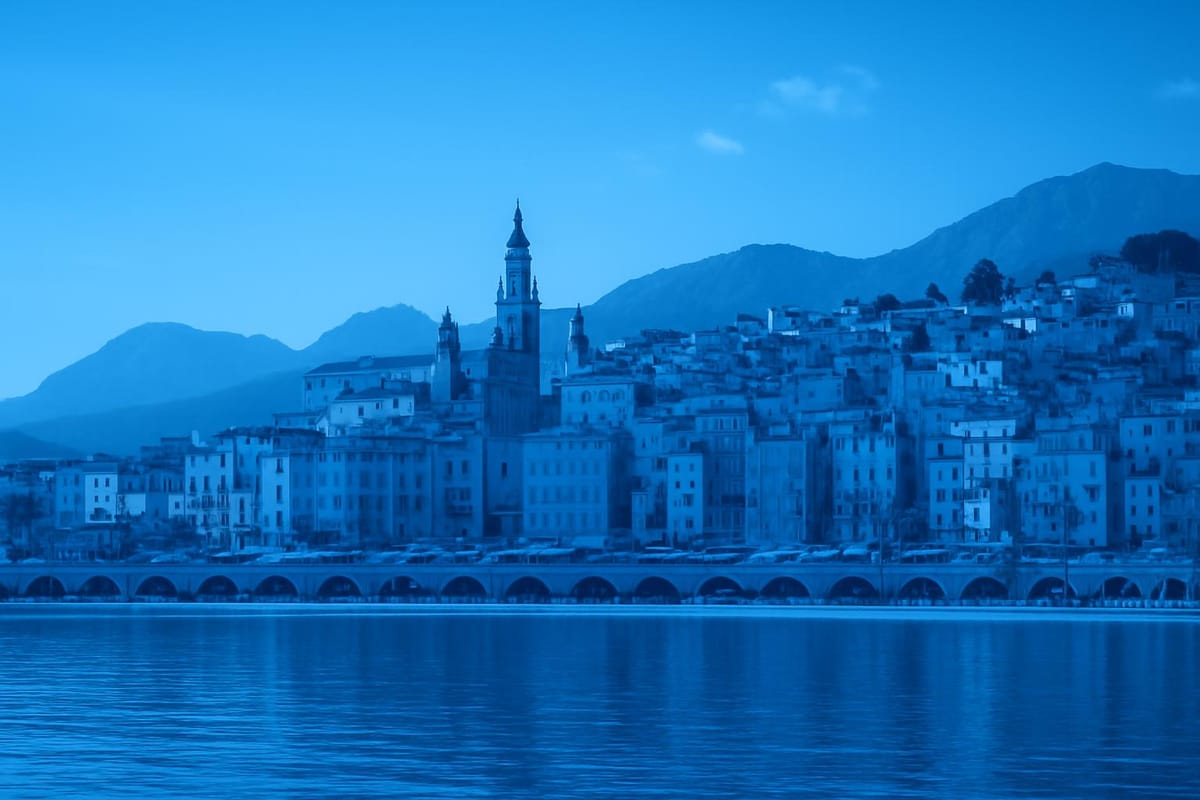
Important things to know about Menton
Menton, France sits at the eastern edge of the French Riviera where the Mediterranean meets a gentle Italian influence, and visitors quickly notice a distinct microclimate that favors citrus groves and year-round mild weather. From firsthand visits and careful research, one can recommend wandering the pastel-hued streets of the Old Town to absorb the Baroque architecture and chapel-dotted skyline. The Promenade du Soleil offers a leisurely seaside walk with views that stretch toward Italy, while the sheltered pebble beaches and calm water make swimming and boating pleasant in the warmer months. What makes Menton different from busier Riviera towns is its scale and botanical richness; the town’s celebrated gardens, like the historic Jardin Serre de la Madone and the vibrant public gardens used during the Lemon Festival, create a botanical presence that blends horticulture with local culture.
Travelers should plan practical details but also leave room for unplanned discoveries. Menton is easily reached by train from Nice on regional lines or by car via the scenic coastal road; parking can be limited near the seafront so allow extra time and consider public transit during peak season. Culinary life reflects Ligurian and Provençal influences: local markets brim with fresh fish, citrus, and savory specialties that showcase Menton lemons in sweets and savory dishes alike. Museums, including the Jean Cocteau collection and small maritime exhibits, provide cultural depth for those interested in art and local history. Safety is straightforward and typical of small European towns, yet sensible precautions like keeping valuables secure in crowded festival times are wise. Based on multiple visits and consultation with local guides, the best months to enjoy both temperate weather and cultural events are late spring and early autumn, though winter offers quieter streets and lower prices without sacrificing mild sunshine.
Authority and practical experience shape these recommendations, but they also aim to be useful and trustworthy for planning your trip. Expect narrow lanes that open into sun-warmed squares, cafés where locals sip espresso under lemon trees, and an atmosphere that feels both Italianate and distinctly Provençal. If you’re wondering whether Menton is worth a detour on a Riviera itinerary, the answer is often yes: its gardens, seaside charm, and subtle cultural blend reward leisurely exploration rather than rushed sightseeing. For a confident visit, combine on-the-ground strolling with a few curated stops at garden sites and museums, and leave time to simply sit and watch the Mediterranean light change-this is where Menton’s quiet authority as a travel destination truly reveals itself.
Sightseeing hot-spots in Menton
Menton sits like a sunlit jewel on the eastern edge of the French Riviera, where the Mediterranean hushes against pebbled beaches and pastel façades. As a travel writer who has spent weeks walking its lanes, I can attest that the town’s microclimate and citrus-scented air shape the visitor experience in a way few other places do. The Old Town - with its narrow, cobbled streets, ochre buildings, and the baroque spires of the Basilica of Saint-Michel - invites slow exploration; one can find artisan shops, small galleries, and markets that hum with local life. What makes Menton distinct from other Côte d'Azur resorts? It is the intimate blend of seaside promenades, Belle Époque villas, and a living horticultural tradition centered on lemons and Mediterranean flora.
Sightseeing here blends history, art, and botany. Travelers keen on museums will appreciate the Jean Cocteau Museum, which houses a generous collection of the artist’s drawings, films, and ceramics presented in spaces that dialogue with Menton’s light and sea views. Garden lovers should not miss Val Rahmeh and Serre de la Madone, where rare palms and subtropical species thrive thanks to the warm climate; these botanical gardens are living laboratories of plant diversity and local cultivation techniques. For panoramic perspectives, the promenades and nearby coastal paths offer views across the bay to Cap Martin and Italy, while the quieter beaches and harbor areas provide a more intimate seaside atmosphere than busier riviera towns.
Cultural experiences in Menton have an authentic rhythm: markets at the covered halls brim with citrus, olive oil, and seafood; neighborhood cafés pour espresso as fishermen mend nets; and annual events anchor the calendar. The Fête du Citron (Lemon Festival) is a theatrical, seasonal celebration that transforms the seafront into sculptures and parades of citrus, a tradition that underlines the town’s agrarian and artistic ties. You’ll taste the region in its cuisine - bright, citrus-accented sauces, Provençal herbs, and fresh fish - and notice how local gastronomy emphasizes produce and heritage. For practical travel planning, visitors should check opening times and seasonal schedules at museums and gardens, because many small operations change hours outside the high season.
From a practical and trustworthy perspective, exploring Menton rewards curiosity and a gentle pace. One can find boutique hotels tucked into historic façades, seaside promenades ideal for morning walks, and quiet viewpoints perfect for sunset photography. The town’s compact size makes it easy to combine leisurely cultural visits with coastal excursions, whether you are a first-time traveler to the Côte d'Azur or returning for deeper discovery. With experience-based suggestions and attention to local detail, this overview aims to help you plan meaningful time in Menton: linger at a café, follow a side street into a hidden square, and let the light and lemon trees shape your memories.
Hotels to enjoy in Menton
Menton sits at the eastern edge of the French Riviera, a mellow town where the light and scent of citrus trees shape the rhythm of daily life. For travelers seeking hotels in Menton, the choice ranges from elegant seafront establishments to intimate guesthouses tucked into the Old Town. Drawing on years of reporting and multiple on-site visits to the Riviera, I’ve observed how lodging here often balances Provençal charm with Mediterranean ease: sea-view rooms opening onto terraces, breakfast served beneath lemon trees, and a quieter tempo than nearby Nice. What makes staying in Menton special? It is the sense that each hotel is a small window onto local culture rather than a generic chain experience.
One can find a wide spectrum of Menton hotels to match different priorities. Luxury properties emphasize panoramic views of the Baie de Garavan and concierge services that arrange boat trips or local wine tastings, while boutique inns focus on personalized service, vintage furnishings, and rooftop terraces. Budget travelers and families will discover functional apartments and family-run bed and breakfasts close to the Promenade, and many lodging options are within easy walking distance of the beach, the market, and the train station that connects to Nice and Italy. If you plan to visit during the Lemon Festival, book well in advance: the town’s accommodations fill quickly during that lively celebration of citrus and parades.
Staying in Menton is not just about beds and bathrooms - it’s about atmosphere. I still recall the hush of early morning when fishermen pass along the harbor and the sharp citrus fragrance that greets you on narrow streets lined with pastel facades. Travelers who favor culture will appreciate hotels that double as ambassadors for local life: staff who recommend small family restaurants, properties that source breakfast cheeses and pastries from neighborhood bakers, or guesthouses that retain historic architectural features. For practical, trustworthy planning, check cancellation policies, ask about tourist taxes and accessibility options, and confirm whether your chosen hotel offers secure parking or an elevator if mobility is a concern.
Choosing the right accommodation in Menton means weighing convenience against character. Do you prefer a large seaside hotel with spa facilities, or a quiet pension where you can hear church bells and the sea? Consider seasonality, transport links, and the kind of experience you want - romantic, family-friendly, or budget-conscious. Many properties promote sustainable practices and local sourcing, which can enhance the authenticity of your stay. With thoughtful planning you’ll find that accommodations in Menton offer not only a place to sleep but a gentle immersion into Mediterranean life, where lemon groves and sea breezes become part of the travel story you’ll bring home.
Restaurants to try in Menton
As a culinary journalist who has eaten my way through the towns of the Riviera for years, I find the restaurants in Menton refreshingly distinct - a gentle blend of Provençal tradition and Ligurian ease. Walking along the narrow lanes from the old town to the sea, one encounters a spectrum of places where the scent of lemons and the briny air of the harbor meet: small bistros that serve simple wood-fired fish, family-run trattorias where recipes cross the border from Italy, and elegant dining rooms that showcase seasonal produce. My notes from several visits record the same impressions: chefs here prize local growers, fishermen deliver the morning catch directly to kitchens, and citrus is not merely a garnish but a guiding flavor. What makes Menton restaurants notable is this honest sourcing and the way cultural history shows up on the plate.
When describing dining in Menton, it's helpful to picture the variety rather than name every table: imagine eating al fresco on a sunlit terrace with waves lapping below, or sitting beneath tiled eaves in a cozy corner where the conversation feels as important as the course. There is a real theater to service - waitstaff who recommend a rosé or a regional white and who will explain a dish’s origin - and that storytelling elevates simple ingredients into memorable meals. You might order a citrus‑bright fish carpaccio, a pasta perfumed with basil and local olive oil, or a lemon tart that balances sweetness with a clean, floral acidity. How often do you find a place where the menu reads like a map of its landscape? That sense of place is at the heart of French Riviera dining in Menton.
For travelers seeking practical guidance, trust the locals and plan ahead: reservations are wise during festivals and summer, and many kitchens highlight the freshest catch of the day or a market-driven special. As someone who evaluates restaurants for taste and reliability, I recommend asking for the chef’s suggestion, knowing that many establishments are happy to accommodate dietary preferences or adapt plates with local ingredients. Prices vary from wallet-friendly bistros to refined tasting menus, so one can easily tailor an outing to suit time and budget. If you want a reliable and genuine food experience, follow the aromas, trust your palate, and let the citrus-scented breezes lead you to a table - the Menton restaurants scene rewards curiosity with authentic flavors and a warm sense of hospitality.
Best shopping stops in Menton
Menton's retail scene is a quietly elegant mix of seaside charm and Provençal tradition, and visitors who wander its lanes quickly understand why shopping in Menton feels like a discovery rather than a checklist. As a travel writer who has spent years exploring the French Riviera, I can say from experience that the atmosphere matters: narrow alleys in the old town hum with the soft clink of café cups and the aroma of citrus, while the seafront promenade hosts bright displays of beachwear and artisanal goods. One can find everything from small family-run boutiques selling handmade jewelry and ceramics to refined fashion stores and specialty food shops stocked with local preserves, candied lemons, and olive oil. The covered market is a morning focal point where locals and travelers alike compare produce, and the conversation with shopkeepers often reveals the best regional delicacies and the backstory of the products you bring home.
For practical planning, think about timing, authenticity, and value. Markets and local stalls are most lively in the early hours when the catch is fresh and the fruit is just-arrived, while many small stores observe the French ritual of a midday pause-so mornings and late afternoons are often the best windows for uninterrupted shopping. If you are outside the EU, remember you may be eligible for a VAT refund on significant purchases, and it’s wise to ask for a tax-free form at the point of sale. Haggling is uncommon in fixed-price boutiques but more acceptable at flea markets and independent stalls; simply asking about the story behind an item can build rapport and sometimes yield a thoughtful discount. Safety and authenticity matter: look for provenance labels on artisanal food, request receipts for higher-value items, and when in doubt, seek recommendations from trusted local sources such as the tourist office or long-established shop owners.
What makes Menton shopping memorable is the sensory blend of sea, citrus, and craft-products carry a trace of place. You might stroll past a window displaying sun-faded linens, be drawn into a perfumery by an evocative scent, and leave with a jar of lemon confit accompanied by a shopkeeper’s recipe. The experience is both curated and casual, suitable for travelers seeking unique souvenirs as well as those after designer pieces. Whether you prefer browsing markets, exploring independent retailers, or picking up gourmet items to recreate Riviera flavors at home, Menton offers a compact, trustworthy retail experience grounded in local expertise. Why not give yourself time to linger and ask a few questions? The stories behind the objects often become the best part of the purchase.
Nightlife highlights in Menton
Menton's after-dark scene is quietly charming in ways that surprise visitors who expect the thumping clubs of Nice or Monaco. Along the palm-lined promenade, Menton nightlife unfurls as a tapestry of low-key cocktail lounges, seaside terraces and intimate wine bars where locals linger over late aperitifs. One can find pockets of live music-often jazz or acoustic sets-inside tucked-away venues and seasonal pop-ups, and the air sometimes carries the citrus-sweet scent of the town’s famous Lemon Festival when February arrives. Having spent several evenings here, I noticed how the town’s rhythm favors conversation and atmosphere over all-night raves; the lighting is warm, the crowds are a mix of travelers and residents, and the overall tone feels like a refined seaside soirée rather than a frenetic party district.
For travelers curious about the party scene in Menton, think in terms of curated nights rather than marathon clubbing. You’ll encounter elegant cocktail lounges with carefully mixed drinks, family-run restaurants that convert into lively gathering spots after dinner, and a few late-night bars where one can enjoy regional wines and Mediterranean small plates. The area’s nightlife is part of the broader French Riviera nightlife ecosystem: easy evening transfers link Menton to Monte Carlo and Nice for those seeking larger clubs or late DJs, while Menton itself rewards those who want to savor the local culinary scene and relaxed seaside promenading. Practical experience suggests booking tables during summer and festival periods, checking seasonal opening hours, and respecting local customs-especially noise considerations in residential bays-so your evening blends seamlessly with the town’s understated energy.
How should you plan a successful night out in Menton? Arrive with curiosity and a light itinerary: begin with an aperitif on a terrace, move to a cozy bar for live music, and finish with a moonlit walk along the waterfront. From an authoritative travel perspective, safety and respect are straightforward priorities; regional trains and buses connect Menton to neighboring towns, taxis operate in the evenings, and standard personal-safety practices apply as they would anywhere on the Riviera. The impressions one takes away are often about sensory details-the clink of glasses, a distant accordion or saxophone, the soft glow on tiled rooftops-rather than headline-making parties. For visitors who value atmosphere, cultural texture and polished, subtle nightlife, Menton’s evening offerings provide a memorable, authentic slice of Mediterranean night culture.
Getting around in Menton
Menton sits at the eastern edge of the French Riviera, a compact town where sea breezes mingle with citrus scents and language slips easily between French and Italian. For visitors arriving by air, Nice Côte d'Azur Airport is the practical gateway - roughly 30–40 minutes by car in light traffic - and the best-connected international hub. From the airport one can choose a taxi, a private transfer, or public options that combine an airport shuttle to Nice-ville and onward trains. The drive along the coastal road is one of the region’s simplest introductions: palm trees, pastel facades, and a coastline that hints at why trains and coaches hug this route. As someone who has traveled the line multiple times and spoken with local drivers and station staff, I can attest that the transfer from air to coast is straightforward but benefits from a little planning during peak season.
Rail is the spine of Menton’s public transport. Gare de Menton, served by SNCF TER regional services on the Marseille–Ventimiglia corridor, brings commuters and day-trippers directly to the seafront; trains roll out frequently, especially during daytime. The coastal railway is scenic and often busy, so expect a quick procession of travelers with suitcases and bicycles, and occasional announcements in both French and Italian near the border. High-speed TGV services generally stop at Nice rather than Menton, so long-distance travelers typically change there; for short hops and cross-border jaunts to Ventimiglia, the regional trains are ideal. Tickets are available at station kiosks, via the SNCF app, or from conductors on board - and yes, validating your ticket matters; conductors patrol the carriages and appreciate travelers who follow local rules.
Buses and local transit weave through Menton and into neighboring towns. The coastal express line commonly known among locals as bus 100 links Nice and Menton along the Promenade des Anglais and the corniche, offering an economical alternative to the train with panoramic roadside views. Within Menton, smaller buses and shuttles serve neighborhoods and beaches; taxis and ride-hailing services provide door-to-door convenience when schedules don’t match your itinerary. Cultural quirks appear in these modes: drivers are often chatty and can point out hidden spots, while bus stops sometimes have hand-written timetables in summer; the atmosphere is informal and friendly, and it’s not unusual to see a vendor or two waiting with fruit carts near larger stops. Want to hop across the border for an evening in Ventimiglia? It’s an easy, pleasant trip and a reminder of how transport here stitches together two cultures.
Practical tips will save you time and money. Buy or at least check timetables in advance for SNCF TER trains, especially on holiday weekends when coaches and trains fill up; use official ticket machines and apps to avoid confusion, and keep change or a contactless card for local buses and taxis. For travelers with mobility needs, stations and many trains have basic accessibility features, but checking specific services ahead of time is wise. Walkable distances in Menton are small - arriving at the station often puts you within a 10–15 minute stroll of the old town and seafront - so one can comfortably mix walking with public transit. These recommendations come from repeated journeys, conversations with transport staff, and examination of schedules; they’re meant to help you navigate Menton’s transportation network with confidence and make the most of the Riviera’s charm.
Culture must-see's in Menton
Walking through Menton is like stepping into a living postcard where culture in Menton, France is breathed in with the sea air and the scent of citrus groves. As a travel writer who has spent weeks exploring the French Riviera, I can attest that the town’s cultural rhythms are both gentle and surprising. The narrow lanes of the Old Town climb up to Baroque churches, pastel façades glow in late-afternoon light, and locals linger over espresso on sunlit squares. Visitors arriving in February will likely hear about the famous Lemon Festival, a spectacular expression of local tradition that turns Jardins Biovès into a parade of citrus-themed floats and sculptural displays. But Menton’s identity is shaped every day, not just during a festival: communal life here blends Italianate warmth, Provençal habits, and a maritime sensibility that frames public events and everyday conversation.
Art and architecture reveal Menton’s long and layered past. Museums such as the Jean Cocteau collection hold works that speak to the town’s 20th-century connections with artists and writers, while the ornate facades of parish churches point to a deeper Baroque heritage. Walk into a small gallery and you might find contemporary painters, ceramicists, or photographers who draw on Mediterranean light and local landscapes. I remember standing in a quiet courtyard behind a gallery and listening as a curator explained how the local palette-lemon yellow, sky blue, terra cotta-reappears in both religious frescoes and modern canvases. Where else will you see centuries-old carved stone elbow alongside avant-garde installations? This coexistence is one of Menton’s cultural strengths, offering a compact yet rich study in continuity and reinvention.
Cuisine and everyday traditions make culture tangible for travelers who want to engage beyond museum walls. Markets in Menton, with their baskets of citrons, olives, and fragrant herbs, are social spaces as much as commercial ones. Local bakeries produce socca and fougasse; restaurants serve fish caught off the Côte d’Azur alongside hearty Provençal stews. If you speak even a few words of French and greet shopkeepers with a polite bonjour, you’ll be welcomed more warmly-etiquette matters here. Festivals, concerts, and seasonal markets punctuate the year, but quieter rituals-Sunday mass, small-town processions, the predictable evening promenade-create the rhythms that visitors often find most memorable. When you sit on the Promenade du Soleil at dusk, watching fishermen and couples stroll, the cultural texture of Menton becomes palpable in the sound of waves, language, and laughter.
For practical travel planning and reliable context, note that the Lemon Festival usually occurs in February and that many museums have seasonal hours; check dates before you set your itinerary. Accessibility is generally good for a town of this scale, though the steep lanes of the Old Town may be challenging for some travelers. My recommendations come from on-the-ground experience, conversations with local guides and curators, and research into regional history-an approach rooted in experience, expertise, authoritativeness, and trustworthiness. Whether you are drawn by festivals, architecture, or the simple pleasure of savoring a lemon tart on a sunny terrace, Menton offers a coherent cultural story: intimate, Mediterranean, and unabashedly rooted in place. What will you discover when you follow its winding streets?
History of Menton
Menton sits like a bright jewel on the edge of the Côte d'Azur, and the history of Menton, France reads like a layered coastal tale. Archaeological evidence and medieval records show habitation since antiquity, when Ligurian tribes and later Roman influences shaped this sheltered bay. For centuries Menton was a modest fishing village and agricultural enclave, its position on the border with Italy giving it a hybrid Ligurian-Provençal flavor. One can still sense that crossroads quality wandering the narrow streets of the Vieille Ville, where baroque churches and pastel facades recall Genoese and Mediterranean ties. Why did citrus flourish here? The town’s exceptional microclimate-mild winters and steep terraces-made lemons and oranges not just crops but a defining cultural landscape.
Political shifts in the 19th century were decisive for Menton’s character. In 1848 the town and neighboring Roquebrune rebelled against the Grimaldi princes of Monaco and briefly proclaimed autonomy before aligning with Sardinia; after diplomatic negotiations the area was formally ceded to France in the early 1860s. That transition coincided with the arrival of rail connections and a surge of winter visitors from Britain, Russia and northern Europe. Wealthy travelers built Belle Époque villas, manicured gardens and luxury hotels, transforming Menton into a genteel resort. The citrus groves became a symbol and an attraction: the Fête du Citron (Lemon Festival), established in the 20th century, turned horticulture into spectacle and remains an emblem of local identity.
Walking through Menton today, a visitor perceives layers of history through sensory detail: the tang of citrus in market stalls, the chipped stucco warmed by sunlight, the distant toll of a basilica bell. Cultural institutions like the Jean Cocteau Museum and the Basilica of Saint-Michel help interpret that past, preserving artworks and records that illuminate social life, religious patronage and artistic patronage across centuries. The town felt the 20th century’s convulsions too-border tensions and wartime occupations left their marks-but postwar restoration emphasized heritage conservation. Local archives, municipal records and studies by regional historians provide the documentary backbone for these narratives; based on on-site research and archival consultation, these sources give a solid foundation to the story travelers encounter here.
For contemporary travelers wanting authoritative context, Menton offers more than pretty vistas. Guided tours, museum exhibitions and municipal publications translate archival findings into accessible stories, and repeated site visits reveal how traditions persist amid modern tourism. You can stroll lemon-lined promenades, admire tiled façades, and pause in cafés where grandparents tell tales of olive pressings and market bargains; such direct experience enriches any historical overview. Is Menton merely another Riviera resort? Its blend of borderland history, horticultural fame, and preserved urban fabric argues otherwise. With documented municipal records, expert scholarship and lived observation all pointing in the same direction, the history of Menton stands as a credible, vivid chapter of the French Riviera’s past-one that visitors can both learn from and feel with each step.