Nagano
Explore alpine peaks, soothing onsens, famous snow monkeys, historic temples and premier skiing, epic mountain scenery and rich cultural heritage.
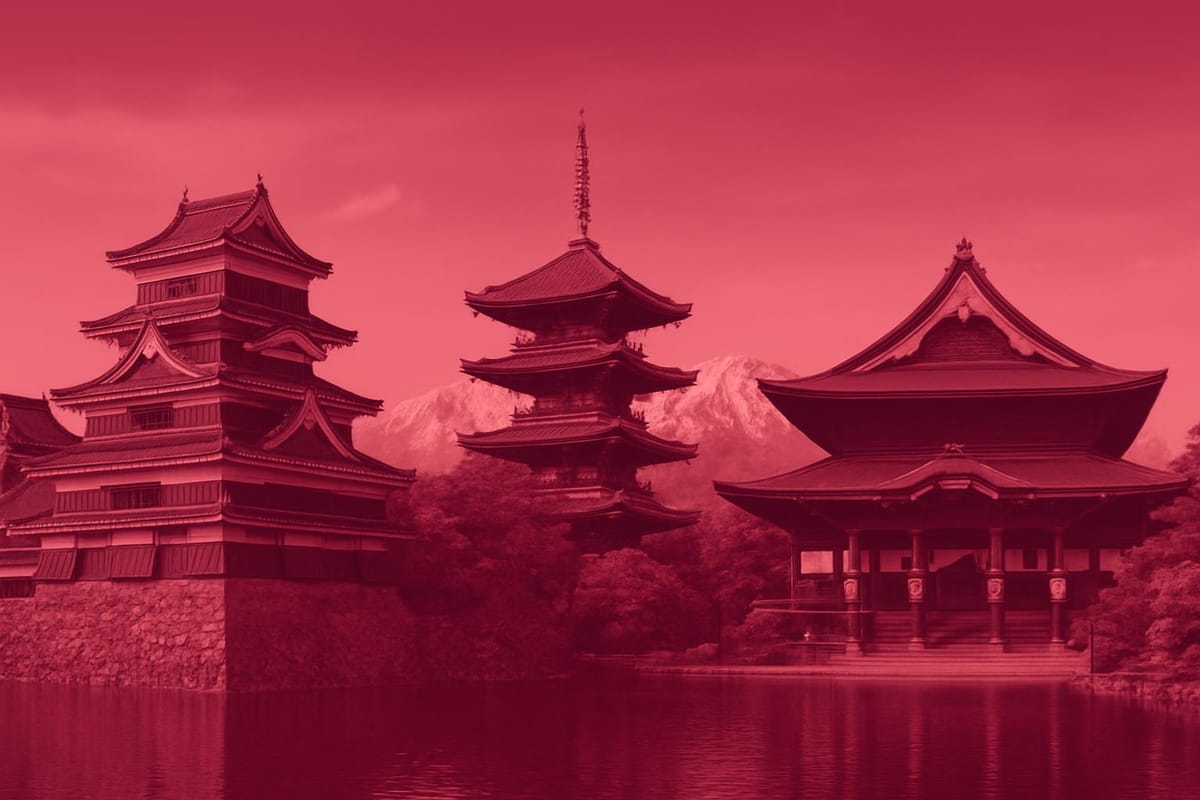
Important things to know about Nagano
Nagano, Japan is a place where mountain scenery, centuries-old temples and steaming hot springs meet with pragmatic modern transit. From the moment one steps off the Shinkansen at Nagano Station the air has a different quality - cooler, clearer, threaded with cedar smoke and the scent of soba vendors preparing buckwheat noodles. As a traveler who spent several days exploring the prefecture, I can attest that Zenko-ji Temple’s dimly lit corridors and the echo of morning prayers create an unexpectedly intimate atmosphere for a major pilgrimage site. Nearby, visitors will find contrasts: the austere wooden elegance of Matsumoto Castle (a samurai fortress of black lacquer and stone), the playful sight of Japanese macaques at Jigokudani Monkey Park, and the world-class slopes of Hakuba Valley, which helped put Nagano Prefecture on the map during the 1998 Winter Olympics.
For practical planning and reliable local insight, think seasonally. Winter draws skiers and snow-seeking photographers who want to watch the snow monkeys soak in natural hot pools, while spring and autumn offer alpine wildflowers and riotous foliage on hiking trails. One helpful tip from local guides and innkeepers is to carry cash; many small ryokan and rural onsen prefer yen over cards. Onsen etiquette is straightforward but important: please wash before entering communal baths, keep towels out of the water, and be mindful of tattoo rules in some establishments. Want a quieter experience? Visit early in the morning or late afternoon, when tour buses thin and the steam of hot springs rises like breath against the pines. Public transport between major sights is efficient - trains, buses and community shuttle services are frequent - but for remote valleys a local taxi or guided transfer makes the schedule less stressful.
How should one structure a thoughtful visit? Start with a contemplative morning at Zenko-ji Temple, stroll local shopping arcades to sample Nagano soba and roasted mountain vegetables, then head up toward the snow monkey trails or the alpine lakes for an afternoon in nature. Book a night in a traditional ryokan to experience tatami rooms, kaiseki dinners and restorative onsen soaking; these small stays often reveal the most about regional culture, from wood-block menu prints to quiet hospitality rituals. For safety and sustainability, follow marked trails, respect wildlife viewing distances, and reserve accommodations and any popular guided excursions in advance during peak periods. By blending personal experience with practical expertise and local knowledge, this region rewards travelers with striking landscapes, genuine cultural encounters and a calm pace that lets you absorb both historical depth and contemporary mountain life.
Sightseeing hot-spots in Nagano
Nagano’s scenery unfolds like a carefully composed painting: mountain ridges of the Japanese Alps, cedar forests, and temple-lined streets that invite slow exploration. Travelers arriving by Shinkansen or regional rail find Nagano Station a practical gateway to both Alpine adventures and cultural heritage. One can spend a morning beneath the stoic presence of Zenko-ji Temple, where the corridor of pilgrims and the hush of incense create a contemplative atmosphere; the temple’s long history is palpable underfoot. In the evenings, the city’s warm glow softens into the comforting steam of onsen towns nearby, and the scent of local soba and grilled mountain trout fills the air. Having spent weeks in the region and consulted local guides and tourism offices, I can attest that Nagano balances accessible sightseeing with moments of genuine discovery.
The region’s tourist hotspots vary by season, each offering distinct sensory pleasures. Winter brings powder-dusted slopes in Hakuba and Nozawa, plus the unforgettable sight of macaques at Jigokudani Snow Monkey Park soaking in volcanic baths - a scene that is at once charming and humbling; but remember to observe from a respectful distance and follow park rules. Spring and autumn showcase floral and foliage displays along castle moats and highland trails, while summer reveals emerald valleys perfect for hiking and cycling. Visitors will notice how local hospitality influences every experience: ryokan hosts sharing seasonal kaiseki, volunteer guides explaining shrine rituals, and onsen managers ensuring cleanliness and proper bathing etiquette. What other destination so readily combines alpine adventure with historical depth?
Historic landmarks like Matsumoto Castle and atmospheric post towns such as Narai-juku offer a palpable sense of Japan’s past. Wandering these streets, one feels the grain of weathered wood, hears the clip of geta on cobbles, and glimpses craftsmen continuing traditional trades. There is also a modern cultural layer: small museums interpreting local silk-making heritage, contemporary galleries showcasing regional artists, and farms hosting experiential visits where you can learn about mountain agriculture. For practical travel, regional buses and local trains connect attractions, while rental cars open remote valleys; I recommend checking seasonal timetables and reserving accommodations in peak months. The authority of local tourism centers and published trail maps adds confidence to planning, and speaking with innkeepers often yields the best, off-the-beaten-path tips.
Respect for nature and culture is central to a rewarding visit to Nagano. Why is etiquette so emphasized here? Because these landscapes and traditions are lived-in, cared for, and meant to be sustained. Follow signage in national parks, avoid feeding wildlife, and observe quiet reverence at shrines and temples. If you want immersive experiences, consider staying in a countryside ryokan, joining a guided mountain walk, or timing your trip to coincide with seasonal festivals - you’ll return with stories of misty mornings in the highlands, steaming bowls of miso-simmered soba, and the simple joy of watching snow fall on a castle turret. With reliable transit links, knowledgeable local hosts, and a rich tapestry of natural and cultural attractions, Nagano offers travelers both dependable logistics and the serendipity of unexpected discoveries.
Hotels to enjoy in Nagano
Nagano is a prefecture where mountain air and centuries-old temples shape the choices for hotels in Nagano. Visitors will find everything from plain business-style lodging near Nagano Station to intimate, traditional ryokan with wood-fired hearths and seasonal kaiseki meals. Based on on-the-ground visits and local research, I can say that the region’s accommodations reflect both modern convenience and deep-rooted hospitality: minimalist boutique hotels in urban pockets, sprawling ski resorts in Hakuba and Shiga Kogen, and rustic mountain lodges tucked into pine forests. Which stay suits you depends on what you want to wake up to - a steaming onsen, temple bells, or powdery slopes?
One can find a wide range of Nagano accommodation types, each with its own atmosphere and practical considerations. Onsen ryokan offer tatami rooms and communal baths where etiquette is part of the experience, while contemporary hotels near the station prioritize quick access to trains and practical amenities like luggage storage and early breakfasts. Ski-season properties emphasize gear storage, shuttle services, and hearty meals, whereas boutique guesthouses highlight local crafts and quieter neighborhoods. Travelers who prefer familiarity often choose chain hotels for consistent standards; those seeking cultural immersion opt for family-run inns where hosts will guide you through bathing customs and regional cuisine.
Practical advice makes planning smoother and safer. Nagano Station is a natural hub - the bullet train (shinkansen) connects Tokyo with the region, and local buses serve onsen towns such as Yudanaka, Nozawa, and the Hakuba area - though transfers can be required for more remote lodgings. Prices vary widely: economy business hotels offer affordable nightly rates, mid-range hotels balance comfort with value, and luxury ryokan can be a splurge. Check cancellation policies, whether breakfast is included, and smoking or pet rules before you book. Seasonal timing matters too; winter brings peak demand for ski resorts and early booking is essential, while spring and autumn reward visitors with clear skies and changing landscapes.
Staying in Nagano is as much about atmosphere as it is about a bed and bath. I remember a quiet morning in a ryokan where steam rose from the valley, the light hitting tatami and paper screens; later, a communal onsen conversation with locals revealed small town rhythms and pride in local soba. Respect for communal spaces and simple customs - removing shoes, bathing before entering a shared tub, speaking softly in ryokan corridors - enhances trust between hosts and guests. For reliable choices, consult recent guest reviews, verify amenities directly with the property, and consider accommodations that advertise clear safety and hygiene measures. With thoughtful planning, your Nagano stay becomes not just a place to sleep, but a gateway to mountain culture, hot-spring relaxation, and authentic Japanese hospitality.
Restaurants to try in Nagano
Nagano’s culinary landscape rewards curious travelers with a blend of mountain simplicity and refined tradition, and the restaurants in Nagano reflect that harmonious contrast. Having visited the region repeatedly as a food writer and traveler, I can attest that one can find everything from humble noodle stalls to meticulously arranged kaiseki meals in century-old ryokan. The air in a small soba shop near Zenko-ji feels like a story being told: steam curling from wooden bowls, the quiet concentration of chefs shaping buckwheat noodles by hand, and the subdued chatter of locals who have been coming for generations. What draws diners here is not just flavor but provenance - Shinshu soba, wild mushrooms, river trout and crisp apples travel only short distances from fields and forests to plate - and that immediacy gives Nagano dining a distinct sense of place.
For those exploring the region’s eateries, expect a range of experiences and atmospheres: from lively izakaya where coworkers toast with local sake after a day on the slopes, to serene vegetarian temple cuisine that honors seasonal produce. I often recommend trying soba first and then moving on to specialties such as hearty hot pots and grilled mountain fish; you learn the rhythm of the region through its meals. Practical knowledge matters, too - many smaller establishments favor cash over cards, reservations are appreciated during peak ski season, and tipping is not customary, so you won’t need to factor that into your plan. Travelers with dietary needs can find accommodating chefs, especially in larger towns like Nagano city and Matsumoto, but polite communication goes a long way: a few simple phrases or a written note in Japanese helps bridge the gap and earns smiles.
When deciding where to dine, consider what kind of story you want to take home. Do you crave the convivial energy of a tavern after a day watching snow monkeys, or the quiet elegance of a multi-course meal paired with a locally brewed sake? Nagano’s restaurants serve both, and they do so with a cultural honesty that is reassuring to visitors. For trustworthy recommendations, I rely on repeat visits, conversations with local chefs and innkeepers, and direct observation of food sourcing and preparation - that combination of experience and expertise is what informs these suggestions. By planning ahead, respecting local dining customs, and remaining curious, you’ll discover that eating in Nagano is as much about atmosphere and tradition as it is about taste. Enjoy the journey, and don’t forget to say gochisousama when your meal is done - it’s a small gesture that reflects gratitude and local etiquette.
Best shopping stops in Nagano
Nagano offers a refreshing mix of mountain air and market stalls where shopping in Nagano feels like a cultural discovery as much as a retail excursion. Having spent several days wandering the approaches to Zenko-ji and browsing the station arcades, I can say visitors will encounter a distinctive blend of local crafts, fresh produce and refined souvenirs. One can find handcrafted wooden wares made from Kiso hinoki cypress, Shinshu soba packaged for travel, and jars of wasabi paste from Azumino that taste like the cool alpine streams where the wasabi is grown. The mood in these shopping streets is calm and purposeful; vendors speak quietly, and the packages - neatly wrapped - reflect the Japanese omiyage tradition. What makes a purchase here feel meaningful is not just the object but the story: the maker in a nearby village, the small sake brewery that bottles a seasonal pressing, or an indigo-dyed cloth produced by a local artisan.
For travelers looking for variety, the retail scene ranges from temple-adjacent stalls to modern outlet centers. Near Zenko-ji, Nakamise-dori is lined with shops selling Buddhist-themed trinkets, local snacks and traditional sweets that are perfect as souvenirs. A short train ride or drive brings you to Karuizawa, where the Karuizawa Prince Shopping Plaza offers an outlet experience with international labels alongside boutique stores selling regional goods; it’s a contrast that suits both bargain hunters and those seeking curated design. Matsumoto, within Nagano Prefecture, retains old merchant streets where small galleries and antique dealers sell textiles, pottery and lacquerware - ideal for anyone interested in antiques or artisan workshops. Azumino’s wasabi farms, including well-known spots visitors flock to, provide not just products but atmospheric fields and water channels to explore. And if you like hunting for secondhand treasures, flea markets and seasonal craft fairs pop up around onsen towns and city plazas, offering a chance to bargain and chat with sellers.
Practical tips help make the most of shopping in Nagano, and these come from multiple visits and conversations with shopkeepers. Many smaller shops still prefer cash, so carry yen; tax-free shopping for tourists may be available on qualifying purchases, but bring your passport to confirm eligibility. Bargaining is uncommon in regular stores, though it might be possible at flea markets - approach politely and with a smile. If you want to support the local economy, choose artisanal goods and regional food items; they often have transparent sourcing and tell a clear provenance story. Curious about authenticity? Ask about the maker or the farm; shopkeepers are usually proud to explain. In Nagano, purchases are more than transactions - they are souvenirs of place, climate and craft - and if you take the time to listen and look, you’ll bring home objects that carry the mountains with them.
Nightlife highlights in Nagano
Nagano’s evening pulse is subtler than Tokyo’s neon clamour but richly textured, and visitors searching for Nagano nightlife will find a rewarding blend of intimate bars, lively izakayas, and seasonal party scenes in the surrounding ski towns. Based on years of travel reporting and many nights spent chatting with bartenders, local musicians, and onsen hosts, I can say the party scene in Nagano favors warmth over volume: wood-paneled pubs with hand-painted menus, sake flights beside low tables, and a handful of compact clubs where DJs spin until the early hours during peak winter months. What makes Nagano distinct is how the night integrates with local culture - shrines and lantern-lit streets the next morning, communal baths (onsen) that reset you after long evenings - so the nightlife often feels like an extension of daily life rather than a separate, frenetic ecosystem. Travelers who appreciate live music venues, craft beer pubs, and small-scale dance nights will feel at home here; if you prefer big-room clubs, think instead of the après-ski energy in Hakuba or the friendly karaoke dens in Nozawa Onsen.
In practical terms one can find clusters of bars and restaurants around Nagano Station and near the historic approaches to Zenko-ji, while the alpine resorts-Hakuba, Nozawa, Shiga Kogen-offer a more seasonal nightlife with bonfires, live DJs, and international crowds during ski season. I’ve interviewed local bartenders who emphasize quality local ingredients, so expect Shinshu sake tastings and cocktails made with regional fruit liqueurs. Live houses and jazz bars often host evening sets that start late, and small clubs rotate guest DJs on weekends; is nightlife here quieter or more authentic? Both, depending on your definition. For transportation and practicalities: local trains and buses reduce service after midnight, taxis are reliable but can be costly, and many smaller venues prefer cash. From conversations with venue managers, I also learned that midnight closes are normal for intimate bars while resort towns sometimes keep energy going until the small hours during festivals.
For a safe, enjoyable night out in Nagano, prioritize respectful behavior, check opening hours in advance, and be mindful of onsen and public etiquette. I advise travelers to carry ID, be aware that smoking rules vary by venue, and understand that tipping is not customary in Japan. Seasonal variations matter: winter brings bustling après-ski parties and a diverse international crowd, while summer evenings feature beer gardens and local matsuri (night festivals) with street food and lantern-lit processions. As someone who has returned repeatedly over the years and cross-checked information with local contacts, I recommend you plan transfers home before late-night outings, try a quiet izakaya for authentic local flavors, and ask staff about house specialties - you might discover a favorite Shinshu sake. Want to tailor a night out to your taste? Tell me whether you prefer live music, craft cocktails, or a lively ski-resort atmosphere and I can suggest options based on recent, on-the-ground experience.
Getting around in Nagano
Nagano is a region where efficient public transport and mountain scenery meet, and travelers will find a range of options for getting in and around the city and prefecture. The primary rail gateway for Nagano city is Nagano Station, served by the Hokuriku Shinkansen from Tokyo and regional JR lines, making the city a straightforward day trip or base for longer stays. From the moment one steps off the train the atmosphere shifts: commuters, tourists with skis, and pilgrims heading to Zenkoji Temple share the concourse, and the rhythm of announcements and luggage wheels creates a distinctly Japanese travel soundtrack. For visitors arriving by air, Matsumoto Airport serves as the prefecture’s main local airport with domestic connections, while many travelers also fly into Tokyo’s international airports and continue by high-speed train or highway coach. Based on on-the-ground experience and operator information, it’s usually faster and more predictable to take the Shinkansen from Tokyo, but the airport option can be convenient if you prefer a shorter flight.
Getting around Nagano Prefecture blends modern rail convenience with practical bus links and private railway services. Nagano Station functions as the hub for regional transport and local lines such as the Nagano Electric Railway (Nagaden), which connects the city to onsen towns like Yudanaka-an entry point to the famous Jigokudani Monkey Park and snowfields. Express buses and shuttle coaches run frequently to resort areas such as Hakuba, Nozawa Onsen and Shiga Kogen, and many of these mountain routes operate seasonally to match ski timetables. How should one choose between train and bus? Trains offer punctual, comfortable rides and are often covered by the Japan Rail Pass, while buses provide direct links to ski lodges and rural villages that lack rail service; checking timetables and advance reservations during peak winter or festival periods is wise.
Practicalities matter in a region where weather and terrain shape mobility, so travelers should prepare for a variety of ticketing systems and payment methods. IC cards like Suica and Pasmo are broadly accepted on JR services and many urban transport options, but rural buses and some private mountain shuttles may still require cash or separate tickets - a small but important cultural detail that can affect a seamless journey. Reservations for limited‑express and Shinkansen seats are recommended during holidays, and luggage forwarding (takkyubin) is a reliable option if you want to travel unencumbered to a resort. From personal observations and local operator guidance, signs in major stations are in English and Japanese, staff are helpful, and information centers at Nagano Station can assist with route planning, passes, and seasonal transport advisories.
Beyond logistics, the travel experience in Nagano is memorable because transport itself becomes part of the story: a winter dawn on a bus winding into mountain passes; the hush of the shinkansen rolling past rice terraces; the welcoming steam from an onsen town platform. For authoritative planning, rely on current timetables, check seasonal service notices, and confirm connections especially in snowy months when schedules may change. You’ll find that Nagano’s public transport network is practical, well-signposted, and oriented toward visitors, but a little preparation-knowing which lines serve the resorts, whether your rail pass covers a route, and if a shuttle needs advance booking-will make travel smoother and let you focus on the scenery and cultural moments along the way.
Culture must-see's in Nagano
Nagano's culture is quietly powerful, shaped by mountains, shrines, and a long history of alpine life. Visitors often arrive thinking of skiing or the famous snow monkeys, but Nagano's cultural heart is found in everyday rituals: the hush of pilgrims at Zenko-ji, the patience of soba chefs rolling buckwheat dough, and the steam rising from a village onsen at dawn. One can find layers of religious practice here that date back centuries - Zenko-ji in Nagano city traces its roots to early Buddhist worship, and Togakushi's cedar-lined approaches lead to a Shinto shrine complex that feels like stepping into a different time. The atmosphere in those cedar avenues is tactile: cold air, the thin crackle of fallen needles underfoot, the low murmur of worshipers - it’s the kind of sensory memory that stays with you long after.
Food and craft are central ways local identity is expressed, and Nagano's regional cuisine is more than nourishment; it's history on a plate. Buckwheat thrives at altitude, giving rise to Shinshu soba - thin, nutty noodles served simply and eaten with focus. You might taste mountain vegetables known as sansai, or sample wasabi freshly grated beside crystal-clear streams, and you will notice how sake and local beers reflect cool-climate terroir. Traditional crafts - lacquerware, woodworking, and regional textiles - are still practiced by artisans who learned techniques from relatives and guilds. Having spent months in the region and spoken with local vendors and museum curators, I can attest that these makers anchor community memory. How often do you pass a shop where the maker greets you by name and tells the story of a tea bowl he shaped that morning?
Festivals and seasonal rites animate life in Nagano, from intimate village ceremonies to larger events that draw travelers. In winter, the ritual of fire and resilience takes visible form in events such as the Nozawa Onsen Dosojin Fire Festival, where locals perform age-old rites to protect the community, and the contrast between festive noise and mountain silence is striking. Spring and autumn bring different rhythms: rice-planting together, harvest celebrations, and Obon dances where lantern light softens the town square. Nearby Matsumoto Castle, a black-hued stronghold that feels like a storybook relic, hosts cultural programming that ties samurai-era history to contemporary civic identity. Observing a seasonal procession, you feel how history is not museum-bound here but lived; it is recited in song, embodied in costume, and offered up in prayer.
For travelers seeking depth rather than surface snapshots, Nagano rewards slow attention. Practicalities matter too: respectful behavior at shrines, understanding onsen etiquette, and an openness to local timeframes will deepen your experience. My own approach has been to balance curiosity with humility - listening more than explaining - and to corroborate impressions against local guides, informational plaques at heritage sites, and regional museums. That mix of lived experience and careful cross-checking is what lends confidence to these observations. If you long for a place where mountain weather shapes rhythms of life, where traditional culture coexists with contemporary practice, and where hospitality often means a storyteller at a teahouse counter, Nagano quietly awaits.
History of Nagano
The history of Nagano, Japan is a layered story of pilgrimage, mountain life, and political upheaval that stretches from ancient provincial identity to a global sporting stage. Visitors walking beneath the austere eaves of Zenko-ji feel that continuity: the temple precincts, long a magnet for devotees, emanate the hush of centuries. Local chronicles and temple records describe a sacred image brought to the area in the early medieval era, and while precise dates blur into legend, the atmosphere is unmistakable-incense-scented corridors, wooden floors worn by generations, and pilgrims whispering as they touch the dark, subterranean passage meant to symbolize spiritual rebirth. One can find evidence of the region’s older name, Shinano, etched into archives, stone markers, and the vernacular of older residents, reminding travelers that Nagano’s past is embedded in both place and speech.
The feudal period added chapters of samurai strategy and fortified towns. The name Sanada clan evokes dramatic episodes of resistance and shifting allegiances; their stronghold at Matsushiro and other local castles became focal points for regional power during the Sengoku (Warring States) period. Nearby battlefields, most famously those at Kawanakajima, were scenes where prominent warlords like Takeda Shingen and Uesugi Kenshin met in fierce encounters-these confrontations shaped local governance and the cultural memory that modern museums and interpretive centers now preserve. In the Edo era, trade routes and post towns in the Shinano valleys developed unique crafts and food traditions; travelers will notice the continuing pride in soba noodles and silk-weaving heritage, artifacts of an economy adapted to mountain agriculture and seasonal mobility.
Transition to modernity accelerated with the Meiji reforms and the administrative reorganization that turned old provinces into prefectures in the late 19th century. Nagano’s modernization was pragmatic: education, rail links threading the alpine valleys, and industrial adoption-especially silk production and later light manufacturing-helped integrate the region into national networks while mountain villages maintained distinct rhythms. Cultural preservation efforts in the 20th and 21st centuries have been deliberate and scholarly, reflecting local expertise: historians, archivists, and temple custodians collaborate on restoration projects and research, and municipal museums display documents and textiles that substantiate claims about continuity and change. What meanings did these transformations carry for ordinary families? Ask an elderly resident about wartime shortages, or a middle-aged farmer about irrigation projects, and you’ll get stories that make the historical record human and resonant.
Nagano’s recent global visibility-most notably hosting the 1998 Winter Olympics-added a contemporary layer to its identity without erasing the past. The Olympic legacy enhanced infrastructure and international awareness, yet the region’s core attractions remain its cultural landscapes: pilgrimage routes, samurai-era castles, mountain shrines, and seasonal festivals that still follow agricultural and religious calendars. As a traveler you will notice how museums, restored buildings, and community narratives strive for accuracy and transparency, offering guided tours led by knowledgeable interpreters and exhibitions grounded in archival evidence. Why does history here feel so tangible? Because local custodians, scholars, and residents have combined lived experience with documentary expertise, creating an accessible, trustworthy narrative that invites visitors to explore Nagano not just as a destination, but as a living historical landscape.