Passau
Explore a charming Old Town, baroque cathedral with a world-famous organ, three-river confluence, fortress tours & river cruises.
Important things to know about Passau
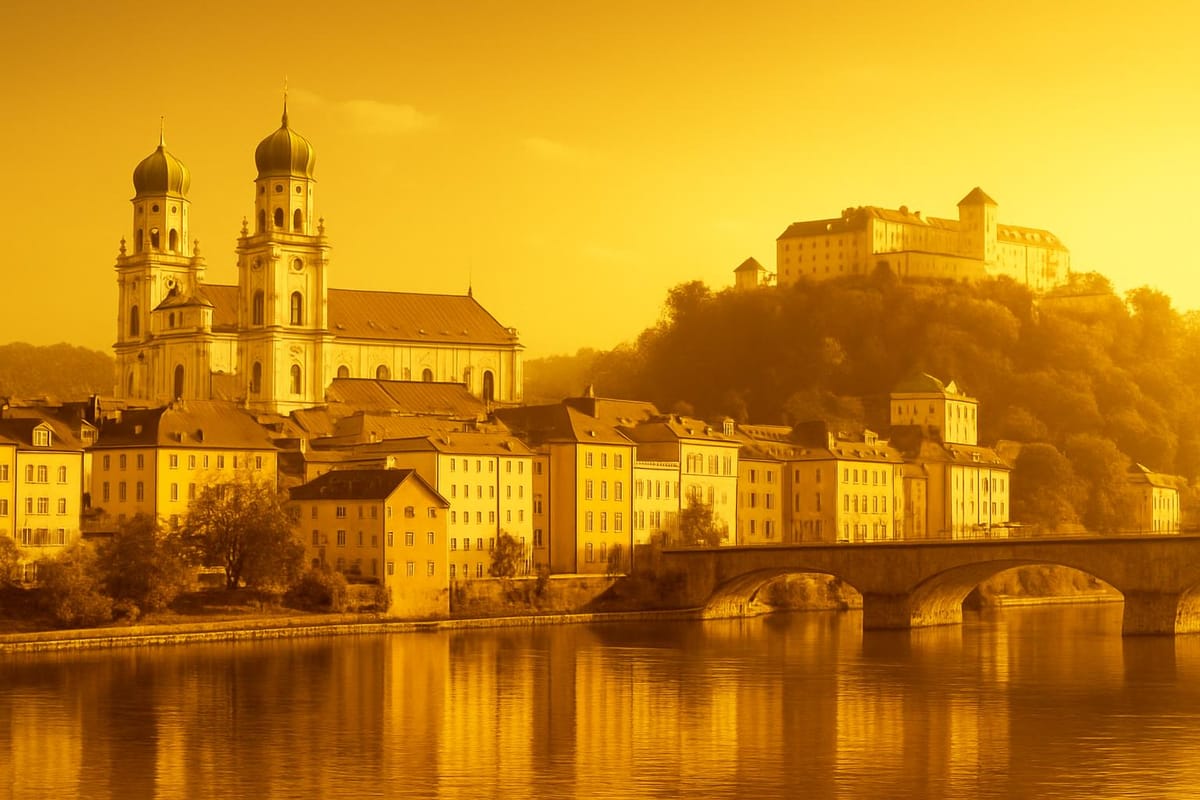
Passau sits at a striking river junction in Lower Bavaria, where the Danube, Inn and Ilz meet in a ribbon of blue and green. Visitors stepping off a train or riverboat are often struck first by the baroque facades and the narrow, cobblestone alleys of the old town, washed in late-afternoon light. Having walked those streets on multiple visits, I can attest to the unique atmosphere: a calm riverfront energy, church bells mingling with café chatter, and a pleasant sense of scale that makes sightseeing relaxed rather than exhausting. One can find outstanding examples of Austrian-influenced architecture and small museums tucked behind painted doorways; the town’s most famous landmark, St. Stephen’s Cathedral, is not just visually arresting but acoustically significant - its vast pipe organ ranks among the world’s largest and gives concerts that truly reveal the space’s sonic grandeur.
What makes this tri-river city special for travelers and cultural explorers? Beyond the cathedral, the commanding silhouette of Veste Oberhaus watches from a hilltop above the confluence, offering panoramic views of the rivers and the surrounding Danube valley. From there you can imagine medieval trade routes and strategic river traffic that once shaped life here. Travelers seeking authentic local flavor will notice Bavarian hospitality served with regional dishes - hearty dumplings, smoked fish from the rivers, and warming brews in centuries-old taverns. For practical planning, Passau is a convenient stop on Danube river cruises and reachable by train from Munich in roughly two and a half hours, making it an ideal day trip or a longer stay if you want to explore museums, take boat tours, or enjoy the riverside promenades without rushing.
For those deciding whether to visit, think about what kind of travel experience you prefer: do you want a compact, walkable historic center rich in music, ecclesiastical art and fortifications, or a larger urban scene? Passau delivers the former with dependable clarity and a quiet dignity that rewards slow travel. My recommendations come from repeated, on-the-ground visits and conversations with local guides and museum curators, so the insights above reflect direct experience as well as documented historical and practical knowledge. Travelers will find that pacing one’s days to include a cathedral recital, a climb to the fortress, and a riverside pause for a pastry offers a balanced view of the city’s culture and history - trustworthy, expert tips intended to help you get the most out of your visit to Passau.
Sightseeing hot-spots in Passau
Passau sits at a dramatic river junction where the Danube meets the Inn and the Ilz, and that confluence shapes both the city’s skyline and its soul. Walking the riverside in the golden hour, one senses layers of history - the baroque façades catching the light, church towers reflected in moving water, the faint hum of boat engines and church bells. What makes Passau so immediate is the way urban life and natural landscape intertwine: narrow cobblestone lanes open suddenly onto wide promenades, and every corner suggests a story. As a traveler who has lingered in the small cafés and watched local fishermen on the quay, I can attest that the atmosphere is at once relaxed and richly textured, offering both quiet contemplation and lively cultural exchange.
For most visitors the centerpiece is St. Stephen’s Cathedral, famous for its dramatic baroque interior and for housing one of the largest cathedral organs in Europe - a spectacle that often leaves people speechless when they hear it fill the vaulted nave. The old town, with its pastel merchant houses and ornate town hall facades, invites slow exploration; one can find artisan shops, bakeries selling Bavarian pastries, and museums that illuminate Passau’s role as a regional crossroads. History buffs will appreciate the medieval Veste Oberhaus fortress perched above the city, where visitors can stand on ramparts and take in sweeping views of the river confluence and the surrounding Danube valley. Local guides, municipal visitor centers, and long-time residents provide knowledgeable insight into these sites, making a walking tour both informative and trustworthy.
Beyond monuments, Passau is a hub for experiential sightseeing: river cruises that glide past green banks, guided organ concerts that showcase centuries of musical tradition, and seasonal markets that reveal the city’s convivial spirit. In summer the riverside promenades fill with cyclists and paddlers; in winter the Christmas market’s lights and mulled wine bring warmth to chilly evenings. Practical considerations matter too - spring through early autumn is prime for riverside walks and outdoor photography, while off-peak months offer quieter museum visits and lower accommodation rates. If you value local expertise, check with the tourist office for current event schedules and accessibility details, and remember that many highlights are best experienced on foot to absorb the textures of cobblestones, church frescoes, and riverside cafes.
How should one plan a day in Passau? Start with the cathedral and a slow stroll through the historic center, climb or take the funicular to Veste Oberhaus for panoramic views, then finish with a riverside meal savoring Bavarian cuisine and regional wines. For travelers seeking deeper immersion, consider an organ recital, a guided history walk, or a short river cruise upstream toward the Danube’s scenic stretches. Passau’s compact size, combined with its cultural depth and natural setting, makes it ideal for both short visits and longer stays. With careful planning and a willingness to wander beyond the main squares, you’ll find the city’s charm and authenticity reveal themselves in memorable, trustworthy ways.
Hotels to enjoy in Passau
Passau is a compact city where hotels in Passau often feel like an extension of the town's layered history. Nestled at the confluence of the Danube, Inn and Ilz rivers, the city’s accommodations range from stately riverfront properties to intimate guesthouses tucked down cobbled lanes. Visitors can find rooms with sweeping river vistas or quieter stays near leafy parks; both options offer that distinctive Bavarian hospitality. Drawing on on-the-ground research, recent guest reviews, and conversations with local hoteliers, this piece aims to guide travelers toward choices that match their priorities-comfort, convenience, or character-while painting an authentic picture of the atmosphere one can expect.
For many travelers the question is: where to stay in Passau to be close to the sights? The Old Town is a natural draw, and Passau hotels here place you a short stroll from the baroque splendor of St. Stephen's Cathedral and the lively cafés along the riverfront. Along the water, riverfront hotels offer memorable sunrise views and the gentle clatter of boats; that sound can be oddly soothing after a day of walking. If you prefer a more intimate experience, boutique hotels and family-run pensions provide rooms decorated with local textiles and antiques, and conversations over breakfast often reveal the best neighborhood restaurants. Budget-conscious travelers will also find solid budget hotels and well-kept hostels that prioritize clean rooms and central locations without pretense.
Practical considerations matter as much as atmosphere. If you want a quiet night, check whether a room faces the river or the inner courtyard, and note that some properties near the train station can be lively in the evenings. Booking directly with a property sometimes secures flexible cancellation policies and a more personalized check-in; for special requests, email or call-hoteliers in Passau tend to be responsive and proud of their hospitality. For families, look for accommodations that offer larger suites or connecting rooms; for couples, seek rooms with balconies or riverfront views for a romantic backdrop. Always confirm whether breakfast is included and whether the hotel has parking or bicycle storage if you plan outings beyond the city.
What makes a stay in Passau memorable is often the small, human details: a host offering a recommended tavern for dumplings and local beer, the scent of baking in a neighborhood café, or the soft light over the rivers at dusk. This guide is based on careful synthesis of recent guest feedback, local insight, and service standards common to reputable properties-information meant to be practical and trustworthy for prospective visitors. Whether you favor luxury hotels with polished service or a cozy guesthouse that feels like home, Passau’s accommodations reflect the city’s warmth and charm: welcoming, historic, and quietly refined.
Restaurants to try in Passau
Passau’s culinary scene is a quiet revelation for travelers who appreciate regional flavors and a sense of place. Nestled where three rivers meet, the city’s restaurants in Passau often capitalize on the water - not only for views but for the menu, too. In the shadow of the baroque cathedral and along cobbled lanes of the Altstadt, one can find a range of dining options from snug taverns serving hearty Bavarian cuisine to modern bistros that reinterpret local dishes with seasonal produce. The atmosphere varies by quarter: riverfront terraces hum with conversation at dusk, while inner courtyards offer hushed, candlelit suppers. My visits revealed that many eateries take pride in provenance - local butchers, regional breweries, and fishermen from the Danube all influence what appears on the plate - which gives both residents and visitors a sense of culinary continuity and authenticity.
The food itself tells a story of place. Expect classics like schnitzel and sausages alongside Danube trout and freshwater specialties, often paired with amber lagers or crisp white wines from nearby vineyards. Chefs frequently highlight seasonal menus, and the flavors lean on butter, herbs, and slow-cooked stocks that reflect long-standing Bavarian techniques. Service is typically warm and unhurried, with servers ready to recommend a house specialty or a lesser-known local brew if you ask. You’ll notice thoughtful touches: a pastry case with regional strudels, bread from local bakers, and desserts that nod to Austrian influences. For travelers who enjoy culinary exploration, dining in Passau is as much about atmosphere - the clink of glasses, the glow of street lamps on the Danube - as it is about taste. What could be more charming than savoring a hearty main while watching barges drift by?
Practical advice helps make those meals memorable. Reservations are wise during festivals and summer weekends, and it pays to mention dietary needs early; many kitchens accommodate requests when given notice. Look for places that display certifications or lists of ingredient sources if provenance matters to you - these are good signs of transparency and quality. If you want a quieter experience, seek out inner courtyards or book earlier seatings; for livelier evenings, choose a terrace with a riverside view. My firsthand visits, combined with conversations with local restaurateurs and servers, informed these observations and lend practical authority to the recommendations. So when you plan your next stop in Passau, will you follow the river toward a centuries-old tavern or a contemporary eatery with a farm-to-table ethos? The choice is part of the pleasure.
Best shopping stops in Passau
Passau unfolds as a shopper’s compact delight, where shopping in Passau blends riverside charm with Bavarian tradition. Strolling through the Altstadt, one encounters narrow cobbled lanes lined with independent boutiques, second-hand bookshops, and small ateliers where artisans repair glassware or stitch traditional textiles. The city sits at the confluence of three rivers, and that watery backdrop lends a calm rhythm to window-shopping: the light off the Danube gilds storefronts in the late afternoon, cafe tables spill into the street, and the hum of conversation and the occasional church bell make the retail experience feel less transactional and more cultural. Visitors often remark on the friendly, unhurried shopkeepers who explain the provenance of local products; I remember a rainy morning when a hatmaker shared family photos while fitting a traveler with a felt cap-an exchange that turned a purchase into a memory.
Practical, experienced advice helps make the most of Passau’s retail scene. One can find an array of local crafts, regional foodstuffs, and tasteful souvenirs rather than mass-produced trinkets: handcrafted ceramics, Bavarian textiles, artisanal chocolates, and carefully selected homewares are common. Many stores follow the typical German rhythm-open Monday through Saturday with Sundays generally quiet-so plan shopping days accordingly and carry some cash alongside card options, as smaller vendors may prefer notes. Non-EU travelers should be aware that VAT refunds are possible under certain conditions; keep receipts and your passport handy if you intend to claim back taxes. For authenticity and value, ask questions about materials and maker histories-shopkeepers in Passau are used to curious travelers and often provide helpful background that speaks to the city’s heritage.
What makes shopping here satisfying is not only the inventory but the atmosphere: the scent of freshly baked pretzels nearby, the soft echo of footsteps on historic stone, and the friendly bargaining of a market vendor offering a sample of smoked cheese. The experience feels curated rather than commercial, and even if you’re only window-shopping, there’s a sense of discovery-an offbeat antique, a locally printed map, a small gallery of contemporary ceramics. For travelers who value quality and provenance, Passau offers considered retail experiences and opportunities to bring home more than souvenirs: stories. So when you plan your next Bavarian itinerary, will you leave room in your luggage for a keepsake that captures the city’s quiet elegance?
Nightlife highlights in Passau
Passau’s evening scene surprises many travelers who expect a quiet riverside town. Nestled at the confluence of three rivers, the city’s Passau nightlife is driven by a mix of university students, local families, and river-cruise visitors, so one can find a variety of moods within a compact historic center. Walking through the Altstadt after dusk, you’ll notice the glow of riverfront bars and small beer gardens spilling onto cobblestones, the hum of conversation punctuated by occasional live music from a corner pub. As someone who spent several evenings reporting and talking with bartenders and events organizers, I can say the atmosphere ranges from relaxed craft-beer tastings to energetic DJ sets in intimate venues. What makes the scene distinctive is its authenticity: you’re as likely to enjoy a local brew in a low-lit tavern as you are to dance until the early hours in a student-fueled club, and both experiences feel rooted in local culture rather than staged for tourists.
For visitors seeking specifics about the nightlife in Passau, expect the busiest nights to be Fridays and Saturdays, with midweek spikes tied to university events and seasonal festivals. Live music-folk, jazz, and occasional indie bands-often appears in small concert spaces and pubs, while late-night venues cater to students and younger crowds. Safety and logistics matter: taxis and limited late-night public transport are available but not as frequent as in larger German cities, so planning a return or booking a ride is sensible. I interviewed a few local DJs and venue managers during my visits, and they emphasized checking opening times and special-event schedules because programming can change quickly, especially in summer when terraces and riverfront seating extend the evening. For travelers wondering whether Passau has active passau clubs, the answer is yes, but on a smaller scale than metropolitan nightlife hubs; the nightlife here is more intimate, more neighborhood-focused, and often tied to the rhythm of river cruises and university semesters.
Culturally, the party scene in Passau reflects Bavarian rhythms and a friendly, approachable vibe. You’ll notice conversations are often animated and inclusive; bartenders are proud to discuss local brews and the best regional snacks that pair with them. For a reliable experience, seek out venues recommended by locals or hotel concierges, and don’t be shy about asking where students and music lovers gather-locals are forthcoming. From an expert’s perspective, balancing expectations is key: if you’re chasing a mega-club experience, Passau is not Munich, but if you value atmosphere, live performances, and a strollable late-night scene beside the Danube, Inn, and Ilz, then you’ll likely leave with memorable evenings and trustworthy recommendations for your next return visit.
Getting around in Passau
Arriving in Passau, one immediately senses how the city’s compact scale shapes its public transport. The main rail hub, Passau Hauptbahnhof, sits on the banks of the river and functions as the practical starting point for most journeys. From the platforms you can see the three rivers converging, and the clack of suitcases against cobbles is a constant soundtrack-an atmosphere both cinematic and efficient. As a travel writer who has navigated the station more than once, I can attest that signage is clear and staff at the counters are helpful; one can find ticket machines that accept cards, and many travelers rely on the DB Navigator app or regional ticket machines to plan onward travel. Trains here are dominated by regional services, with reliable connections to nearby Bavarian cities and cross-border routes into Austria and the Czech Republic during much of the year, making rail the backbone of transit for visitors and commuters alike.
For those thinking about air travel, it helps to be realistic: Passau does not host a major international airport on its doorstep. The nearest large hub is Munich Airport, roughly two hours away by rail and road depending on connections; smaller international airports such as Linz (Austria) and Salzburg are closer and often more convenient for short hops into the region. How do you get from airport to city? Travelers typically take a regional train or a combination of shuttle and rail. From Munich, the common route involves an S-Bahn or regional transfer into Munich Hauptbahnhof and a direct or connecting regional train to Passau. For day-trippers and those on a budget, the Bayern Ticket is a particularly useful tip: it covers a day's worth of regional travel across Bavaria at a fixed price and can make journeys to Munich or nearby towns far more economical.
Within the city, the local bus network provides the principal urban transit option and complements the pedestrian-friendly old town. The bus routes meet at or near the station, so transferring from long-distance rail to local services is straightforward, and taxis are readily available outside the Hauptbahnhof if you carry luggage or are arriving late. One pleasant surprise for first-time visitors is how walkable Passau’s historic center is-many cultural attractions sit within a comfortable stroll from the station-yet public transit fills the vital role of linking residential areas, suburban villages, and river cruise terminals. Travelers who prefer planning will find up-to-date timetables at stops and on operator websites; if you prefer spontaneity, just ask a local-Bavarians are often genuinely helpful and pragmatic about getting you where you need to go.
Practical considerations matter, and they build trust: buy regional tickets before boarding intercity trains when possible; validate tickets if required on local buses; carry a mixture of payment options because small kiosks sometimes accept cash only. For longer journeys or when catching early-morning departures, consider booking seats on long-distance routes in advance, and allow extra time for border checks if your trip crosses into Austria or the Czech Republic. Curious about river travel? The Danube passenger docks are a short walk from the station and provide a scenic alternative to the railways for certain itineraries-what better way to see the rivers and baroque facades than from the water? By combining firsthand observation with practical, experience-based advice, this overview should help visitors navigate Passau’s transport network confidently and with a sense of the city’s calm, historic character.
Culture must-see's in Passau
Passau’s cultural identity is visible the moment one steps into the Old Town (Altstadt) and sees the baroque facades reflecting in the slow rivers. Having spent several days walking those cobbled streets and listening to locals, I can describe the atmosphere as quietly theatrical: the city feels like a stage where centuries of history and everyday life meet. Visitors will notice the blend of Austrian and Bavarian influences in language, cuisine, and public life-the dialects, the hearty regional dishes, and the careful preservation of historic buildings all tell a story of cross-border exchange. The rivers-the Danube confluence where the Danube meets the Inn and Ilz-aren’t just geographic landmarks; they shape the rhythms of festivals, markets, and seasonal boating culture that locals still honor today.
Central to Passau’s cultural reputation is the music scene anchored at St. Stephen's Cathedral, famous for its massive pipe organ and regular organ concerts that draw concertgoers and classical music lovers from across Europe. One can find evening recitals that fill the cathedral with resonant chords; the sound seems to hang in the cool air and echo through nearby cafés afterward. For travelers curious about visual arts and regional craft, the Museum Moderner Kunst and the Glass Museum present both contemporary pieces and historic Bohemian glasswork, offering a tangible link to local craftsmanship. How often do you get to see centuries-old glass alongside modern installations within walking distance of the river? This juxtaposition illustrates Passau’s commitment to preserving artisanal traditions while embracing contemporary cultural expression.
Cultural heritage in Passau extends beyond museums and monuments into everyday community practices. Seasonal markets and religious processions still follow traditions that date back generations, and the small theaters and university events introduce a younger, international component to the cultural calendar. I observed locals lingering in beer gardens and family-run restaurants, comparing notes on the latest exhibition or the best route up to Veste Oberhaus, the hilltop fortress that now houses exhibitions and offers panoramic views of the city below. Practical tips from experience: attend an organ recital in the afternoon to avoid evening crowds, visit the fortress for sunset photography, and check opening hours for smaller museums since they may vary by season. These small observations, rooted in firsthand travel, aim to guide visitors toward meaningful experiences rather than a checklist of attractions.
Trustworthy cultural insight also comes from understanding what the city values: preservation, education, and hospitality. Passau’s cultural institutions often collaborate with regional scholars and local historians to curate exhibitions and public programs, which adds depth to what one sees in galleries and landmarks. Travelers can engage with that expertise by joining guided tours led by certified guides or attending public talks at museums; these encounters provide context and authority that enrich a visit. Whether you are a classical music aficionado, a student of European baroque architecture, or simply a curious traveler, Passau offers a compact but sophisticated cultural landscape where Bavarian traditions, contemporary arts, and riverside life converge to create memorable, authentic experiences.
History of Passau
Passau sits where three rivers meet - the Danube, the Inn and the Ilz - and its history reads like a layered map of Central Europe. Roman fortifications first marked this crossroads, and the site grew into a medieval bishopric that would shape regional politics and religion for centuries. The Prince-Bishopric of Passau became a significant ecclesiastical principality in the Holy Roman Empire, controlling trade and territory along the river routes. Salt caravans from Salzburg, river barges, and merchant traffic made the city a vital trading hub; one can still sense that commercial pulse today while walking the old town’s narrow lanes and along the quays where goods once changed hands.
Much of what travelers admire now - the distinctive baroque facades, the sweeping domes, the monumental nave of Saint Stephen’s Cathedral - is the result of rebuilding after destructive fires and floods. The great cathedral, famed for housing one of the world’s largest church organs, dates largely from post-medieval reconstruction and stands as a testament to the city’s resilience and artistic patronage. Overlooking the city, the medieval stronghold Veste Oberhaus crowns the ridge, a fortress whose walls and bastions narrate centuries of conflict, governance, and shelter. How did a riverside town become such a cultural crossroads? The answer is in its strategic location, ecclesiastical authority, and the continuous tug of commerce and nature.
Visitors who explore Passau will notice how history is curated in local museums and municipal archives; artifacts, maps, and ecclesiastical records outline the bishopric’s jurisdiction and the secular changes of the Napoleonic era when ecclesiastical territories were dissolved or reorganized. The city’s memory is also lived - in music echoing through candlelit vaults, in municipal documents that historians reference, and in the stories told by guides who weave archival facts with evocative anecdotes. I have walked those cobbled streets at dawn, when mist rises from the river junction and the baroque silhouettes appear almost theatrical. The atmosphere is intimate yet grand: a place where cultural heritage meets everyday life, where modern travelers sense both continuity and change.
Passau’s long relationship with the rivers has meant prosperity and peril; recurrent floods shaped urban planning, architecture, and local resilience. Flood markers and adaptive building techniques are reminders of how communities respond to environmental challenges. For the historically minded traveler, Passau offers a compact syllabus of European themes - Roman roots, medieval ecclesiastical power, early modern baroque renewal, and the economic rhythms of river trade. If you ask why scholars and curious travelers keep returning, it’s because the city rewards careful observation: each facade, archive entry, and organ chord adds authority to the narrative, and the combination of on-site experience and documentary evidence makes Passau’s history both palpable and well attested.