Pompeii
Explore well-preserved ancient ruins, Roman frescoes, mosaics and forums near Mount Vesuvius-immersive archaeological tours revealing Roman life.
Important things to know about Pompeii
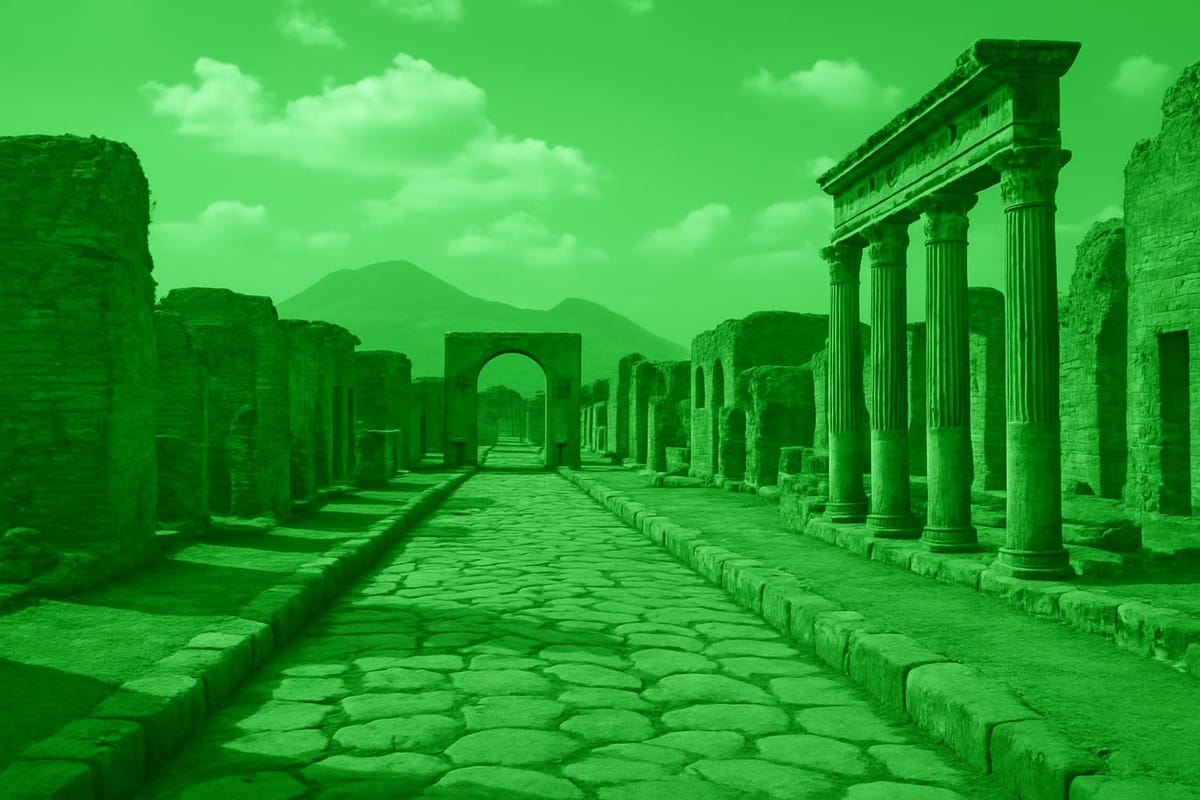
Walking through Pompeii is like stepping into a paused chapter of Roman life; the air seems heavy with stories. Visitors enter an archaeological site where streets, shops, and villas survive in surprising detail: faded yet vivid Roman frescoes, elaborate mosaics, and the hollow silhouettes created by plaster casts of people caught in the eruption. Having visited Pompeii myself and spent time with local guides and conservationists, I can attest that the atmosphere blends eerie stillness with lively interpretation-tour groups whisper by the Forum while birds probe the ruins for shelter. What does it feel like to stand where senators debated, merchants hawked olive oil, and children chased each other along the ancient streets? The uneven stones, the heat radiating from sunlit courtyards, and the way Mount Vesuvius dominates the skyline all combine into a tangible connection to the past that few archaeological parks can match.
Travelers should approach the site with both curiosity and respect because Pompeii is not merely a tourist attraction but a fragile record of human history. The city, buried by a catastrophic volcanic eruption commonly dated to AD 79 (the month remains debated among scholars), has been the subject of systematic excavations since the 18th century and remains an active field for archaeologists. Preservation efforts are ongoing: restorers use modern techniques to stabilize frescoes, while researchers study stratigraphy and artifacts to refine our understanding of urban life in Roman Campania. One can find practical advantages in planning-arrive early to avoid crowds, wear sturdy footwear to navigate cobbled lanes, and consider a guided tour or audio guide to fully interpret the ruins and the amphitheater, bakeries, and bathhouses that reveal daily routines. These recommendations come from both site staff guidance and on-the-ground experience, reflecting a commitment to authoritative and trustworthy advice.
Beyond the logistics, Pompeii offers cultural observations that linger. Local vendors around the park sell maps and refreshments, reminding visitors that this is a living community shaped by archaeological tourism and regional pride. Conversations with archaeologists highlighted challenges like erosion, rainfall damage, and the ethical complexities of displaying human remains-issues that inform conservation policy and visitor behavior. For travelers seeking more than a photo, spend time pausing in quieter corners, tracing mosaic patterns with your eyes, and imagining conversations once held in shadowed atriums. If you plan a day trip from Naples or a longer cultural itinerary across Campania, Pompeii rewards thoughtful engagement: it educates, humbles, and invites reflection on resilience and loss-qualities that make it an essential stop for anyone interested in history, art, and the human story.
Sightseeing hot-spots in Pompeii
Walking through Pompeii is like stepping into a time capsule where silence tells a story louder than any guidebook. This ancient Roman city, preserved beneath volcanic ash since the eruption of Mount Vesuvius in 79 AD, is part museum, part open-air classroom and entirely immersive. Visitors approach broad streets flanked by weathered columns, and one can find details that still astonish: crisp fresco colors surviving centuries, intricate mosaics underfoot, and plaster casts that outline the last gestures of residents frozen in time. As an experienced travel writer who has visited the site multiple times and studied its excavation history, I can attest that the atmosphere alternates between solemn reverence and vivid curiosity; the site rewards both quiet reflection and active inquiry.
The Pompeii Archaeological Park contains many hotspots that draw travelers from around the world. The Forum remains the civic heart of the ruined city, while the House of the Faun offers a glimpse at aristocratic life through giant mosaics and expansive atria. Nearby, the Villa of the Mysteries presents one of the most famous and enigmatic series of frescoes in Roman art, and the amphitheatre shows how public spectacle shaped social life. Plaster casts of victims, excavated remains of bakeries with millstones, and preserved shop fronts illustrate daily routines with a clarity that textbooks rarely achieve. What does it feel like to walk where Romans once bartered, prayed, and dined? For many travelers the answer is unexpectedly intimate and emotional-this is archaeology brought to life, with every excavation trench and conservation project adding layers to our understanding.
Practical considerations help make a visit both respectful and rewarding. Tickets are best purchased in advance during high season, and many visitors choose a guided tour or an audio guide to unpack historical context and archaeological terms. The site is extensive and often hot in summer, so comfortable shoes, a hat, and water are essential; there are long stretches with uneven paving and limited shade. One can reach Pompeii easily from Naples or Sorrento via regional rail or organized day trips, though arriving early yields quieter streets and softer light for photography. Conservation efforts continue, and visitors are encouraged to follow signage and guidelines to protect fragile frescoes and surfaces-this is living heritage, managed by experts and local authorities dedicated to preservation.
Beyond the monuments and practicalities, Pompeii offers a chance to reflect on human stories, sudden loss, and cultural resilience. Wander past bakeries that once fed a thriving population, stand atop the steps of an amphitheatre and imagine cheering crowds, then glance toward the looming silhouette of Vesuvius, a reminder of nature’s power and the passage of time. Nearby sites such as Herculaneum and the summit paths of Mount Vesuvius extend the narrative for those who want a broader perspective. Whether you are a history enthusiast, an art lover, or a curious traveler asking questions about everyday life in antiquity, Pompeii delivers layered insights with scholarly rigor and palpable emotion. Plan ahead, go with an inquisitive mind, and you’ll leave with a deeper appreciation for both Roman civilization and the ongoing work of archaeologists who keep this extraordinary site accessible to all.
Hotels to enjoy in Pompeii
Pompeii is more than an archaeological destination; it is a living town with a surprising variety of hotels in Pompeii that suit different budgets and travel styles. Travelers will find everything from small family-run guesthouses and charming bed-and-breakfasts to mid-range hotels and a handful of boutique properties that emphasize comfort and local character. During my visits I noticed that many accommodations blend modern amenities with classic Italian touches: terracotta floors, shutters that open onto lemon-scented courtyards, and breakfasts featuring strong espresso and locally baked pastries. For visitors aiming to explore the excavations early in the morning, staying within walking distance of the entrance or the main train station can be a major convenience.
If you are searching for hotels near the archaeological site, consider what matters most: proximity, parking, or quiet nights after a day among ruins. Many Pompeii hotels advertise a short walk to the Scavi entrance, but keep in mind that peak season can bring crowds and higher rates, so booking early is often the wisest approach. For those arriving by public transport, the Circumvesuviana line connects Pompeii to Naples and Sorrento in roughly 30–40 minutes, making the town an excellent base for day trips to the Amalfi Coast or Mount Vesuvius. Would you prefer to stay in a calmer residential area? Nearby towns offer villas and agriturismo options that combine countryside tranquility with easy access to the site.
Practical considerations reveal the experience of staying here. Many establishments provide luggage storage, early breakfasts, and helpful local maps - all useful if you plan a dawn visit to avoid midday heat and crowds. Language is rarely a barrier; staff at reputable properties often speak English and can arrange guided tours or transportation. For authoritative planning, rely on multiple sources: direct hotel policies for cancellations, guest reviews for atmosphere and cleanliness, and official tourism sites for current opening times of the ruins. Trustworthy lodging will disclose fees, include clear contact details, and offer receipts - small signs of professionalism that matter when you book.
Culturally, spending a night in Pompeii connects you to the story of preservation and daily Roman life frozen in time. Walking back to your hotel as the evening light softens the plaster facades, you might hear the distant clip of church bells or the hum of conversation at a trattoria. That atmosphere is part of the stay: it’s why Pompeii hotels are more than places to sleep - they are starting points for immersive exploration. Whether you choose a budget inn, a boutique hideaway, or a comfortable mid-range hotel, selecting accommodation with clear reviews, good cancellation terms, and convenient access to transport will help ensure a satisfying visit to Pompeii, Italy.
Restaurants to try in Pompeii
Pompeii’s dining scene quietly complements the extraordinary experience of walking among ancient ruins. Scattered restaurants in Pompeii range from casual pizzerias to intimate osterie and family-run trattorie, many clustered within easy reach of the archaeological park. Visitors will notice a pleasant mix of tourists and locals in the narrow streets, the scent of wood-fired ovens mingling with fresh basil and sea air. One can find menus that celebrate local cuisine-simple pizzas, seafood pasta, and dishes built around seasonal produce and buffalo mozzarella-served in settings that vary from sun-drenched terraces to shadowed interior rooms with tiled floors. What separates memorable eateries here is less flashy presentation than provenance and hospitality: cooks who learned recipes from their grandparents, waitstaff who describe the catch of the day, and kitchens that prioritize fresh, regional ingredients.
Practical knowledge matters when choosing where to eat, and guidance from local chefs and culinary writers helps travelers separate the authentic from the over-commercialized. Expect to read recommendations for family-run trattoria and small pizzerias that still use a wood-fired oven and local olive oil. Savoring a plate of spaghetti alle vongole or tasting a mozzarella di bufala that melts on the tongue is not just about flavor; it’s a cultural exchange. If you’re curious, ask about the producer of the cheese or the fishermen who supplied the seafood-these conversations reveal the gastronomy and food heritage of Campania. For trustworthiness, look for places with clear menus, visible kitchens or certifications posted, and consistent local patronage; these are often reliable signs of quality and hygiene. Food critics and guides frequently highlight establishments near the main entrances of the site and in nearby pedestrian streets, but excellent surprises can be found off the beaten path if one is willing to explore.
Planning when and how to dine will improve your experience. Lunchtime after a morning at the ruins is popular-arrive early or reserve if you can, and be prepared for mixed payment options; many smaller eateries prefer cash though cards are increasingly accepted. Travelers should also be mindful of seasonal hours and local holidays when restaurants may close for riposo. For those seeking authenticity, trust local recommendations, sample daily specials, and embrace the leisurely pace that defines dining in southern Italy. How will you choose to pair your archaeological day with the flavors of Pompeii? Whether you’re after a classic pizza Margherita or a seafood plate highlighting the Bay of Naples, the restaurants in Pompeii offer a tangible connection to regional tradition and memorable meals grounded in place and history.
Best shopping stops in Pompeii
Walking down the sun-warmed streets of modern Pompeii, visitors encounter a compact but lively shopping scene that complements the ancient ruins. Near the archaeological entrance and along the town's main thoroughfares one can find a mix of souvenir shops, artisan workshops, and small boutiques selling everything from Roman-style replicas to locally made ceramics. The air often carries the scent of espresso and pasticceria while vendors display colorful postcards, miniature amphorae, and handcrafted jewelry inspired by fresco motifs. For travelers seeking authentic Campania flavors, look for tins of extra virgin olive oil, jars of regional preserves, and bottles of limoncello-products that reflect local agriculture as surely as the archaeological finds reflect the past. What stands out is the contrast between mass-produced trinkets targeted at tourists and the quieter craft studios where you can watch a potter paint a ceramic tile or see a mosaic restored, offering a richer souvenir grounded in craft and history.
From an expert’s perspective, navigating shopping in Pompeii benefits from a few practical habits learned over repeat visits. Ask questions about provenance and production methods; genuine artisan pieces will often come with a story about the maker or the workshop, and prices for hand-painted ceramics or bespoke jewelry typically reflect that labor. Cash remains useful at market stalls and smaller shops, while credit cards are widely accepted in established stores-always confirm payment options before you commit. If you are after antiques or archaeological replicas, be cautious: legally traded antiquities have strict documentation, and reputable dealers will willingly show provenance or certificates. Want to avoid disappointment? Visit earlier in the day when artisans are at work and shopkeepers are more flexible, and consider spending €5–€60 for well-made souvenirs rather than paying a premium for glossy tourist items. These are grounded recommendations based on on-the-ground observations and conversations with local craftspersons, ensuring trustworthy guidance for planning purchases.
Beyond practical tips, the sensory experience of shopping here can feel like a small narrative in itself: a brisk conversation with a ceramicist about glaze techniques, the clink of glass as a bottle of limoncello is wrapped carefully, the quiet pride of a jeweler showing a necklace modeled on a Roman pendant. Travelers often remark that a single small purchase-a hand-painted tile or a contemplative postcard-can anchor memories of the ruins more effectively than any photograph. When shopping in Pompeii, be mindful of cultural respect; avoid buying questionable archaeological fragments and favor items that support local makers and sustainable practices. By combining curiosity with informed choices, you’ll return home with meaningful keepsakes that reflect both the tangible crafts and the living culture of Campania.
Nightlife highlights in Pompeii
Pompeii’s nightlife is quieter and more intimate than the club scenes of Naples or the Amalfi Coast, but that’s part of the appeal. Nightlife in Pompeii centers on narrow streets and small piazzas where travelers and locals gather for an evening aperitivo, a plate of local antipasti, or a glass of Campanian wine. Based on my own visits and conversations with tour guides and bartenders, one can find cozy wine bars and informal pubs clustered near the modern town center, while seasonal open-air concerts and cultural events occasionally animate historic settings after dark. The atmosphere is often low-key and convivial: you’ll hear Neapolitan songs drifting from a piano bar, the clink of glasses, and snippets of conversation in Italian and other languages. How does this feel different from bigger cities? It’s more about lingering, discovering a tucked-away enoteca, and letting the night unfold slowly.
For travelers seeking livelier options or a true dance floor, the best approach is to combine an evening in Pompeii with short transfers to neighboring hubs like Naples or Sorrento, where late-night clubs and beach parties thrive. Within Pompeii itself, one can find cocktail bars, craft-beer pubs, and restaurants offering live music on weekends; the party scene here leans toward live music, singer-songwriters, and DJ nights rather than large-scale nightlife complexes. Practical experience suggests checking local event calendars for night tours of the archaeological park or summer festivals that occasionally stage performances near the ruins-these special events offer a rare blend of ancient backdrop and contemporary entertainment. Reservations are wise for popular spots, and visitors should expect cover charges or corkage fees at some venues when live bands play.
Trustworthy travel planning means blending curiosity with common sense. If you’re wondering when to go, late spring through early autumn brings the most consistent evening programming and street life, while off-season evenings are quieter and more reflective. Rely on local sources-hotel concierges, official tourist offices, and licensed guides-for up-to-date information on concerts, safety, and transport; I regularly cross-check event listings and ask bartenders for honest tips when I’m there. Nighttime safety in Pompeii is comparable to other small Italian towns: stick to lit streets, use licensed taxis for late returns, and carry some cash because smaller bars may prefer it. Above all, respect the local rhythms-enjoy an aperitivo, sample a regional wine, and savor the genuine warmth of the people who make Pompeii’s evening scene quietly memorable.
Getting around in Pompeii
Arriving in Pompeii by public transport is straightforward for most travelers, and knowing the right routes makes all the difference between a smooth visit and a hurried scramble. The nearest major airport is Naples International Airport (Capodichino), where frequent shuttle services and the Alibus connect directly to Naples Centrale. From there one can catch regional and high-speed trains run by Trenitalia to the greater Bay of Naples, or change to the local Circumvesuviana commuter rail for the last short hop to Pompeii. Visitors who prefer flying into smaller regional airports may also find Salerno useful, but expect an extra transfer by bus or train. From the moment you step off a plane the atmosphere shifts: the air carries a warm Mediterranean tang, announcements are in Italian and English, and fellow travelers-families, archaeology enthusiasts, and day-trippers-form a steady flow toward platforms and ticket counters.
Once on the ground, the two rail stations that matter are distinct and serve different needs. The Pompei Scavi–Villa dei Misteri stop on the Circumvesuviana line sits almost at the archaeological park’s main entrance; it’s ideal for visitors prioritizing convenience and quick access to the ruins. The national rail Pompei (Porta Marina) station on the Naples–Salerno line is slightly farther away-about a 15–20 minute walk-and can be a better choice if you arrive on a Trenitalia regional or InterCity service. Trains on the Circumvesuviana are frequent but crowded during high season; they offer a true local commuting experience with standing room, vendors, and the occasional accordionist. Ever felt the small thrill of arriving somewhere by local train, with the town unfolding as the carriage doors open? That’s part of Pompeii’s charm: everyday life rubbing shoulders with two millennia of history.
Buses and coaches also play an important role in the local transport network. SITA and regional bus lines connect Pompeii with Sorrento, the Amalfi Coast, and Herculaneum-useful options if you’re combining a coastal itinerary. Taxis and private transfers are convenient for groups, late arrivals, or if you’re carrying large luggage, but they are costlier than trains and scheduled shuttles. Practical experience suggests buying tickets in advance for high-speed Trenitalia services and carrying small change for local machines; validate your ticket in the blue machines before boarding regional trains and Circumvesuviana services to avoid fines. Travelers should also be aware of pickpockets at busy stations and platforms-keep valuables close and be mindful of bags, especially when the trains are packed.
Knowing a few local details improves both efficiency and enjoyment. Timetables can change seasonally, so consult current schedules and operator websites or ask at station ticket offices if you need official confirmation. The sensory memories are vivid: the clang of the station bell, vendors selling cold drinks, the smell of espresso drifting from a nearby café, and the sudden, almost cinematic view of the ruined Forum as you step out near the gates. What will you remember? For many, it’s not just the ruins but the ease of arriving by train and the small human moments-an elderly Neapolitan gesturing directions, a family comparing maps, the relief of finding a shaded bench after a long journey. With a little planning, public transport to Pompeii is efficient, economical, and part of the experience-bringing you directly into the heart of one of Italy’s most evocative archaeological landscapes.
Culture must-see's in Pompeii
Pompeii is more than a ruin; it is a cultural time capsule where ancient Roman life is visible in the grain of stone and the color of preserved frescoes. Buried by Mount Vesuvius in 79 CE, the city’s sudden entombment created an unparalleled record of urban life in Campania. Visitors moving through the streets of the archaeological park encounter markets, villas, temples and public baths that together narrate family life, commerce and religion. The air in early morning can feel hushed and reverent, as if the city itself is waiting to tell its stories; at midday, sunlight slants into porticoes and throws the mosaics into sharp relief, making the past seem immediate. Pompeii’s culture is not only in monuments but in the continuity of place-local traditions in the modern town, Neapolitan cuisine nearby, and the scholarship that interprets what one sees.
Walk the Via dell’Abbondanza and you will see details that reveal everyday habits: counters of thermopolia where hot snacks were sold, painted announcements on walls, the erotic frescoes of private rooms, and plaster casts that preserve the final poses of victims. These artifacts are tactile evidence of social practice-family structure, leisure, labor and religious ritual. How did people queue for baths, bargain in the forum, or perform in the amphitheater? The layout of houses and the content of wall paintings provide answers. Frescoes and mosaics show mythic scenes alongside practical motifs, while graffiti-often witty or blunt-gives voice to ordinary citizens. For travelers and scholars alike the result is an immersive lesson in Roman urban culture, rich in texture and nuance rather than stereotype.
Understanding Pompeii responsibly requires attention to archaeological method and conservation. Excavations began in the 18th century and were systematized in the 19th century; Giuseppe Fiorelli’s methods and the later technique of making plaster casts of voids left by decomposed bodies transformed interpretation and public understanding. Today conservators, archaeologists and museum curators collaborate to balance access with preservation, employing modern materials science, documentation and controlled excavations. Peer-reviewed studies, museum catalogues and site reports inform the narratives presented to visitors, ensuring that interpretations rest on evidence. Trustworthy cultural interpretation also means acknowledging damage from past digs, tourism pressures and environmental risks, and communicating ongoing conservation needs honestly.
When you stand in the shadow of a peristyle garden or pause before a painted myth, consider both the lives that unfolded here and the modern efforts that keep those impressions intact. Travelers benefit from a slower pace: listen to the guides who cite primary research, read the labels in the on-site museum, and allow time for quiet observation. Pompeii raises questions about memory and loss-what do we preserve, and why?-and it invites reflection on cultural continuity in the Bay of Naples. In appreciating Pompeii’s culture one discovers not only antiquity frozen in ash but a living field of study and public heritage that continues to teach, challenge and inspire.
History of Pompeii
Walking through Pompeii is like entering a paused chapter of Roman life: sunlit courtyards, frescoed walls, and the echo of footsteps on worn, volcanic stone. The city, buried under the pyroclastic flows of Mount Vesuvius in AD 79, offers a remarkably detailed portrait of urban routine, from bakeries with ovens still blackened by fire to elegant villas decorated with mosaics. Contemporary travelers and scholars alike draw on the vivid eyewitness letters of Pliny the Younger, who described the eruption, and on the material record revealed by centuries of excavation. For visitors who wonder why Pompeii fascinates the world, the answer lies in the intimate traces of daily life preserved by the ash-furnishings, graffiti, tools-that transform dry history into a human story you can almost touch.
The site's archaeological biography is as layered as its stratigraphy. Systematic rediscovery began in the mid-18th century under Bourbon patronage, and later methodological advances, notably by Giuseppe Fiorelli in the 19th century, reshaped how one excavates and interprets the buried city. Fiorelli introduced an organized numbering system for houses and the plaster casting technique that remains emblematic: by filling voids left by decomposed bodies with plaster, archaeologists produced haunting three-dimensional casts of victims’ final poses. Excavation practices have continued to evolve-today teams use ground-penetrating radar, drone photogrammetry, and digital mapping to read the urban fabric without undue damage. Each stratigraphic layer, each repaired mosaic, and each conservation report contributes to a robust body of expertise about Roman urbanism, commerce, religion, and domestic life.
What makes Pompeii authoritative as both an archaeological monument and an educational resource is the convergence of textual testimony, scientific analysis, and long-term conservation. Declared a UNESCO World Heritage site, Pompeii (together with neighboring Herculaneum and other Vesuvian sites) is the subject of ongoing restoration programs and international research collaborations. But preservation is a constant challenge: exposure to weather, the pressure of millions of visitors, and earlier interventions have necessitated modern conservation strategies and preventive archaeology. How does one preserve a city that was preserved by disaster? The interventions are multidisciplinary-materials science to stabilize fresco pigments, structural engineering to secure crumbling walls, and archaeological ethics to prioritize context over sensational display-so that interpretations remain reliable and transparent for future generations.
For the traveler today, Pompeii is both a classroom and a place of reflection. Walking from the forum to the amphitheater, one senses a mixture of scholarly curiosity and solemnity; the city invites questions about vulnerability, resilience, and the rhythms of ancient life. You will find signs of commercial exchange, religious ritual, and entertainment framed by the same streets that once bore carts and chatter. Museums in Naples and on-site conservation displays complement the ruins with artifacts and research findings, helping visitors connect what they see to broader narratives of the Roman world. Interpretations continue to evolve as new analyses emerge, so whether you are a first-time visitor or a returning scholar, Pompeii remains a living archive-testimony to a moment frozen by nature and revealed through the accumulated expertise of centuries of study.