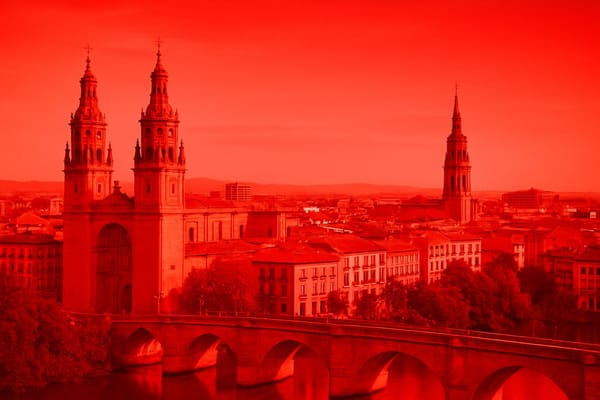
Valladolid
Discover a Renaissance historic center, grand cathedral, lively tapas bars, top museums and Ribera del Duero wines along a scenic riverside.

Important things to know about Valladolid
Valladolid, Spain is a provincial capital in the heart of Castile and León where Renaissance stone meets lively modern life. As a travel writer who has spent several weeks exploring the city on foot, I can attest that visitors will notice a compact historic center threaded with wide avenues and shaded plazas. One can find soaring religious architecture, austere palaces and intimate taverns within a short walk of each other. The air often carries the smell of roasting meat and fresh bread from the bakeries, while locals sit at café terraces watching the flow of daily life. The atmosphere is both measured and convivial; it is easy to imagine the slow cadence of a Spanish afternoon here, punctuated by the echo of footsteps on cobblestones and the occasional bell toll from the cathedral.
The cultural offerings are substantial for a city of its size. Travelers interested in art and history should not miss the Museo Nacional de Escultura, which houses carved polychrome masterpieces, and the historic Plaza Mayor, a living square where markets and festivals animate public life. Literary pilgrims will want to see the Casa de Cervantes, since Valladolid has ties to Spain’s literary past, and food lovers will savor the local cuisine-roast lamb and tapas paired with Ribera del Duero wines from nearby vineyards. How does one choose between a quiet museum afternoon and an evening of tapas hopping? Practical knowledge helps: the city is well connected by direct high-speed trains to Madrid and has a reliable local bus network, so day trips and onward journeys are straightforward. From personal experience, walking between the cathedral, the Campo Grande park and the museum district reveals the most authentic rhythms of life in Valladolid.
For planning and safety, visitors should note seasonal variations: spring and early autumn bring pleasant temperatures and lively street life, while summer can be hot and quieter midday because locals seek shade. Trustworthy tips-book tickets for major museums during high season, reserve dinner if you want a top table at a popular restaurant, and carry a light jacket for evenings near the river Pisuerga-come from repeated stays and conversations with local guides and tourism staff. If you want authenticity, seek neighborhood taverns where families gather and ask about the week's market produce; you will learn more about regional produce and winemaking than from any brochure. Ultimately, Valladolid offers a balanced blend of historical gravitas and everyday warmth, making it a rewarding destination for curious travelers who appreciate culture, cuisine and calm urban charm.
Sightseeing hot-spots in Valladolid
Valladolid, Spain unfolds like a compact chapter of Castile and León waiting to be read slowly, one cobbled street at a time. As someone who has returned several times to walk the old quarter in different seasons, I can attest that the city’s atmosphere shifts subtly from the crisp mornings of spring to the golden light of autumn. The sense of history is palpable: church bells echo off stone façades, cafés spill onto shaded plazas, and the scent of roast lechazo - a local lamb specialty - drifts from taverns. For travelers interested in sightseeing in Valladolid, the experience is not only about ticking off famous sites but about savoring the rhythm of daily life: locals arguing softly over football, vendors arranging fresh produce, and the sudden hush that falls during the renowned Semana Santa processions. Why rush when the city rewards slow exploration?
Among the must-see tourist hotspots are several landmarks that define Valladolid’s cultural identity. The broad, elegant expanse of Plaza Mayor is a living room for the city, its arcades lined with terraces where one can watch the parade of residents and visitors alike. Close by stands the Museo Nacional de Escultura, housed in historic college buildings, whose carved altarpieces and polychrome sculptures are considered among Spain’s most important collections; visiting here gives context to Spain’s religious art and its role in cultural heritage. The Cathedral of Valladolid and the modest Casa de Cervantes, where the author once lived, add literary and architectural depth to a walking route that feels layered with stories. Crossings over the Pisuerga River provide peaceful riverside promenades and a different perspective on the city’s skyline, while the leafy Campo Grande park - home to birds and the occasional peacock - offers a green pause from museum-hopping.
Beyond monuments, Valladolid’s texture is best appreciated through sensory encounters and local rhythms. The tapas culture is alive and unpretentious: small plates paired with regional wines from Ribera del Duero or Tierra de Campos make an evening out more like a culinary conversation than a meal. Markets and neighborhood bars reveal the everyday flavors and produce that shape Castilian cuisine. Cultural calendars are generous too; Semana Santa draws visitors for its solemn, precise processions, but smaller festivals and open-air concerts pepper the year, offering chances to mingle with residents. If you enjoy day trips, nearby vineyards and medieval towns provide excellent excursions; many travelers choose to combine sightseeing in Valladolid with wine tasting and countryside walks. Practical tip from experience: aim for early mornings to capture quiet squares and late afternoons for the warm light, and bring comfortable shoes - the historic center’s paving rewards slow feet, not hurried steps.
For reliable planning, think like a careful traveler and verify key details before you go. Opening hours for museums and official events can change with seasons and holidays, so checking official museum notices or local tourism information helps avoid disappointment. Public transit and trains connect Valladolid efficiently to Madrid and León, making it a convenient base for exploring Castile and León, yet most of the central attractions are eminently walkable. Safety is typical of medium-sized Spanish cities; remain aware of belongings in crowded spots and consult local sources for any short-term advisories. My repeated visits have taught me that the city’s true appeal lies in its balance of significant historic landmarks, approachable cultural institutions, and a lived-in, authentic pace. Whether you come for the art, the gastronomy, or the quiet charm of riverside strolls, Valladolid rewards curiosity with layers of history and the simple pleasures of Spanish urban life.
Hotels to enjoy in Valladolid
Valladolid is a compact, walkable city where hotels in Valladolid range from modest guesthouses to elegant, restored townhouses. Having visited several times and stayed in both family-run inns and contemporary city-center properties, I can say visitors will notice a particular charm: stone facades catch the morning light, church bells mark the hour, and tapas bars hum into the evening. One can find accommodation a short stroll from the Plaza Mayor and the cathedral, which makes exploring the National Sculpture Museum or the leafy Campo Grande effortless. For travelers who value history, boutique hotels often occupy converted palaces or convents, offering thick walls, high ceilings, and a sense of place that larger chain properties rarely capture.
Practical concerns matter. Business travelers and families alike look for reliable amenities - free Wi-Fi, good breakfast, air conditioning in summer, and parking if you’re driving into Castilla y León. Prices vary; budget options and hostels serve backpackers and students, while upscale rooms with terrace views or spa facilities appeal to couples seeking a quiet retreat. If you’re planning a visit during Semana Santa or a popular wine-harvest weekend in the nearby Ribera del Duero, book early. My firsthand experience shows that a central location near the river or the train station can save time, but peripheral neighborhoods can offer calmer streets and better value. Why choose one over the other? It depends on whether you prioritize nightlife and museums or peace and parking.
Trustworthy planning comes from cross-checking sources and reading recent guest reviews, plus consulting the official tourist office for seasonal events. As an experienced travel writer who has spent multiple stays in Valladolid, I recommend asking about breakfast times and any restaurant closures on holidays - small details can affect your daily itinerary. Many hotels offer local recommendations, and a concierge’s tip about a lesser-known tapas bar or a weekend market can transform an ordinary morning into a memorable discovery. Look for properties that highlight their cancellation policy and hygiene standards; these transparent practices are signs of reliable accommodation.
Ultimately, the best Valladolid hotels match your travel style. Do you want to wake to cathedral bells and step outside to a centuries-old plaza, or would you prefer a modern, efficient base for day trips into the Castilian plains and nearby wineries? Travelers who value atmosphere will enjoy the characterful, historic lodgings, while those on tight schedules might opt for a business-class hotel by the station. In all cases, one can find comfortable, well-located lodging that complements the city’s quiet cultural rhythm - and if you take time to walk at dusk, you’ll understand why staying here feels more like joining a local story than simply checking into a room.
Restaurants to try in Valladolid
Valladolid's dining scene quietly marries centuries-old Castilian tradition with contemporary culinary sensibilities, and visitors will find a surprising diversity among its restaurants. Walking from the Plaza Mayor toward the river, one can pass narrow streets lined with taverns, modern gastro bars, and family-run asadores where wood-fired ovens shape the menu. The emphasis is on robust, seasonal ingredients: locally raised lamb lends its flavor to the classic lechazo asado (suckling lamb), cured meats and artisanal cheeses appear on starters, and regional vegetables feature in simple, sustaining stews. As someone who has spent weeks researching and dining across Castilla y León, I noticed that atmosphere matters here-the light through stone windows, the hush of conversation over shared plates, and the small rituals of service that reflect a strong culinary identity. Why does this matter to you? Because knowing what to expect-slow-roasted meat, honest portions, wine-first thinking-helps you choose a restaurant that matches your appetite and travel rhythm.
Beyond tradition, Valladolid offers refined dining for those interested in contemporary gastronomy and wine pairings. Many restaurants combine classical techniques with modern presentation, and a growing number have earned regional recognition and culinary awards. Expect thoughtful wine lists dominated by Ribera del Duero reds and crisp Rueda whites, often recommended by staff who understand local terroir; asking for a pairing can transform a simple meal into a showcase of regional flavors. I recommend sampling a few small plates at a tapas bar to compare textures and seasoning before committing to a heavier main course-this is the local way of discovering variety. Practical tips born of experience: reserve ahead for dinner on weekends, look for the midday menú del día for value, and be prepared for a relaxed pace-meals here are meant to be savored, not rushed.
Trustworthy choices come from blending research with on-the-ground signals: menus that list ingredient origins, hosts who explain dishes with confidence, and kitchens that visibly prioritize freshness. Travelers should not be shy about asking for recommendations; good staff will happily point out specialties or the day's best catch. Cultural etiquette is straightforward-polite greetings, modest tips, and a willingness to linger-yet these gestures enhance the experience. Whether you seek rustic comfort at a centuries-old eatery or a polished multi-course tasting, Valladolid's restaurants offer both familiarity and discovery, grounded in regional produce and a deep respect for flavor. For a genuine taste of Castilian gastronomy, explore with curiosity and a sense of taste-your palate will likely reward you with memorable dishes and authentic local hospitality.
Best shopping stops in Valladolid
Valladolid offers a surprisingly rich scene for shopping in Valladolid, blending traditional market culture with contemporary boutiques and a handful of modern malls. From the imposing stone of the Plaza Mayor to the narrower lanes around Calle Santiago, visitors will find a mix of leather shops, artisan pottery, and independent fashion labels that reflect the broader character of Castile and León. As a travel writer who has spent time living and researching the region, I can attest that the atmosphere changes by hour: mornings brim with the chatter of stallholders and the aroma of fresh bread, while late afternoons are quieter, ideal for lingering in a boutique or examining handcrafted ceramics. Would you expect to discover a leather atelier tucked behind a centuries-old façade? In Valladolid, that curiosity often pays off with authentic souvenirs and well-made garments far from mass-market chains.
Markets and food shopping are equally rewarding for travelers seeking local flavor. The city’s food markets and small delis brim with gourmet foods, aged cheeses, smoked hams, and bottles of local wines - perfect for culinary souvenirs or a picnic on the Pisuerga riverbank. Weekend flea markets and antique fairs offer a different kind of treasure hunt: second-hand books, vintage homewares, and folk art appear alongside more conventional handicrafts. Practical advice borne of experience: many independent shops still observe an afternoon pause, cash can be handy at smaller stalls, and non‑EU visitors can often arrange VAT refunds for larger purchases (always ask for the correct paperwork at the point of sale). These small details make shopping not just transactional but a cultural exchange, where conversation with a shopkeeper can reveal local production techniques or the provenance of a handcrafted item.
For travelers who want a more structured retail experience, the Vallsur shopping center and several contemporary stores near the University provide familiar comforts - international brands, climate-controlled browsing, and predictable opening hours. Yet the most memorable purchases typically come from smaller emporiums and artisan workshops where one can watch an object being crafted and learn a story behind it; that blend of expertise and provenance is what separates a keepsake from a souvenir. To shop responsibly and confidently, check return policies, keep receipts, and try a few Spanish phrases; trust grows quickly when you show respect for local customs. Whether you are searching for high-quality leather, ceramics, antiques, or gourmet treats, Valladolid’s retail tapestry rewards travelers who take the time to explore with curiosity and a bit of patience.
Nightlife highlights in Valladolid
Valladolid’s evening life reveals itself gradually: a glass of Ribera del Duero in a sunlit plaza turns into a circuit of bars where tapas culture is both culinary ritual and social choreography. As a travel writer who has spent multiple stays researching Spain’s regional cities, I’ve watched locals and visitors alike drift from one bar to the next, sampling small plates and lively conversation rather than settling for one seat for the whole night. The nightlife in Valladolid leans toward convivial, small-scale gatherings-wine bars, intimate cocktail spots, and late-night taverns-punctuated by pockets of live music and occasional DJ nights. One can find jazz sets in tucked-away venues and indie acts in local cultural centers; during festival weeks, such as the film festival in October, the city’s after-hours rhythm intensifies and the streets feel more like an open-air club. What struck me was how approachable the scene feels: bartenders chat about local vintages, students join older regulars, and the pace is less about clubbing till dawn and more about savoring good company and good food.
For travelers seeking the party scene in Valladolid, timing and place make a difference. Most bars pick up after 10 pm, with dinner often beginning late and the real socializing starting even later-expect bar-hopping to extend past midnight. If you want live bands or a dance floor, aim for weekends and check local event listings in advance because special concerts and themed nights can change the usual flow. Safety is generally good in central neighborhoods, but common-sense precautions apply: keep an eye on belongings, arrange taxis or know the late-night bus schedules, and respect residential areas where noise can upset neighbors. You’ll notice that prices are reasonable compared with bigger Spanish cities, and tipping is modest-leaving small change or rounding up is common. As someone who’s walked these streets at midnight, I can say the atmosphere balances relaxed provincial charm with just enough urban energy to keep the night interesting.
What makes Valladolid’s evening offerings authoritative as a travel recommendation is experience combined with local knowledge: talking to bartenders about sherry and regional wines, observing the student-driven energy from the Universidad de Valladolid, and attending a couple of live shows at small venues gives a well-rounded picture of the city after dark. Travelers curious about the late-night culture should try a slow, exploratory approach-sample a few bars, ask where the locals go, and remain flexible about plans. Curious about whether this suits your style? If you prefer polished mega-clubs, Valladolid might feel intimate; if you appreciate authentic, community-oriented nights with good wine, the Valladolid party scene is likely to feel rewarding and genuine. For the most reliable experience, verify current opening hours and event schedules before you go, and enjoy the mix of culinary pleasure and cultural warmth that defines the city’s nighttime identity.
Getting around in Valladolid
Valladolid’s transport fabric is compact but efficient, and for travelers wanting to navigate Spain’s Castilla y León heartland it often feels reassuringly straightforward. Valladolid Airport (VLL) sits a short drive northwest of the city in Villanubla and handles a mix of domestic connections and seasonal international flights. Upon arrival one will find a small terminal, clear signage and a row of taxi ranks and shuttle options; boarding a taxi or scheduled airport bus is usually the fastest way into the center. From my visits I remember the calm airport atmosphere-more provincial than frantic-so collecting luggage and moving on to a bus or taxi rarely takes long. If you prefer rail, the airport-to-city transfer is commonly arranged through coach services or pre-booked transfers that link to the main rail hub.
The railway experience in Valladolid centers on Valladolid-Campo Grande station, a tidy, sunlit transport node where regional, commuter and high-speed services converge. Trains here connect the city to Madrid, León and other parts of northern Spain; the high-speed AVE makes Valladolid an easy day-trip from the capital. The station’s ticket offices and automated kiosks accept cards and many operators support mobile reservations, making last-minute planning flexible. Walking through the station, one senses the steady rhythm of regional life: commuters with newspapers, students with backpacks, families waiting for the next scheduled service. Staff are generally helpful and platforms are well-signposted, though knowing a few Spanish phrases can smooth interactions when timetables shift.
For urban mobility, AUVASA buses form the backbone of the city’s public transit network, complemented by long-distance coach companies such as ALSA for intercity travel. City buses cover the principal neighborhoods and cultural sights, running at regular intervals during the day and thinning out late at night. Ticketing is simple; you can buy single fares aboard or use multi-ride passes for longer stays, and many travelers value the predictability of the city network when planning museum visits or tapas stops. Cycling is increasingly visible too-Valladolid has invested in dedicated lanes, and you’ll often see locals commuting by bike, adding a pleasant human scale to the streetscape. Have you ever paused to watch a bus glide past the stone facades near the cathedral at dusk? That everyday scene helps explain why many visitors appreciate Valladolid’s relaxed transit tempo.
Safety, accessibility and traveler convenience are important considerations and local services generally score well on all three. Stations and the airport provide accessible routes for people with mobility needs, and customer service points can advise on specific requirements. As in any European city, keep an eye on your belongings in crowded spaces, but also expect courteous staff and clear rules about luggage on trains. For accurate schedules and fare options, purchasing through official operator websites or station kiosks ensures you’re using current timetables and legitimate tickets-this is especially helpful for AVE reservations or seasonal flight changes. Whether you’re connecting through the airport, catching the high-speed train, or simply hopping on a city bus, Valladolid’s public transport offers a reliable, human-paced way to explore a city that balances historical charm with practical mobility.
Culture must-see's in Valladolid
Valladolid wears its history lightly and its traditions prominently, so culture in Valladolid feels intimate rather than staged. As the capital of Castilla y León, the city presents a layered cultural palette: wide baroque plazas, the austere silhouette of the cathedral, narrow lanes that reveal Renaissance palaces and small museums. On my first walking tour the light on the stone façades at dusk struck me as if illuminating different centuries at once. Visitors will notice that public life here oscillates between calm daytime routines and evenings filled with conversation over wine. The Plaza Mayor anchors the city socially and visually, and one can spend an entire afternoon watching neighbors, tourists, and students converge in this civic heart.
Religious and artistic traditions remain central to the local calendar. The solemnity of Semana Santa is a defining experience - processions move through the streets with a hushed intensity that lingers long after the last paso has passed - while the international film festival, Seminci, gives the city an annual cinematic pulse, drawing critics, filmmakers, and curious travelers each October. What stays with you after such events is often more sensory than factual: the scent of candle wax and incense mingling with street food, the hush before a screening, the murmur of appreciation. For practical planning, be aware that accommodation and timetables change around major festivals; booking early and checking local schedules will save time and disappointment.
Museums and literary corners tell Valladolid’s quieter stories. The Museo Nacional de Escultura houses one of Spain’s most significant collections of religious sculpture, carved with an intimate realism that makes saints and sinners feel unexpectedly immediate. Casa-Museo de Cervantes and the home of José Zorrilla recall a time when Valladolid was a political and cultural axis-writers, clerics, and courtiers once debated here. Food is culture too: trying lechazo (roast lamb), sampling tapas in a busy taberna, and tasting wines from Ribera del Duero or the nearby Toro region provide essential context for the city’s social rituals. I recommend letting a local server guide your choices; menus change with the seasons and conversations at the bar often reveal the best, off-menu specialties.
Contemporary creativity sits beside tradition: galleries, small theater companies, and experimental eateries reflect a city that adapts while respecting its roots. Travelers who stroll through the leafy Campo Grande park or along the riverside will find moments of quiet and casual encounters with residents feeding birds or practicing guitars. Respectful engagement-observing silence during processions, asking permission before photographing people in private devotion-earns warmer interactions. This account is informed by repeated visits, conversations with museum curators and restaurateurs, and on-the-ground observations, provided here to give a trustworthy and expert perspective on Valladolid culture. Whether you come for history, gastronomy, film, or simply the feel of a Spanish city that still centers community life, Valladolid rewards those who slow down and listen.
History of Valladolid
Valladolid sits in the heart of Castile and León, a city whose stone façades and broad plazas quietly narrate centuries of Spanish history. Walking its streets, one senses layers of time: Roman roads beneath medieval lanes, Renaissance palaces beside austere Baroque churches. The city’s importance rises from more than architecture; it was a political and cultural fulcrum. Valladolid briefly became the seat of the Spanish monarchy in the early modern era, hosting the royal court and the administrative machinery of what was then an expanding empire. Visitors often remark on the contrast between the almost provincial calm today and the weight of decisions once taken within these walls-decisions that shaped Spain’s global role.
For students of history and travelers with a curiosity for cultural heritage, several facts anchor Valladolid in the broader chronicle of Spain. Christopher Columbus died here in 1506, and the city later became a focal point during the Spanish Golden Age. The University of Valladolid, tracing its origins to the 13th century, nurtured scholars who contributed to law, theology, and letters. One can still feel the scholarly atmosphere in the cloistered courtyards and venerable libraries. The Museo Nacional de Escultura, housed in the Colegio de San Gregorio, preserves an extraordinary collection of religious sculpture-work by masters who shaped devotional art across Castile. These institutions, along with municipal archives, provide primary and secondary material that historians and informed travelers rely on when piecing together Valladolid’s past.
The lived experience of the city is as instructive as any textbook. In spring, Semana Santa processions transform the streets into a moving tableau of carved penitents and candlelight, showcasing the sculptural and devotional traditions that the museum protects. Tapas bars hum with conversation about football and folklore; older residents remember market days and artisan workshops that once supplied the courts. Architecture tells its own stories: the remains of Juan de Herrera’s unfinished cathedral hint at ambitious Renaissance plans, while the Plaza Mayor-one of Spain’s earliest purpose-built main squares-illustrates how urban design reflected civic and commercial needs. What does it feel like to stand where kings and diplomats once debated policy? The air seems different, as if history itself has a particular texture here-dry, deliberate, and resonant.
I write from a combination of on-the-ground visits and careful study of scholarly sources, aiming to give travelers an authoritative, trustworthy portrait of the city’s past and present. If you are planning a visit, approach Valladolid as both a museum and a living community: pay attention to small details-the carved wooden figures on a church façade, the worn stones in a palace entryway, the quiet pride of local guides recounting legends. That dual perspective-experienced observation plus documented history-helps reveal why Valladolid matters in Spain’s national story. Whether you are a casual visitor or a serious student of Spanish history, this inland capital offers a layered, authentic glimpse into medieval roots, Renaissance ambition, and the cultural life that continues to define Castile today.